Leader Blades — logoLeader Blades
All Products

Plastic Crusher Knives and Blades

Replacement knives and blades for rigid plastic, bottles, pipes, and general crusher lines.

PET bottle crushing linesRigid plastic size reductionPP/PE/PVC scrap recyclingInjection runner and profile regrind

Research-led category guidance

Plastic Crusher Knives and Blades buying and troubleshooting guide

This category page is built around machine-maker guidance from Rapid, ZERMA, and Conair. Their documentation consistently points to four practical buying signals: matched rotor/fixed-knife geometry, stable knife gap, clean mounting surfaces, and crusher configuration that fits the actual feed stream.

What buyers should confirm before ordering crusher knives

  • Machine type and chamber style: beside-the-press, soundproofed central granulator, heavy crusher, or pipe/profile machine
  • Feed type: PET bottles, rigid PE/PP, runners and sprues, sheet, pipe, profile, or mixed scrap
  • Whether the current problem is excess fines, heat, short life, unstable cut, or chamber damage
  • Rotor knife, fixed knife, and bed support dimensions, including hole pattern and step geometry
  • Whether fixed knives are being replaced together with the rotary set
  • Screen condition and target particle size if the downstream process is sensitive to regrind quality
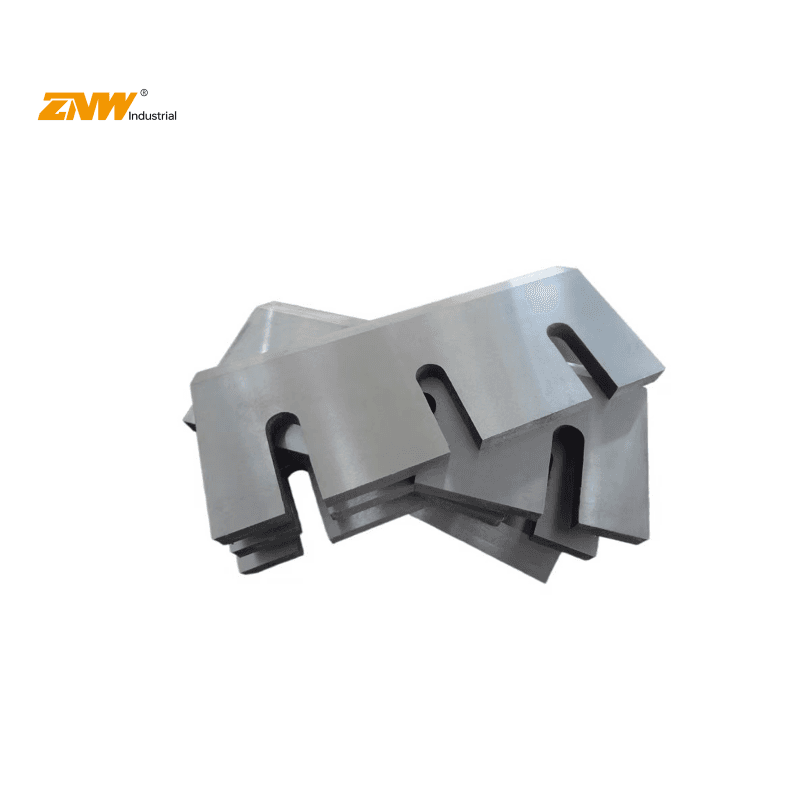
Plastic Crusher Profile Blade — Plastic Crusher Knives and Blades — D2 / HSS / 9CrSi / H13 | Leader Blades
PCB-001

Plastic Crusher Profile Blade

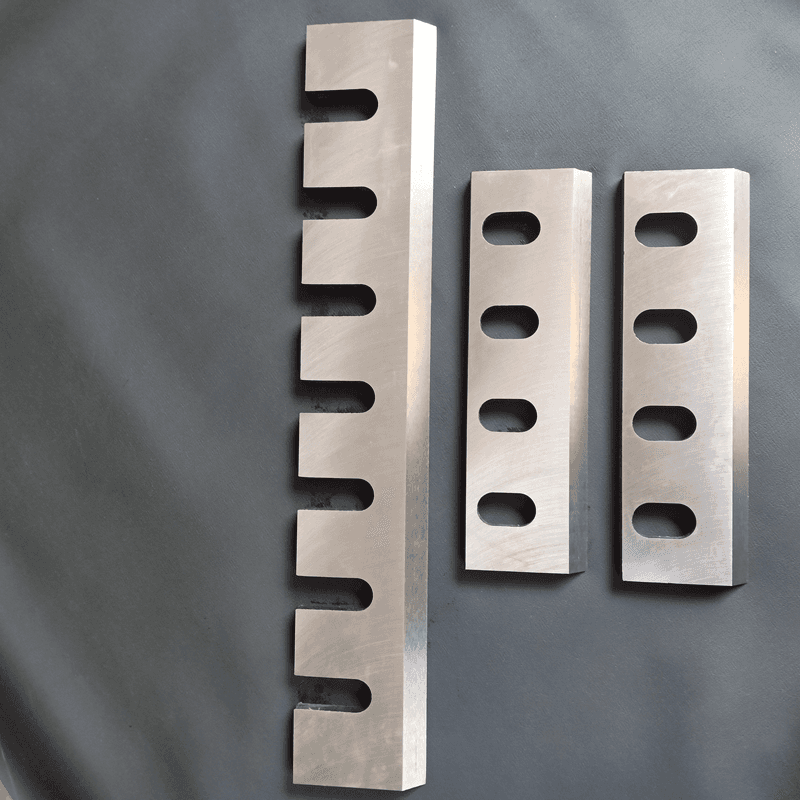
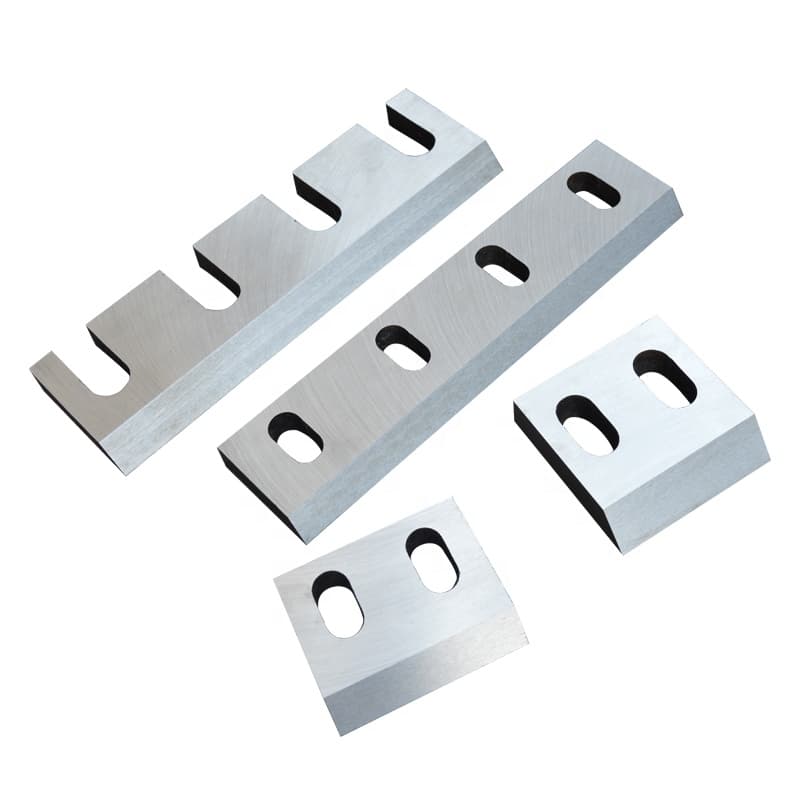
Plastic Crusher Profile Blade is built for pet bottle crushing lines and rigid plastic size reduction. Available in D2 / HSS / 9CrSi / H13 for wear resistance, stable knife clearance, and repeatable sharpening. The profiled body suits fixed or rotary stations where alignment and edge exposure matter.

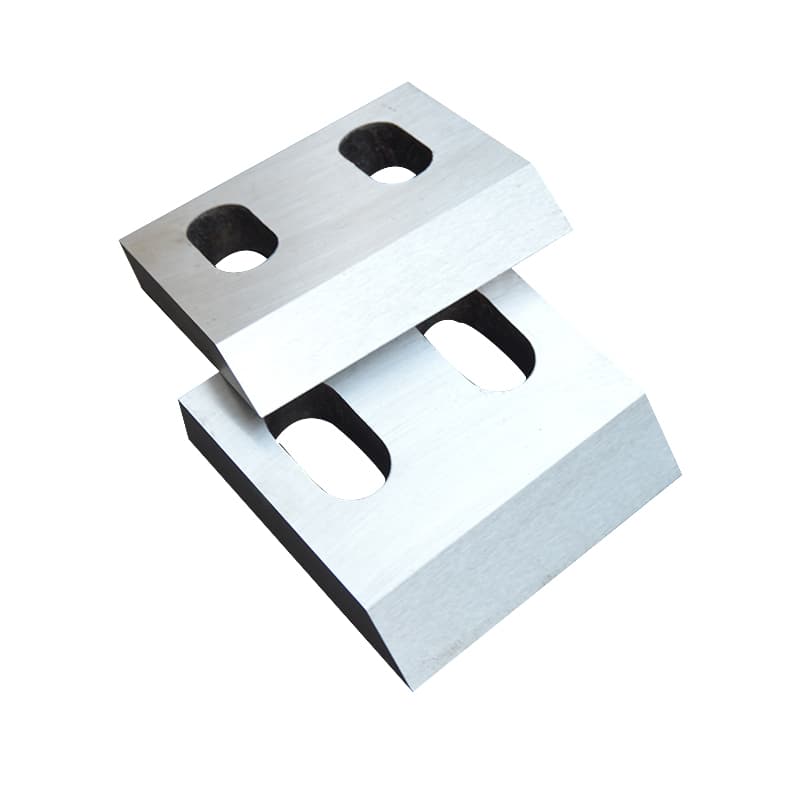
Plastic Crusher Plate Knife — Plastic Crusher Knives and Blades — SKD11 / 9CrSi | Leader Blades
PCB-002

Plastic Crusher Plate Knife

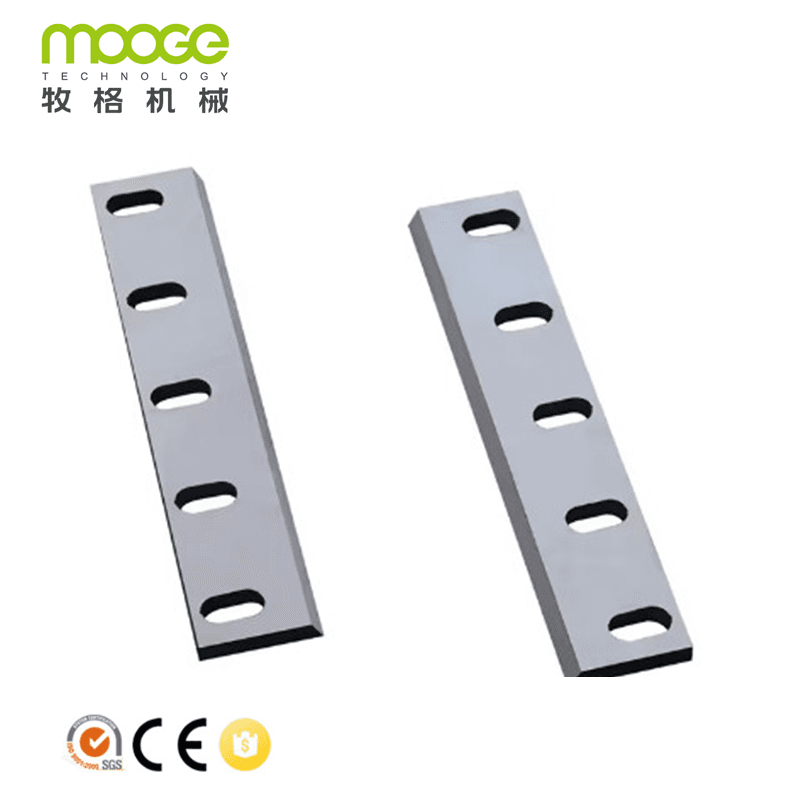
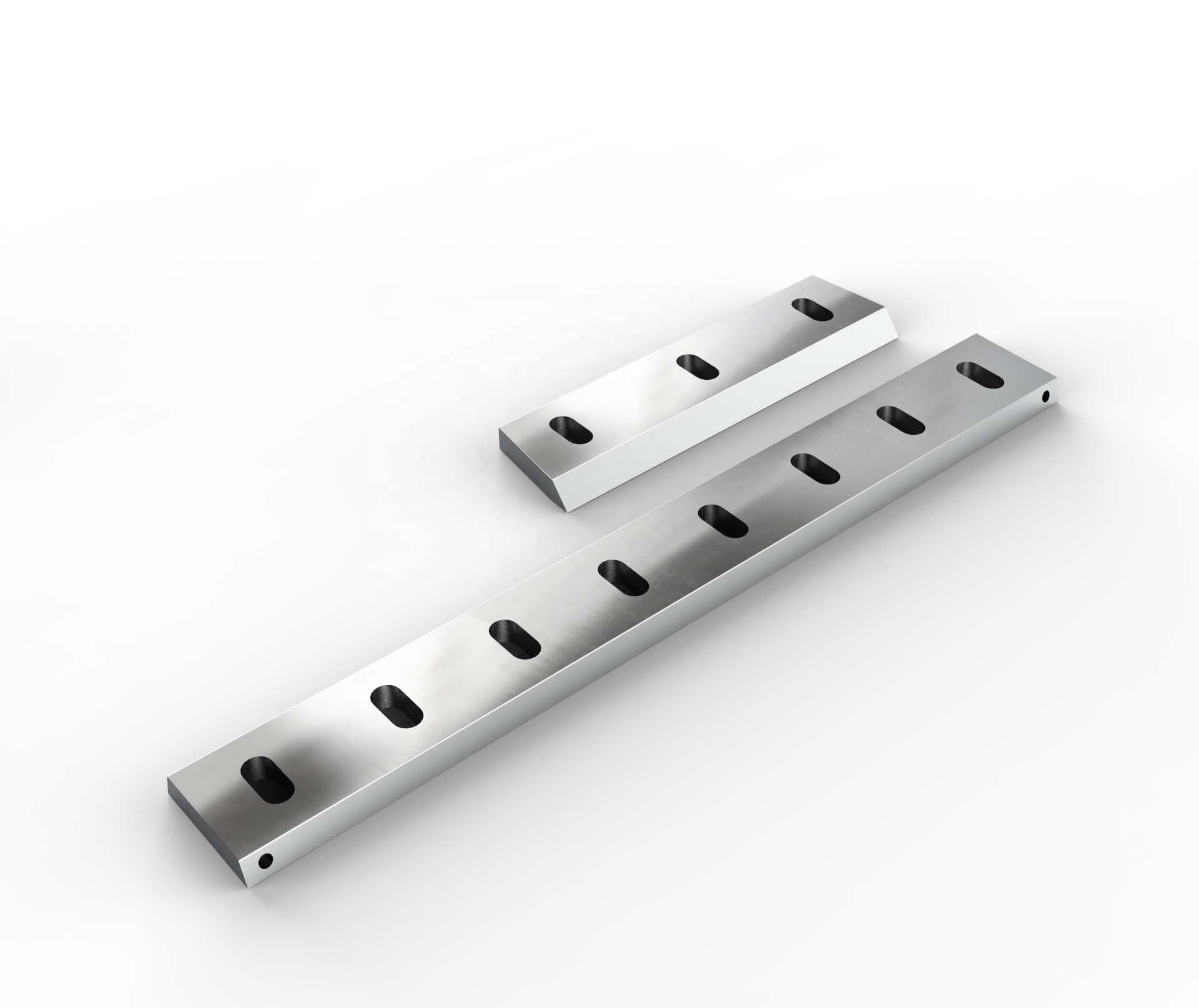
Plastic Crusher Plate Knife is built for pet bottle crushing lines and rigid plastic size reduction. Available in SKD11 / 9CrSi for wear resistance, stable knife clearance, and repeatable sharpening. The straight edge format suits long bolt-on knife bars and clamp-mounted holders.

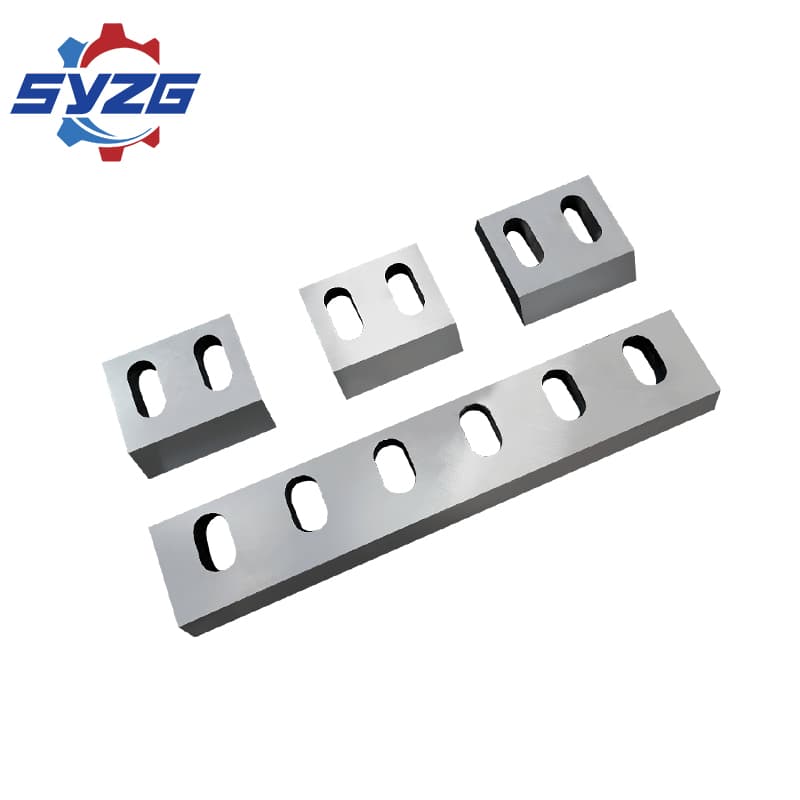
Plastic Crusher Insert Blade — Plastic Crusher Knives and Blades — SKD11 / D2 / 9CrSi / H13 | Leader Blades
PCB-003

Plastic Crusher Insert Blade

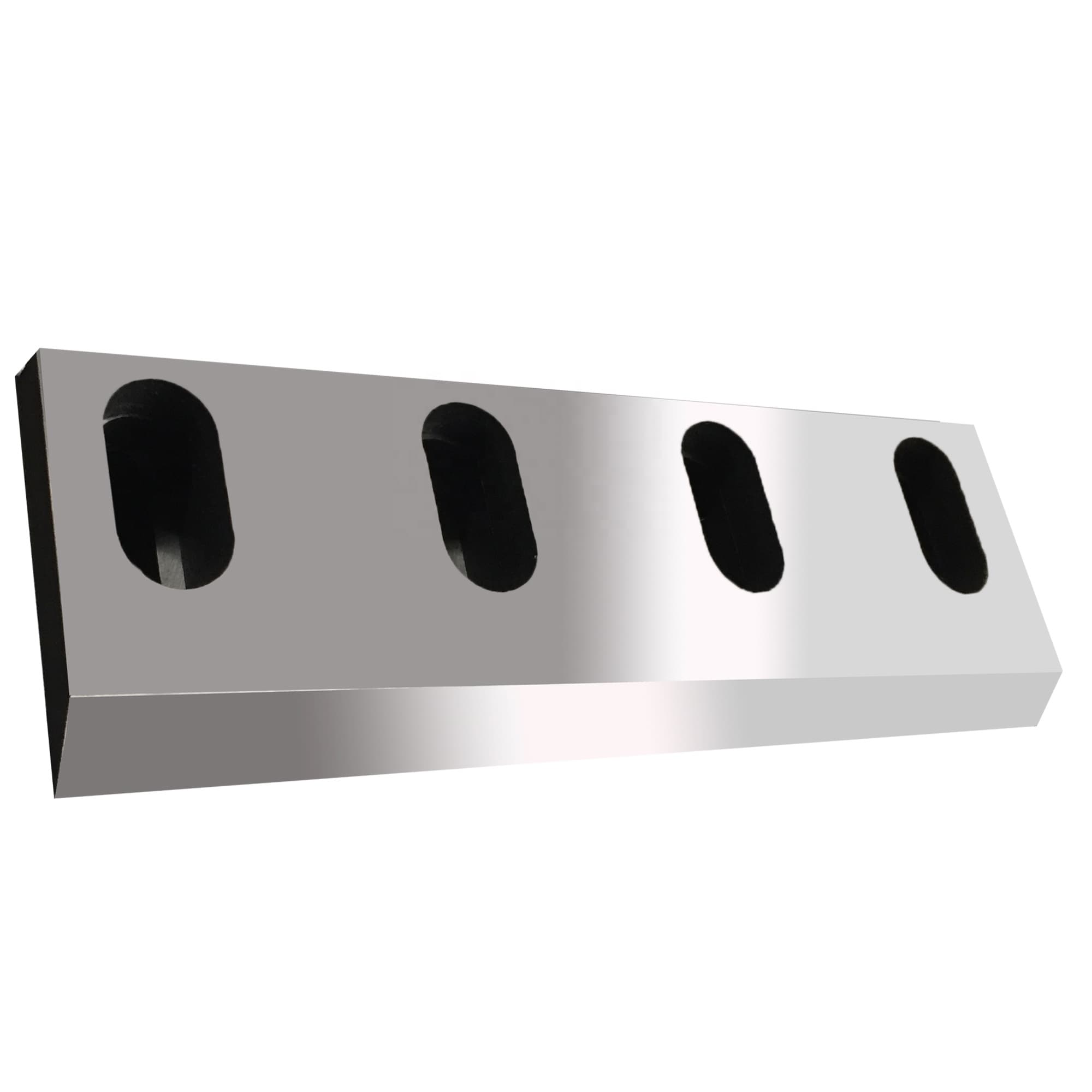
Plastic Crusher Insert Blade is built for pet bottle crushing lines and rigid plastic size reduction. Available in SKD11 / D2 / 9CrSi / H13 for wear resistance, stable knife clearance, and repeatable sharpening. The insert-style format fits compact cutter seats and short replacement positions.

D2 Plastic Crusher Insert Blade — Plastic Crusher Knives and Blades — D2 / SKD11 / Cr12MoV / HSS | Leader Blades
PCB-004

D2 Plastic Crusher Insert Blade

D2 Plastic Crusher Insert Blade is built for pet bottle crushing lines and rigid plastic size reduction. Available in D2 / SKD11 / Cr12MoV / HSS for wear resistance, stable knife clearance, and repeatable sharpening. The insert-style format fits compact cutter seats and short replacement positions.

HSS Plastic Crusher Insert Blade — Plastic Crusher Knives and Blades — HSS | Leader Blades
PCB-005

HSS Plastic Crusher Insert Blade

HSS Plastic Crusher Insert Blade is built for pet bottle crushing lines and rigid plastic size reduction. Available in HSS for wear resistance, stable knife clearance, and repeatable sharpening. The insert-style format fits compact cutter seats and short replacement positions.

Heavy-Duty Plastic Crusher Insert Blade — Plastic Crusher Knives and Blades — D2 / SKD11 / Cr12MoV / HSS | Leader Blades
PCB-006

Heavy-Duty Plastic Crusher Insert Blade

Heavy-Duty Plastic Crusher Insert Blade is built for pet bottle crushing lines and rigid plastic size reduction. Available in D2 / SKD11 / Cr12MoV / HSS for wear resistance, stable knife clearance, and repeatable sharpening. The insert-style format fits compact cutter seats and short replacement positions.

SKD11 Plastic Crusher Insert Blade — Plastic Crusher Knives and Blades — SKD11 | Leader Blades
PCB-007

SKD11 Plastic Crusher Insert Blade

SKD11 Plastic Crusher Insert Blade is built for pet bottle crushing lines and rigid plastic size reduction. Available in SKD11 for wear resistance, stable knife clearance, and repeatable sharpening. The insert-style format fits compact cutter seats and short replacement positions.

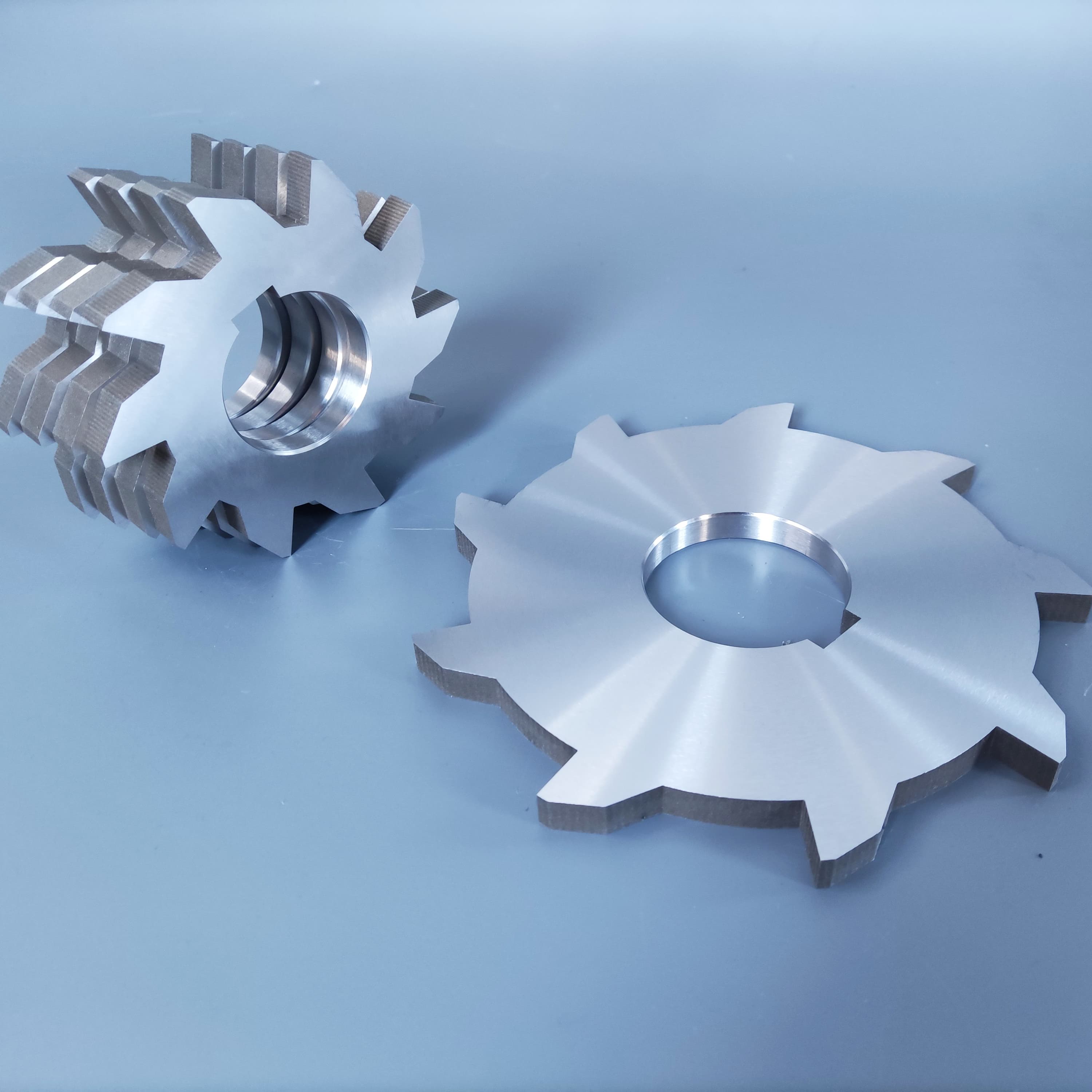
Plastic Crusher Profile Knife — Plastic Crusher Knives and Blades — SKD11 / D2 / HSS / M2 | Leader Blades
PCB-008

Plastic Crusher Profile Knife

Plastic Crusher Profile Knife is built for pet bottle crushing lines and rigid plastic size reduction. Available in SKD11 / D2 / HSS / M2 for wear resistance, stable knife clearance, and repeatable sharpening. The profiled body suits fixed or rotary stations where alignment and edge exposure matter.

Universal Plastic Crusher Insert Blade — Plastic Crusher Knives and Blades — SKD11 / D2 / HSS / 9CrSi | Leader Blades
PCB-009

Universal Plastic Crusher Insert Blade

Universal Plastic Crusher Insert Blade is built for pet bottle crushing lines and rigid plastic size reduction. Available in SKD11 / D2 / HSS / 9CrSi for wear resistance, stable knife clearance, and repeatable sharpening. The insert-style format fits compact cutter seats and short replacement positions.

Fixed Plastic Crusher Knife — Plastic Crusher Knives and Blades — D2 / SKD11 / Cr12MoV / HSS | Leader Blades
PCB-010

Fixed Plastic Crusher Knife

Fixed Plastic Crusher Knife is built for pet bottle crushing lines and rigid plastic size reduction. Available in D2 / SKD11 / Cr12MoV / HSS for wear resistance, stable knife clearance, and repeatable sharpening. The insert-style format fits compact cutter seats and short replacement positions.

Why crusher knife fit matters more than a simple length-and-width match

Plastic crusher knives are not interchangeable just because the outside dimensions are close. Machine-makers repeatedly tie regrind quality and knife life to the relationship between rotating knives, fixed knives, chamber design, and the actual feed stream. Rapid notes that its cutting technique and constant cutting circle are intended to produce uniform granules with minimal dust, while Conair’s user guide requires fixed bed-knife adjustment with a feeler gauge and a clean contact surface before the machine is run.

For buyers, that means a “same size” replacement is not enough if the seat geometry, knife angle, or fixed-knife condition is off. On production floors, the symptoms show up as dustier regrind, more motor load, or a rotor set that seems to dull early even though the steel grade looks acceptable on paper.

Match the knife family to the feed: bottles, sprues, film scrap, pipe, or profile

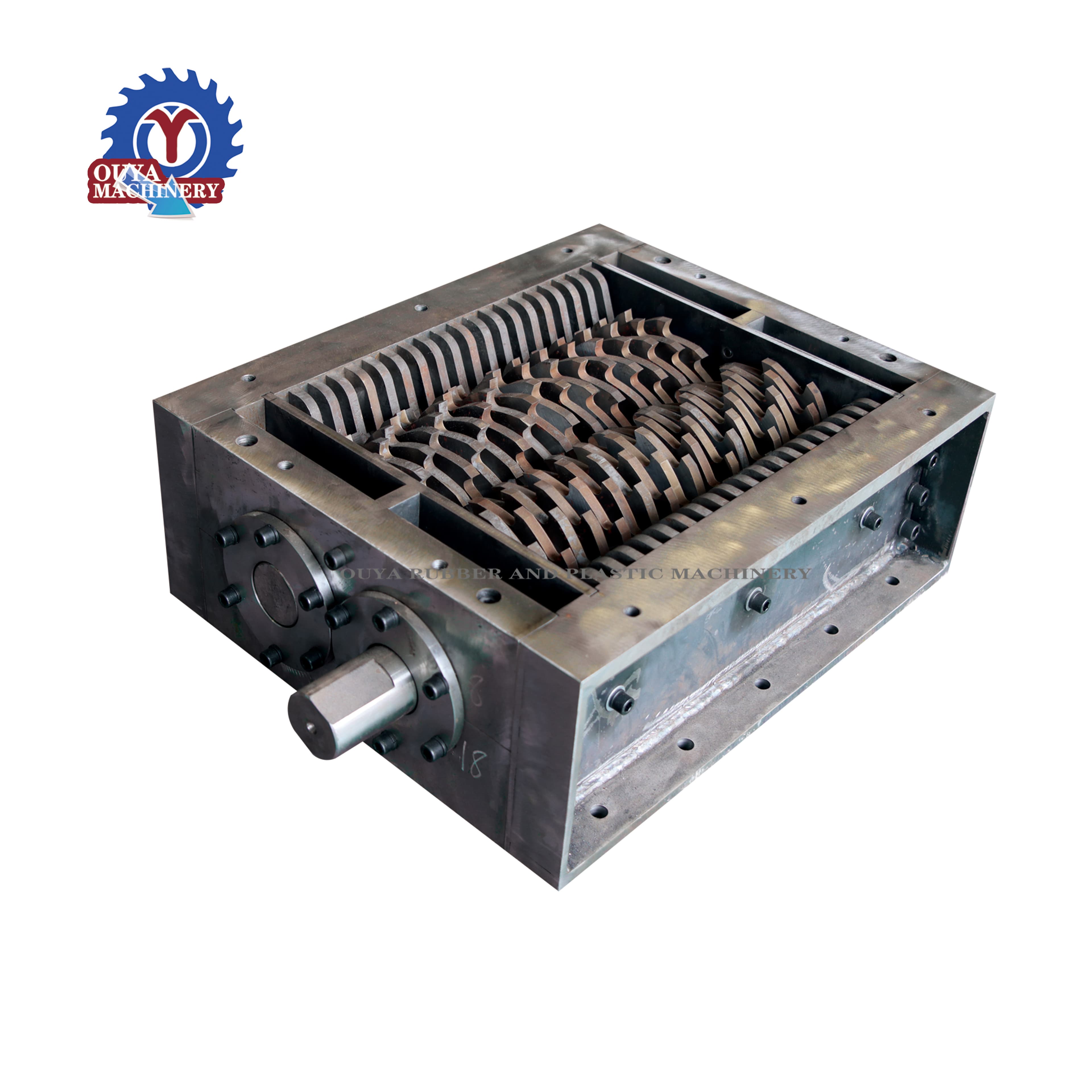
Official granulator literature also shows why one crusher category still contains several knife shapes. ZERMA’s product information separates slow-speed beside-the-press granulators, compact central granulators, heavy granulators, and pipe/profile granulators because the feed behavior is different. Pipe and profile machines, for example, use a specially angled rotor and V-cut layout to pull long parts into the chamber and reduce the percentage of fines.

That is why bottle grinding, rigid lump reduction, and pipe/profile cutting often call for different rotor and fixed-knife geometry even if they all belong under “plastic crusher blades.” When a buyer sends the material family together with photos of the holder and old knife, the RFQ becomes more reliable and far easier to quote correctly.

For closely related categories, compare our granulator knives and cutters and granulator bed and stator knives. If your line is already more problem-led than product-led, start from the plastic size reduction solution page.

What field failures usually mean on a crusher line

Common complaints on crusher knife RFQs are usually process clues, not just spare-part requests. More fines and powder often point to cutting geometry, screen condition, or knife dulling. Extra heat, rubbing marks, and poor throughput often point to a knife-gap or seat-contact problem. Sudden damage can point to contamination or loose fasteners. Conair explicitly warns that foreign material between the bed knife and bed support makes proper knife adjustment impossible and can damage the knives and chamber.

ZERMA and Rapid both emphasize serviceability features such as knives adjusted outside the machine, quick access to the chamber, and designs that preserve a stable cutting circle after resharpening. In practical buying terms, that means the fixed side of the chamber should be reviewed with the rotor set, not treated as a separate afterthought.

How to quote faster and avoid the wrong replacement set

The fastest crusher-blade RFQs combine fit data with application context. Good photos with a ruler often work, but the most useful requests also explain what the line is cutting and what has gone wrong in production. That gives enough information to decide whether the job needs a profile blade, plate knife, insert blade, or a closer check on the fixed-knife side.

  • Send front, side, and mounting-seat photos of both rotating and fixed knives.
  • State whether the machine handles bottles, rigid scrap, runners, film edge trim, pipe, or profiles.
  • Mention whether the plant wants lower dust, longer life, better throughput, or a more stable cut after sharpening.
  • If the chamber has already been damaged, say so upfront, because that changes how the replacement should be reviewed.

Plastic Crusher Knives and Blades

Plastic crusher knives FAQ

Why does knife gap matter so much on a plastic crusher?+
Official machine documentation shows that the gap between rotating and fixed knives directly affects cut quality, wear, and chamber behavior. If the gap is wrong, the machine may rub, heat up, or produce more fines even when the blade material itself is acceptable.
Should fixed knives be reviewed together with rotor knives?+
Usually yes. Conair’s service guidance and multiple machine-maker designs treat the fixed side as part of the real cutting system. A new rotor knife working against a worn or badly seated fixed knife can still cut poorly.
Are bottle, sprue, and pipe/profile knives really different jobs?+
Yes. OEM literature separates these machine families because feed behavior changes the preferred rotor geometry, infeed design, and fines performance. That is why application details should be part of the RFQ.
What is the best way to request a quotation if no OEM drawing is available?+
Send photos of the old knife and its mounting seat, plus overall dimensions, hole pattern, material type, and the main production symptom. For category pages like this, photos of both the rotating and fixed side are more useful than one blade photo alone.