
OEM replacement RFQ problems this page is meant to solve
- •The original machine brand is known, but the plant no longer has a complete drawing or spare-part code for the knife
- •A replacement blade fits the holes, but output quality, knife gap, or tool life is still unstable after startup
- •The buyer is comparing Rapid, Tria, EREMA, BKG, ZERMA, or other machine positions and needs a practical fit-check route
- •A dealer or maintenance team needs a short RFQ checklist to quote old machines and export replacements quickly
Why OEM replacement recycling-knife RFQs need more than a part name
For many recycling lines, the buying problem is not simply "find a knife supplier". It is "replace one worn machine-specific knife without losing fit, gap, and cutting stability". Official service pages from EREMA, ZERMA, Rapid, and MAAG all point to the same reality: spare-part selection depends on drawings, holder geometry, tool access, and maintenance setup, not only outside dimensions.
That is why this guide focuses on an OEM replacement workflow for granulator knives, shredder cutters, bed knives, cutter-compactor knives, and pelletizer blades. If your team has the old blade, a photo of the knife seat, or the machine model but no full CAD drawing, the RFQ still needs enough technical context to protect installation and startup.
For a first shortlist, compare our granulator bed knives, pelletizer blades, and cutter-compactor knives above the fold instead of starting from a broad catalog page.
Where OEM replacement knives usually sit in recycling lines
Replacement knives are normally requested at the machine stage where tool access, counter-knife alignment, or blade adjustment is already slowing maintenance. Rapid highlights full access to the cutting chamber for knife replacement on open-hearted granulators, ZERMA links sharp granulator knives and correct cutting-gap setup to better output and lower power use, and MAAG describes automated or manual blade adjustment as part of pelletizer process stability.
- Granulator rotor and bed knives for Rapid, Tria, ZERMA, and similar chamber layouts where seat contact and gap control decide final regrind quality.
- Single-shaft shredder cutters where a turnable square knife, cutter holder, or counter-knife arrangement must match the rotor pocket.
- Cutter-compactor and pelletizer knives on EREMA-compatible or BKG-style positions where the buyer must confirm holder style, wear face, and blade-adjustment route.
Fit, steel, and heat-treatment checks before approving an OEM replacement batch
A machine-compatible knife quote should confirm three things before production: geometry, steel direction, and installation assumptions. ZERMA's spare-part guidance emphasizes blade sharpness and correct cutting-gap setup; Rapid's service-oriented granulator design is built around direct knife access; and EREMA's BluPort spare-parts workflow exposes drawings, documentation, and order history to reduce selection mistakes. Those signals matter when buyers ask for "OEM replacement" from an old part.
Geometry review should cover thickness, hole spacing, step height, cutting edge length, seat-contact face, and whether the part is a rotor knife, stationary knife, square cutter, or pelletizer blade. Steel review should then match the real feed condition and sharpening practice, not just a generic grade label. If the duty is abrasive film compaction, dirty rigid scrap, or pelletizer cutting with frequent adjustment, the heat-treatment target may differ even when the part outline looks similar.
For a steel-selection baseline, use the blade selection guide, then confirm the machine-side dimensions during quotation.
What common post-replacement failures usually mean
If a newly installed replacement knife bolts on but the line still creates fines, tails, heat, noise, or one-sided wear, the problem is often a fit-and-setup issue rather than "bad steel" alone. ZERMA states that correct cutting-gap setting and sharp knives improve final granulator output and power use. MAAG's EAC system description also shows why blade-position control matters on pelletizers: automatic feed adjustment, blade-change warnings, and vibration monitoring are tied directly to process stability.
For granulators and bed knives, a worn stationary seat, trapped contamination under the bed knife, or a wrong gap target can defeat a new rotor blade. For cutter-compactor and pelletizer knives, holder style, clamping face, and adjustment travel can matter as much as alloy choice. For shredder cutters, check whether the rotor pocket expects a turnable square knife, a specific concave profile, or a matching counter-knife arrangement before copying dimensions blindly.
What to send for a fast OEM replacement recycling-knife quotation
A strong replacement RFQ should let the supplier confirm both the old part geometry and the real machine position. If the old blade is worn, photos can still be enough to start, but add one straight-on face photo, one side-profile photo, one seat-contact photo, and one chamber or holder photo with a ruler in frame.
- Machine brand and model, plus the exact position: rotor knife, bed knife, square shredder cutter, cutter-compactor blade, or pelletizer blade
- Length, width, thickness, hole diameter, hole-to-hole spacing, step height, and edge bevel direction
- Whether the buyer needs a direct OEM replacement, a compatible spare, or a geometry review from the old knife
- Feed material, contamination level, output target, and current symptom after installation or sharpening
- Quantity, destination country, required packing style, and any shutdown deadline
If you are quoting an urgent shutdown spare now, send the photos and dimensions through the contact page and note whether the machine is running Rapid, Tria, EREMA, BKG, ZERMA, or another chamber style.
Representative parts for this line
Use the closest shape below as your RFQ reference, then send dimensions or old-blade photos for fit review.
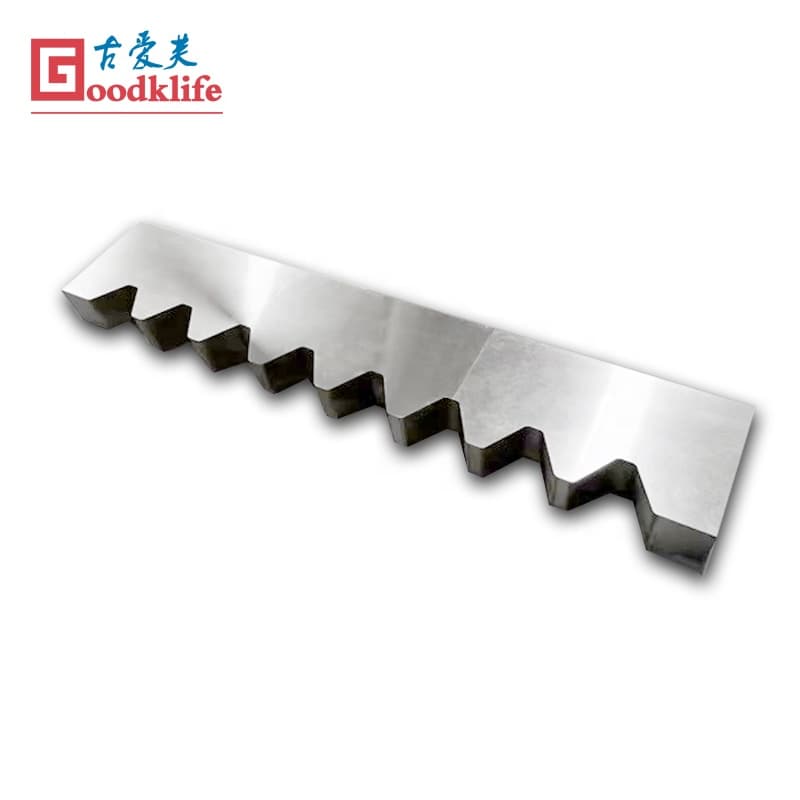
GBK-003
Rapid and Tria-Compatible Granulator Bed Knife
Rapid and Tria-Compatible Granulator Bed Knife is built for granulator bed knife replacement and pet bottle and rigid plastic grinding. Available in SKD11 / D2 / HSS / tungsten carbide for stable rotor clearance and consistent granulation quality. The insert-style format fits compact cutter seats and short replacement positions.
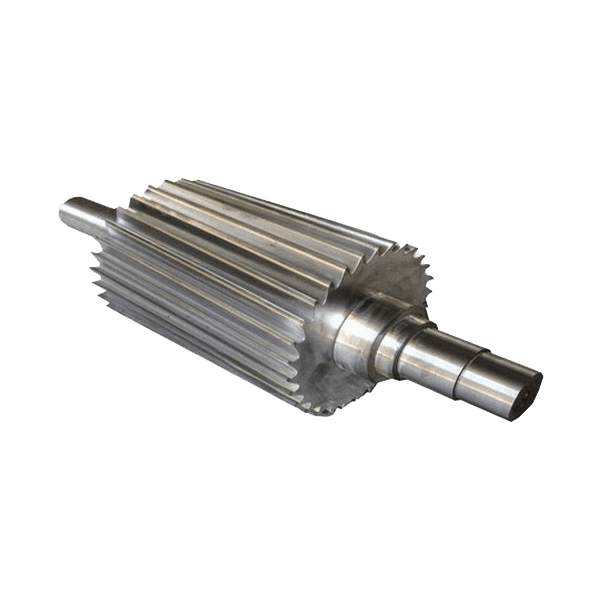
PPB-003
EREMA and BKG-Compatible Pelletizer Blade
EREMA and BKG-Compatible Pelletizer Blade is built for strand pelletizer knife replacement and die-face pelletizer maintenance. Available in SKD11 / D2 for clean pellet cut quality and steady service life. The profiled body suits fixed or rotary stations where alignment and edge exposure matter.
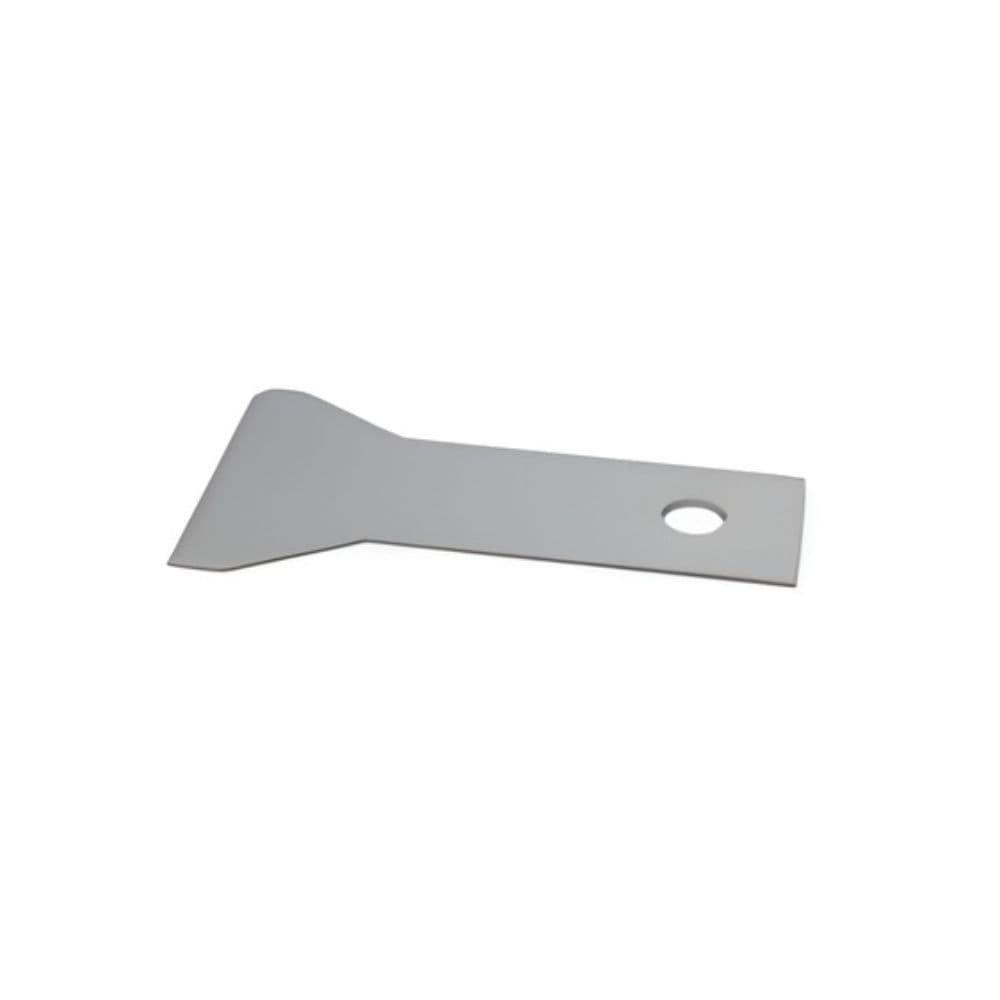
CCK-006
EREMA-Compatible Cutter Compactor Knife
EREMA-Compatible Cutter Compactor Knife is built for cutter compactor rotor replacement and film densifying systems. Available in D2 / SKD11 / HSS / alloy steel for impact resistance, heat control, and predictable regrinding. The straight edge format suits long bolt-on knife bars and clamp-mounted holders.
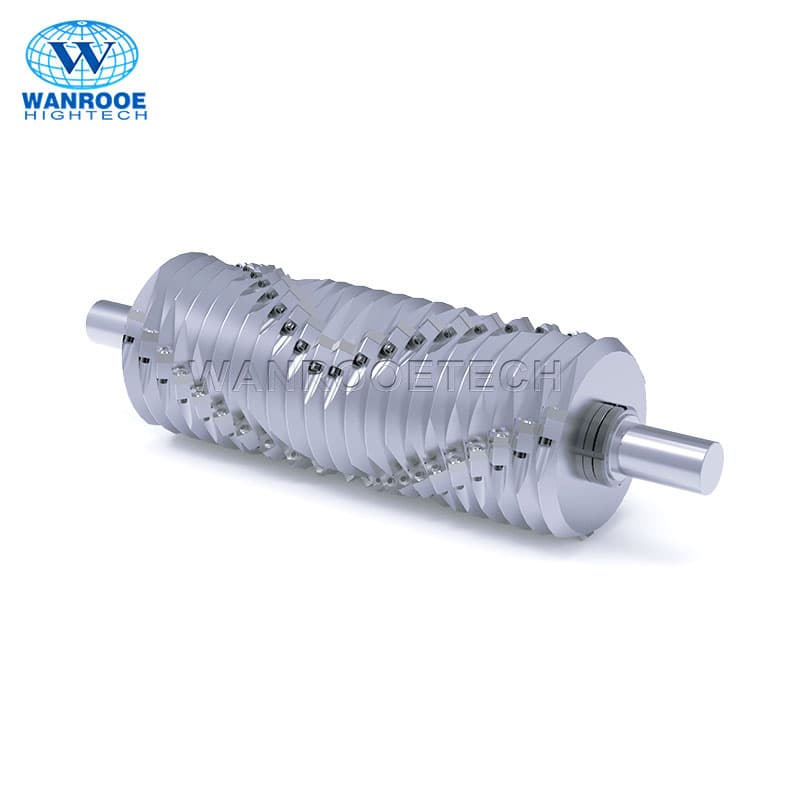
SSK-002
Plastic Single-Shaft Shredder Knife
Plastic Single-Shaft Shredder Knife is built for single-shaft shredders and film and woven bag shredding. Available in D2 / SKD11 / carbide-tipped alloy steel for wear resistance and repeated indexing in shredder rotors. The cutter geometry suits stacked shredder rotors and indexable cutter assemblies.
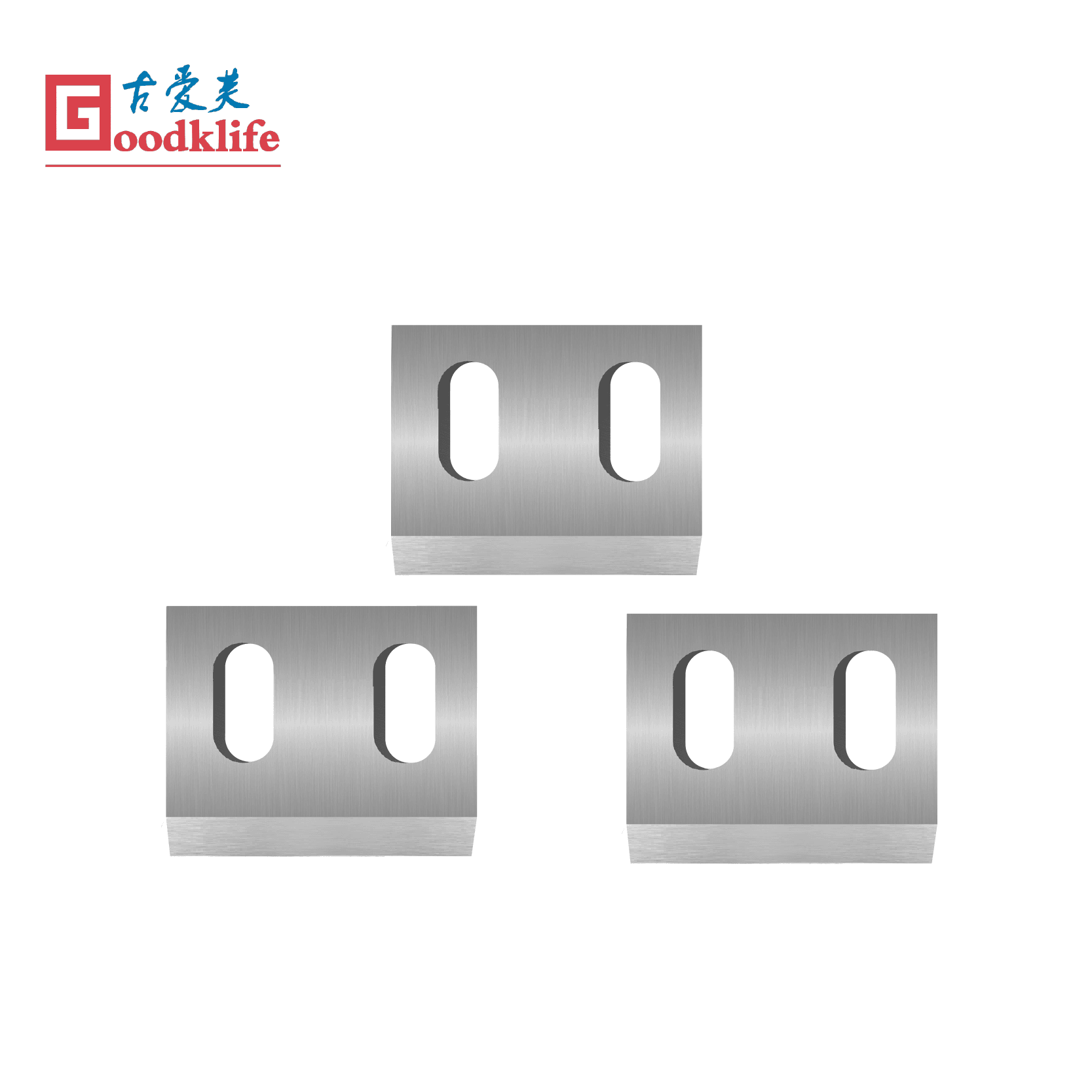
PGK-003
Bottle Granulator Insert Knife
Bottle Granulator Insert Knife is built for pet bottle granulation and bottle flake size reduction. Available in SKD11 / D2 / HSS / 9CrSi for clean regrind, stable clearance, and practical resharpening cycles. The insert-style format fits compact cutter seats and short replacement positions.
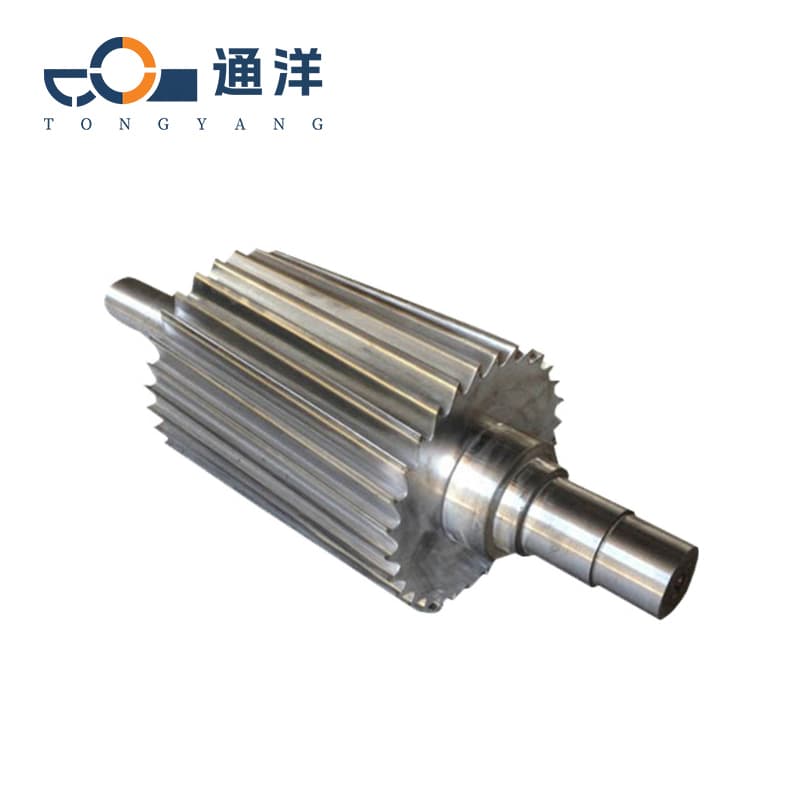
GBK-001
Granulator Bed Knife
Granulator Bed Knife is built for granulator bed knife replacement and pet bottle and rigid plastic grinding. Available in SKD11 / D2 / HSS / tungsten carbide for stable rotor clearance and consistent granulation quality. The insert-style format fits compact cutter seats and short replacement positions.
Related knife categories
Related articles
OEM replacement recycling knives FAQ
Can you quote OEM replacement knives if the buyer only has an old blade and machine photos?+
What machine positions are usually included in an OEM replacement recycling-knife RFQ?+
Why can a replacement knife fit the holes but still perform badly after installation?+
What is the fastest way for a dealer or maintenance team to request a quote?+
Official OEM and machine-service references behind this guide
This page uses official service, spare-part, and pelletizing/granulation references from machine builders to frame how buyers should specify replacement knives, confirm tool fit, and describe maintenance symptoms.
EREMA
Service
EREMA says BluPort includes Spare Parts Online for checking availability, prices, and delivery times, and that replacement parts are available even for machines no longer in the current portfolio such as TVE or COAX.
View sourceEREMA
BluPort
EREMA lists drawings, documentation, maintenance videos, and one-click spare-part access inside BluPort, which supports replacement selection when buyers need machine-specific references.
View sourceZERMA
Wear and spare parts
ZERMA states that sharp granulator blades and correct cutting-gap setting improve final output and reduce power consumption, and notes that shredder knives can be turned when one side is worn.
View sourceRapid Granulator
ThermoPRO
Rapid says its open-hearted design gives quick, complete access to the cutting chamber and makes knife replacement easier because all knives are directly reachable.
View sourceMAAG
EAC for underwater pelletizing systems
MAAG describes automatic blade feed adjustment, blade-wear compensation, blade-change warning, and vibration monitoring for underwater pelletizing, which is directly relevant to replacement-blade setup and maintenance timing.
View sourceMAAG
PEARLO
MAAG says PEARLO supports recycling applications, uses manual or automated blade adjustment for process stability, and is designed for long cutting-tool life and fast chamber opening during service.
View sourceNeed an OEM replacement recycling knife checked against your old sample or machine model?
Send blade photos, hole spacing, thickness, machine model, feed material, and the exact working position. We can review granulator bed knives, shredder cutters, cutter-compactor knives, and pelletizer blades for direct replacement or compatible production.