
Typical rigid-plastic line problems behind the RFQ
- •Bulky HDPE or PP feed is inconsistent, bridges in the machine, or overloads the first size-reduction stage
- •The shredder output is too coarse or too variable for the downstream crusher or granulator to run steadily
- •Crusher or granulator knives wear quickly, create too many fines, or still cut badly after a rotor-only change
- •The plant has old knives and dimensions, but no clear OEM drawing for drums, crates, containers, or thick molded parts
Why HDPE and rigid-plastic lines need stage-specific knives
Rigid-plastic recycling lines rarely behave like PET bottle or PE film lines. The feed is usually bulkier, thicker, and less uniform, and it may arrive as blow-molded bottles, pails, crates, pallets, drums, canisters, purgings, or rejected molded parts. Official machine-maker materials repeatedly show that this kind of feed changes the knife decision. Buyers need to match the knife family to the actual stage of reduction, not just the machine name.
WEIMA, ZERMA, and Vecoplan all describe rigid-plastic machines in terms of feed shape, cutting geometry, screen choice, and chamber design. That is a practical signal for purchasing teams: if the line handles bulky hollow bodies or thick-walled molded scrap, the spare-knife strategy should start from feed behavior and the next machine stage, not only from outside dimensions.
Where the knife changes happen in a rigid-plastic recycling line
On many HDPE and PP rigid-plastic lines, the first knife decision is whether the plant needs a pre-shredder stage before crushing or granulation. Official single-shaft shredder materials from WEIMA, Vecoplan, and ZERMA are aimed at bulky input such as PE, PET, and PP bottles, buckets, pallets, containers, IBCs, wheelie bins, and large drums. The next stage is often a central crusher or granulator that produces a more stable output size for washing, regrind handling, or repelletizing.
- Single-shaft shredder knives are typically used where the feed is bulky, irregular, or too large for direct granulation.
- Crusher blades are often used when the line needs a stronger secondary breakdown of rigid parts and hollow bodies.
- Granulator knives, bed knives, and stator knives take over when output consistency, lower fines, and stable regrind quality matter more than initial break-down force.
If your line already combines stages, compare the closest categories in our single-shaft shredder knives, plastic crusher blades, granulator knives, and bed and stator knives.
How bottles, buckets, drums, crates, and purgings change the knife route
Rigid feed type changes the correct knife route more than many buyers expect. A line built around HDPE or PP bottles and containers may need a very different first-stage knife decision from one that runs thick-walled purgings or rejected injection-molded parts. ZERMA’s heavy-duty granulator literature separates central granulation from post-shredder finishing, while its shredder documentation frames large-volume parts like IBCs and drums as their own duty class.
That is why a serious RFQ should say whether the feed is mostly bottles and buckets, large hollow bodies, pallets and crates, or dense molded scrap. This is not only a throughput detail. It affects whether the buyer should prioritize turnable square shredder cutters, stronger crusher blades, a different stator arrangement, or a more service-friendly granulator setup.
What common failure patterns usually mean on HDPE and PP rigid lines
Rigid-plastic knife failures are often stage-specific. If the first-stage shredder output is too inconsistent, the downstream crusher or granulator may show more fines, unstable amperage, or faster knife wear even though the secondary knife material itself is acceptable. Vecoplan and ZERMA both connect rigid-plastic performance to cutting geometry, rotor/blade configuration, counter-knife options, and screen choice.
On the granulator side, Conair’s service guidance is especially useful: dusty regrind, extra noise, and fines are reasons to inspect blade wear, blade gap, and sharpening. It also warns that foreign material between the bed knife and support makes proper adjustment impossible and can damage the knives and cutting chamber. In real buying terms, many rigid-plastic RFQs that sound like “short knife life” are actually multi-part chamber and setup issues.
How to think about knife selection, turnable cutters, and maintenance access
Official rigid-plastic shredder and granulator materials put a lot of emphasis on serviceability. ZERMA highlights turnable concave-ground square knives on the ZIS shredder family, while Vecoplan emphasizes tool-holder plates and cutting-tip changes that let users adapt output geometry without replacing the full rotor. ZERMA’s granulator range also emphasizes easy access for maintenance, rotor and stator knife changes, and quick screen changes on central machines.
For buyers, this means the quotation should not stop at the knife dimensions. It should also confirm whether the line depends on indexable square cutters, a second counter knife, a specific screen window, or a bed-knife setup that is sensitive to contamination and clearance. If the goal is lower downtime rather than only lower piece price, these details belong in the RFQ.
What to send for a fast rigid-plastic knife quotation
The fastest HDPE and rigid-plastic RFQs combine fit information with the actual feed description and machine stage. Good photos with a ruler are usually enough to begin review, especially when the buyer also explains whether the line is shredding bulky hollow bodies, thick-walled parts, or cleaner secondary regrind.
- Machine brand and model, if known, plus whether the position is shredder, crusher, rotor knife, bed knife, or stator knife
- Feed description: HDPE bottles, PP buckets, IBCs, wheelie bins, drums, pallets, crates, purgings, or thick molded parts
- Knife dimensions, hole pattern, insert size, square-cutter size, or rotor seat photos
- Current symptom: bridging, coarse output, fines, overheating, one-sided wear, chipping, or unstable regrind
- Screen size, target output size, and whether the stage feeds washing, storage, or pelletizing
- Quantity, destination country, and whether the buyer wants OEM replacement or a geometry review from the old part
If you are comparing replacement routes now, start with our blade selection guide and then send your old-part photos through the contact page or the form below.
Representative parts for this line
Use the closest shape below as your RFQ reference, then send dimensions or old-blade photos for fit review.
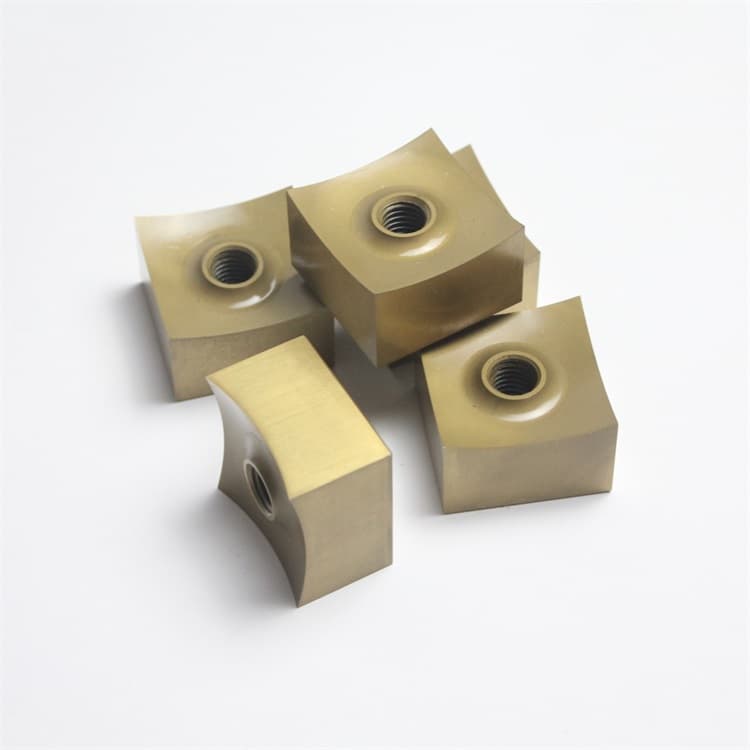
SSK-006
Hard Plastic Single-Shaft Shredder Knife
Hard Plastic Single-Shaft Shredder Knife is built for single-shaft shredders and film and woven bag shredding. Available in D2 / SKD11 / carbide-tipped alloy steel for wear resistance and repeated indexing in shredder rotors. The cutter geometry suits stacked shredder rotors and indexable cutter assemblies.
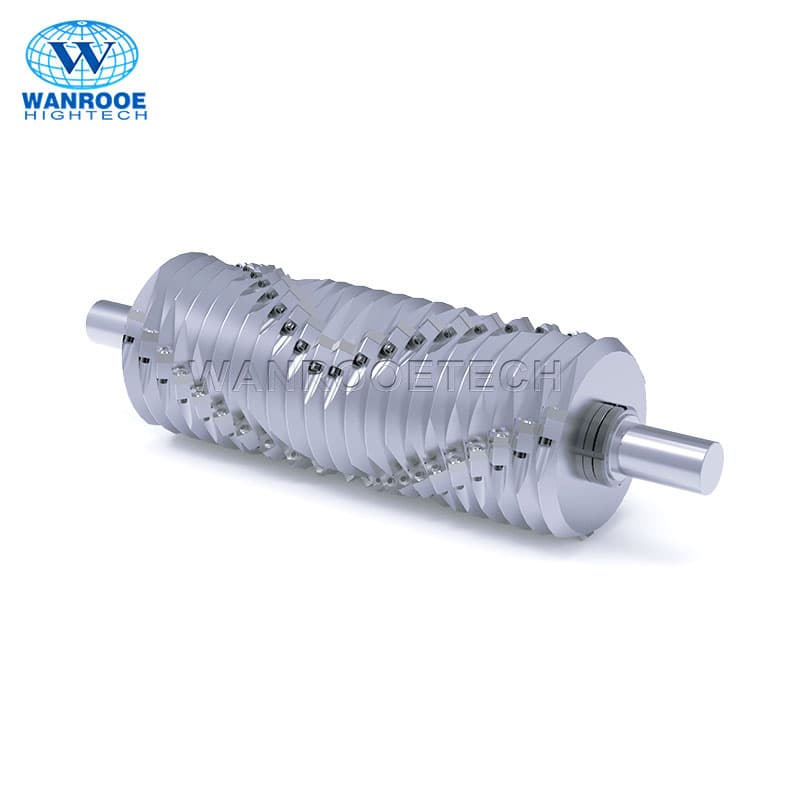
SSK-002
Plastic Single-Shaft Shredder Knife
Plastic Single-Shaft Shredder Knife is built for single-shaft shredders and film and woven bag shredding. Available in D2 / SKD11 / carbide-tipped alloy steel for wear resistance and repeated indexing in shredder rotors. The cutter geometry suits stacked shredder rotors and indexable cutter assemblies.
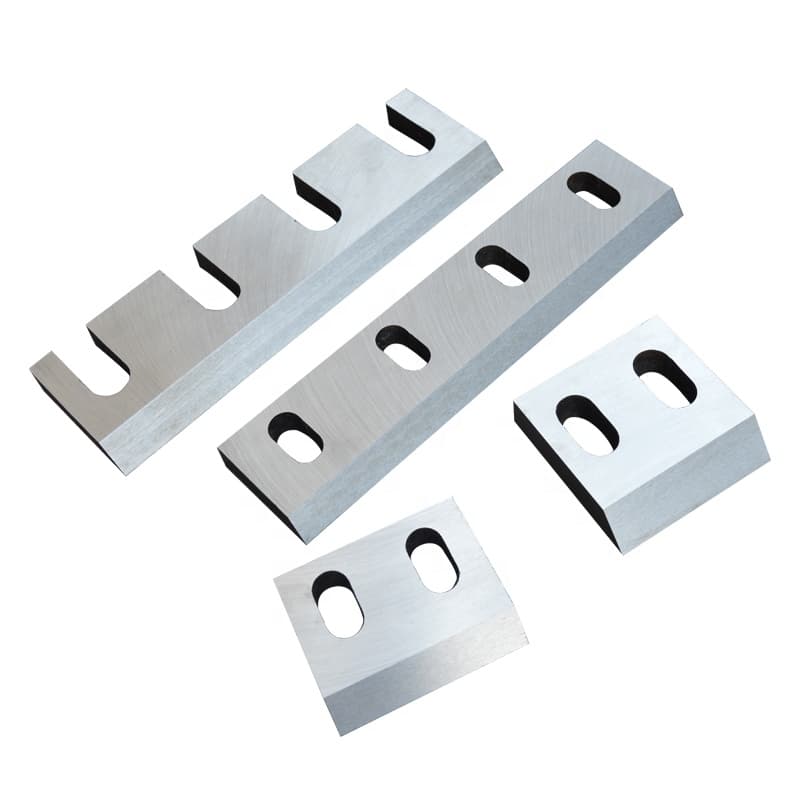
PCB-010
Fixed Plastic Crusher Knife
Fixed Plastic Crusher Knife is built for pet bottle crushing lines and rigid plastic size reduction. Available in D2 / SKD11 / Cr12MoV / HSS for wear resistance, stable knife clearance, and repeatable sharpening. The insert-style format fits compact cutter seats and short replacement positions.
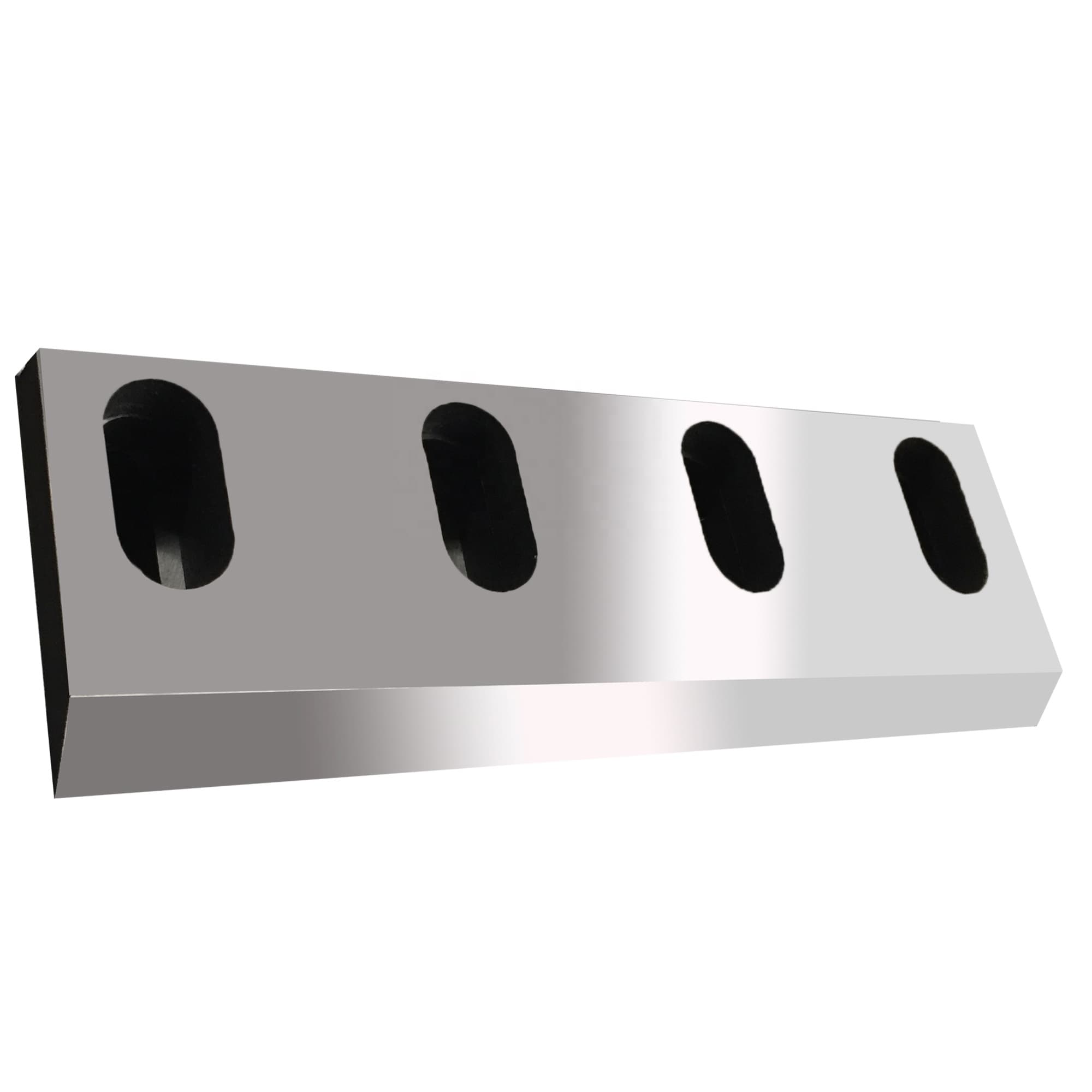
PCB-002
Plastic Crusher Plate Knife
Plastic Crusher Plate Knife is built for pet bottle crushing lines and rigid plastic size reduction. Available in SKD11 / 9CrSi for wear resistance, stable knife clearance, and repeatable sharpening. The straight edge format suits long bolt-on knife bars and clamp-mounted holders.
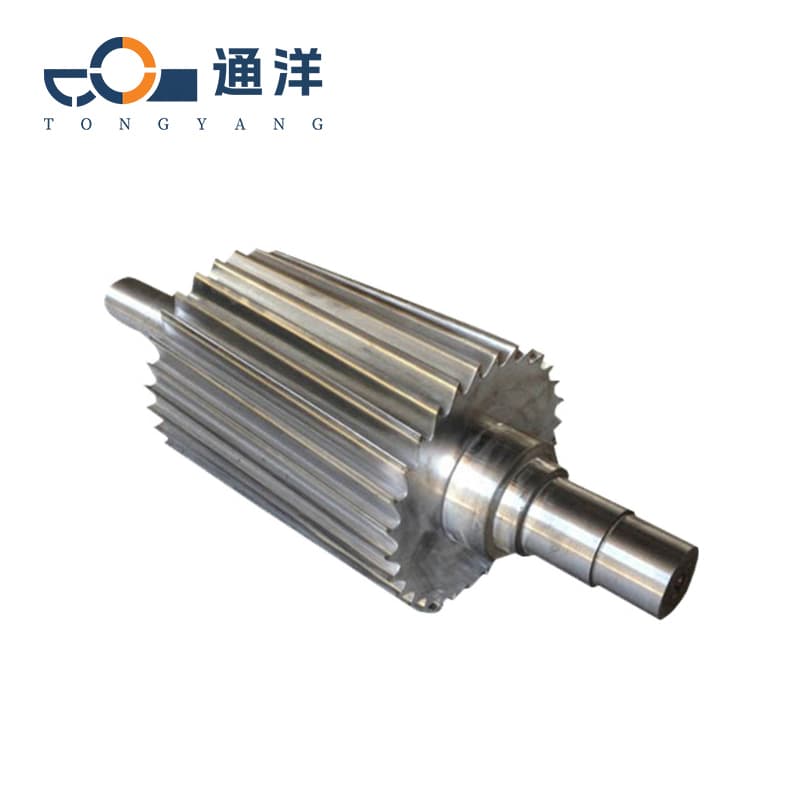
GBK-001
Granulator Bed Knife
Granulator Bed Knife is built for granulator bed knife replacement and pet bottle and rigid plastic grinding. Available in SKD11 / D2 / HSS / tungsten carbide for stable rotor clearance and consistent granulation quality. The insert-style format fits compact cutter seats and short replacement positions.
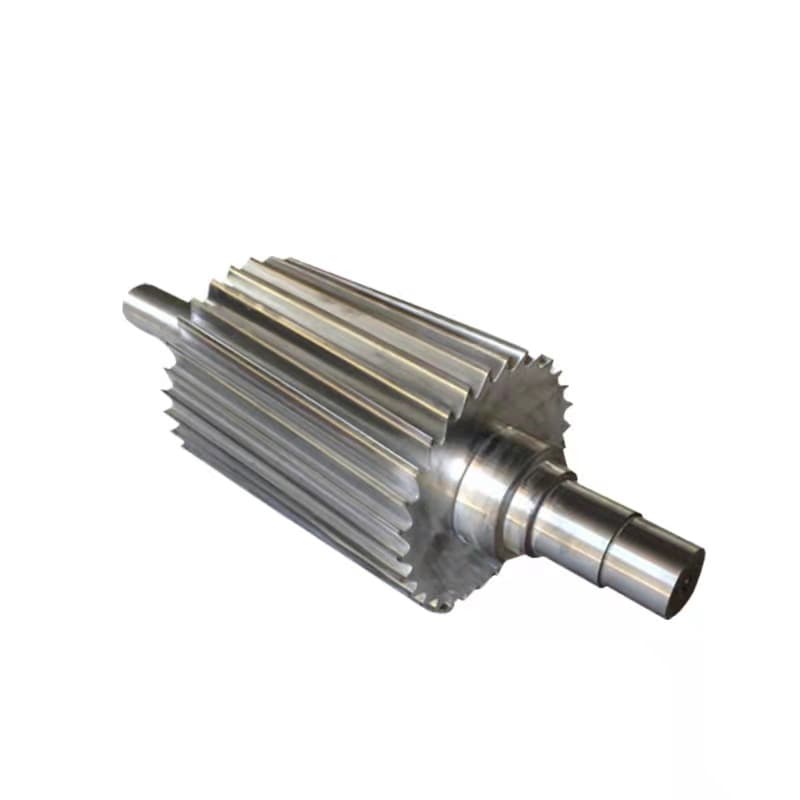
GBK-005
Granulator Fixed Knife
Granulator Fixed Knife is built for granulator bed knife replacement and pet bottle and rigid plastic grinding. Available in SKD11 / D2 / HSS / tungsten carbide for stable rotor clearance and consistent granulation quality. The profiled body suits fixed or rotary stations where alignment and edge exposure matter.
Related knife categories
Related articles
HDPE and rigid-plastic recycling knives FAQ
What knives are usually involved in an HDPE or rigid-plastic recycling line?+
Why do rigid-plastic lines often need a shredder before a granulator?+
If the line is making too many fines, should buyers only replace the rotor knives?+
What is the best way to request a quotation for HDPE bottles, drums, or rigid scrap knives?+
Official machine-maker references behind this guide
This guide is based on official shredder, granulator, and service materials from machine manufacturers rather than generic reseller copy. These sources were used to frame feed type, stage selection, knife geometry, bed-knife setup, and maintenance access.
WEIMA
WLK 1500
WEIMA describes the WLK 1500 as suitable for plastics, plastic lumps, blow-molded PE/PET/PP bottles, buckets, pallets, and containers, and notes that it can be integrated as a pre-shredder in a two-stage process solution.
View sourceZERMA
ZIS Datasheet
ZERMA positions the ZIS series for voluminous parts such as IBCs, wheelie bins, pallets, and large drums, and notes turnable concave-ground square knives, large chamber volume, outboard bearings, and easy maintainability.
View sourceZERMA
Granulators 2025 Brochure
ZERMA explains that GSE and GSH granulators can be used as central machines or after a shredder, highlights high-quality regrind with minimal downtime, and describes GSH models for thick-walled pipes and injected parts plus GSE/GSC access for rotor, stator, and screen changes.
View sourceVecoplan
Vecoplan develops new line of highly flexible shredders for plastics recycling
Vecoplan states that VIZ shredders can be adapted to different input and output requirements by changing rotors, blades, and screens, with options such as variable cutting tip sizes and a second counter knife for plastics recycling.
View sourceConair
TF Series Granulator User Guide
Conair links dusty regrind and noise to blade wear and gap, warns that foreign material under the bed knife prevents correct adjustment, recommends new bolts on reinstallation, and specifies a 0.006 to 0.010 inch feeler-gauge window for stationary-knife setup.
View sourceNeed HDPE or rigid-plastic recycling knives matched to your actual machine stage?
Send the current knife photo, the material description, the machine stage, and the main production symptom. We can review shredder cutters, counter-knife setups, crusher blades, granulator knives, and bed/stator positions from sample or drawing.