
Typical PET line problems behind the RFQ
- •Knife life drops quickly after a change in bottle feed, contamination, or supplier batch
- •PET flakes become inconsistent, dusty, or stringy after crushing and granulation
- •Rotor knives were replaced, but bed-knife or stator wear still keeps the line unstable
- •The plant has an old sample but no complete OEM drawing for replacement ordering
Why PET bottle recycling lines need application-specific knives
PET bottle recycling is becoming more industrial and more quality-sensitive across Southeast Asia. As rPET capacity, bottle-to-bottle projects, and EPR-linked recovery systems expand, plants are under more pressure to keep flake quality stable and downtime under control. That changes the buying logic for spare knives.
A blade that only “fits the machine” is not enough if it wears too fast, chips early, or creates unstable flake size. In PET applications, the true cost of a poor knife set often appears downstream in extra fines, higher amp draw, more regrinds, and weaker washing or pelletizing consistency.
This is why serious buyers search for PET bottle crusher blades or PET bottle granulator knives instead of only broad industrial-knife terms. They want a supplier that understands the material stream and the machine stage, not just the outside dimensions.
Where knives are used in a PET bottle recycling line
In a typical PET bottle recycling line, knives appear in more than one machine stage. A crusher often handles the first size-reduction step for whole bottles or compacted bottles. A granulator may then produce more consistent flakes or regrind for washing, drying, sorting, or further processing.
- Crusher knives for primary bottle breakdown and rough size reduction.
- Granulator knives for tighter flake control and cleaner secondary cutting.
- Bed knives and stator knives as the stationary cutting reference that controls the actual knife gap.
If the line processes washed bottles, unwashed bottles, or mixed contamination from labels and caps, the replacement strategy should reflect those real conditions.
Knife types commonly used for PET bottle crushing and flake sizing
Profile and plate-style crusher knives are common where chamber fit, edge angle, and mechanical stability matter more than a generic product label. Insert-style granulator knives are widely used where buyers need more stable cutting and cleaner PET flake sizing.
Bed knives and stator knives should not be treated as secondary items. A fresh rotor knife running against a worn stationary knife can still cut badly. Many RFQs that begin as “poor knife life” are really geometry-and-clearance problems between the moving and fixed positions.
For the closest product families, compare our plastic crusher blades, granulator knives, and granulator bed and stator knives.
Common wear and failure patterns on PET bottle lines
The most common symptoms behind a PET knife inquiry are short life, more fines, irregular flakes, louder cutting noise, higher amp draw, or one-sided wear. These symptoms are not always caused by steel grade alone. They often come from a combination of feed contamination, edge geometry, alignment, stationary-knife wear, and heat-treatment direction.
- Fast wear may point to contamination or a material choice that does not match the duty.
- Chipping can indicate impact loading or hardness that is too aggressive for the real feed.
- Dust and fines often increase when the edge is rubbing instead of cutting cleanly.
- Inconsistent flake size usually suggests a geometry, seat, or knife-gap issue, not just a material problem.
How to choose steel and heat-treatment direction for PET recycling knives
There is no universal “best steel” for every PET line. D2, SKD11, HSS, and similar wear-resistant grades can all be valid depending on feed cleanliness, contamination level, sharpening practice, and line speed. What matters is matching steel and hardness to the plant’s real wear pattern.
Lines handling relatively clean PET may prioritize balanced wear and practical regrinding. Lines facing more contamination or longer uninterrupted runs may need a different wear-toughness balance. If your team is comparing steel options, start with our blade selection guide and include the current failure symptom in the RFQ rather than only asking for the hardest grade.
What to send for a fast PET bottle knife quotation
The fastest RFQs combine fit data with process context. A perfect OEM drawing is helpful, but clear photos with a ruler often work well enough to begin technical review.
- Machine brand and model, if known
- Whether the blade is for crusher, granulator, bed knife, or stator position
- Length, width, thickness, and hole pattern
- Old blade photos from front, side, and seat-contact view
- Whether the line processes whole bottles, washed bottles, PET flakes, or mixed contamination
- Main problem today: short life, chipping, fines, high amps, or unstable flake size
- Required quantity and destination country
If you are ready to quote, use the contact page or the inquiry form below and mention that the job is for a PET bottle recycling line.
Representative parts for this line
Use the closest shape below as your RFQ reference, then send dimensions or old-blade photos for fit review.
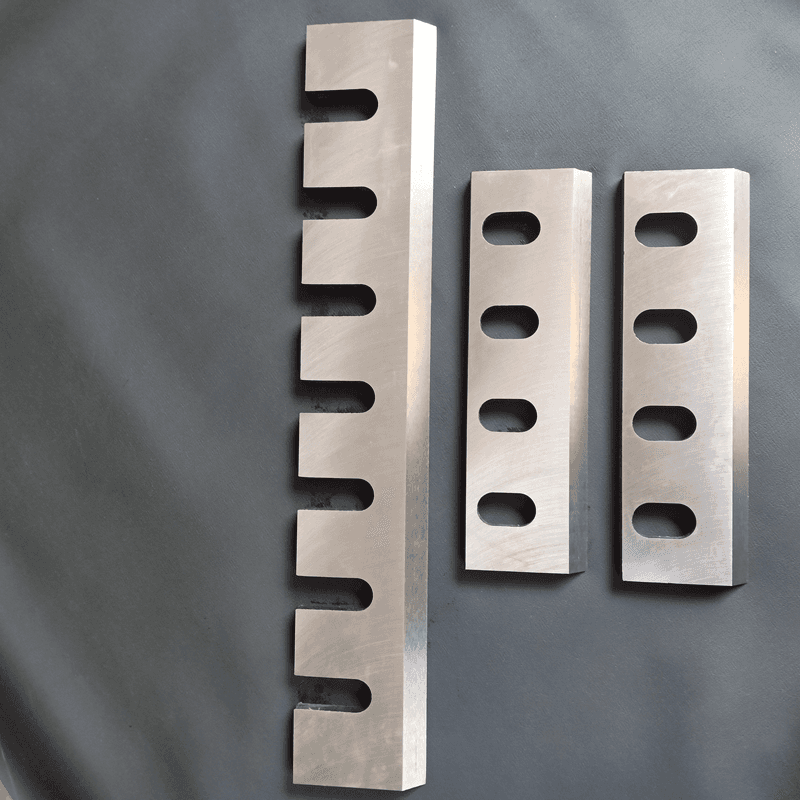
PCB-001
Plastic Crusher Profile Blade
Plastic Crusher Profile Blade is built for pet bottle crushing lines and rigid plastic size reduction. Available in D2 / HSS / 9CrSi / H13 for wear resistance, stable knife clearance, and repeatable sharpening. The profiled body suits fixed or rotary stations where alignment and edge exposure matter.
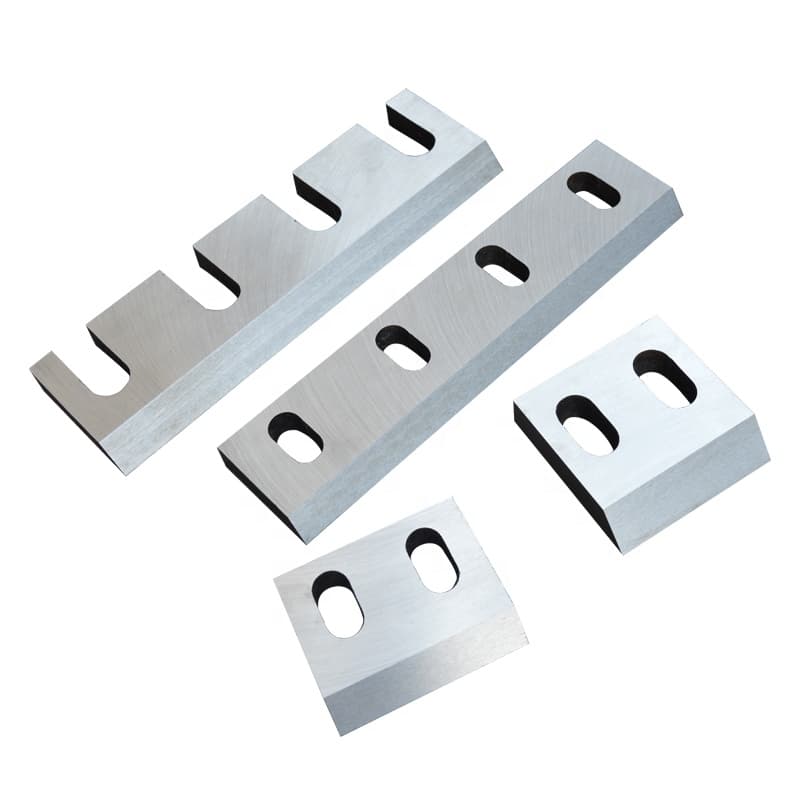
PCB-010
Fixed Plastic Crusher Knife
Fixed Plastic Crusher Knife is built for pet bottle crushing lines and rigid plastic size reduction. Available in D2 / SKD11 / Cr12MoV / HSS for wear resistance, stable knife clearance, and repeatable sharpening. The insert-style format fits compact cutter seats and short replacement positions.
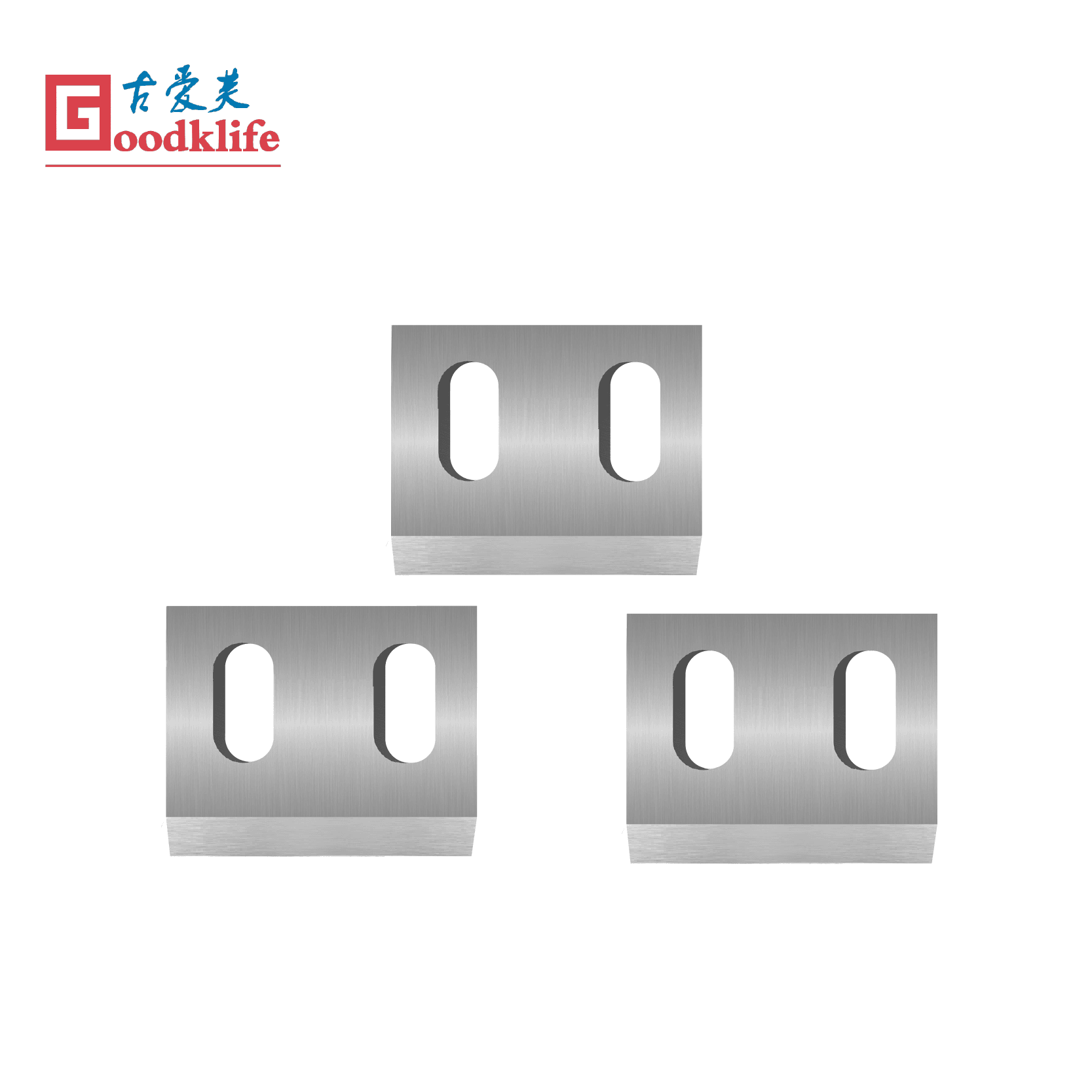
PGK-003
Bottle Granulator Insert Knife
Bottle Granulator Insert Knife is built for pet bottle granulation and bottle flake size reduction. Available in SKD11 / D2 / HSS / 9CrSi for clean regrind, stable clearance, and practical resharpening cycles. The insert-style format fits compact cutter seats and short replacement positions.
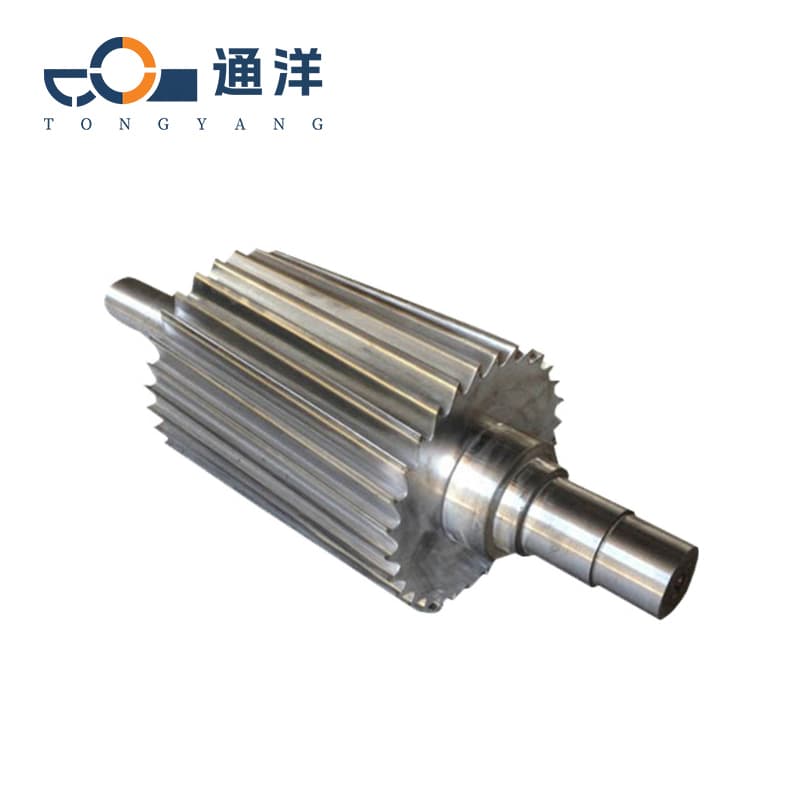
GBK-001
Granulator Bed Knife
Granulator Bed Knife is built for granulator bed knife replacement and pet bottle and rigid plastic grinding. Available in SKD11 / D2 / HSS / tungsten carbide for stable rotor clearance and consistent granulation quality. The insert-style format fits compact cutter seats and short replacement positions.
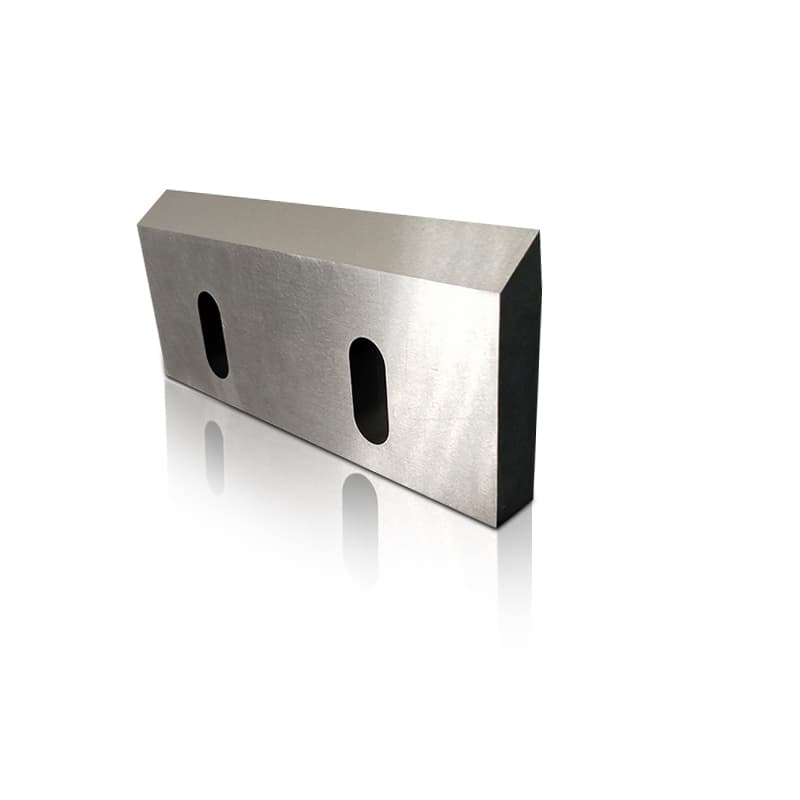
GBK-004
Granulator Stator Knife
Granulator Stator Knife is built for granulator bed knife replacement and pet bottle and rigid plastic grinding. Available in SKD11 / D2 for stable rotor clearance and consistent granulation quality. The insert-style format fits compact cutter seats and short replacement positions.
Related knife categories
Related articles
PET bottle recycling knives FAQ
What knives are normally used in a PET bottle recycling line?+
Are PET bottle crusher blades different from general plastic crusher blades?+
Which steel is best for PET bottle recycling knives?+
Can you quote from an old sample if we do not have an OEM drawing?+
Should we replace bed knives together with rotor knives?+
Do you support export orders to Southeast Asia?+
Need PET bottle recycling knives matched to your line?
Send your current blade photos, machine model if known, and the main production problem you are seeing. We will review the nearest crusher, granulator, bed-knife, or stator-knife fit for your PET bottle recycling line.