
Die-face and strand pelletizer knives: pellet quality fell, startup scrap rose, and cutter life dropped
When pellets turn inconsistent, startup takes longer, or the cutter set wears out too quickly, the commercial fix is usually a die plate + knife + machine-stage review, not a harder blade alone.
Typical field problems
- •Pellets look acceptable during steady running, but startup scrap, tails, dust, or pellet-length variation keep hurting sellable output.
- •The buyer only asked for replacement pelletizer knives, yet the real issue may sit in die plate condition, cutter contact, or machine-stage mismatch.
- •The line handles PP, PE, filled compounds, or recycled feed, so wear life and pellet consistency no longer match the last replacement batch.
Buyer conclusion first: if a pelletizing line starts producing long tails, uneven pellets, dusty trim, or excessive startup scrap, the first commercial decision is not simply “quote harder pelletizer blades.” The safer decision is to quote the pelletizer blade family together with the die-face or strand stage, the die plate condition, and the actual polymer duty. Official pelletizer manufacturers describe pellet quality as the result of a whole cutting system, not of a knife in isolation.
Machine-stage fit: dry-cut strand pelletizers, underwater pelletizers, hot-die pelletizers, and compounding lines with sensitive or filled materials do not ask the same thing from the knife edge. MAAG’s M-USG documentation frames outstanding pellet quality around the die head, strand guide, cutting gap accuracy, and a solid knife holder, while Coperion’s UG underwater pelletizer page ties long knife life and stable startup to optimized die-plate heating, wear-proof alloys, and the right throughput range. That is why buyers should identify the pelletizing stage before asking for a replacement cutter.
RFQ criteria: send the machine brand and model, pelletizing method, polymer family, whether the line is virgin, compounding, or recycling duty, the current die plate or cutter reference, the pellet defect you are seeing, and photos of the knife rotor or holder if available. Add throughput, die-hole count if known, and whether the issue appears at startup, after a few hours, or only near the end of knife life. For a fast commercial route, compare this page with our general pelletizing solution, the new PP and PE pelletizer application guide, the new pelletizer RFQ article, and the contact page.
Pelletizing buyers often arrive with a narrow parts request: “we need pelletizer blades,” “we need an EREMA-compatible cutter,” or “the die-face knife life is too short.” Those requests are commercially normal, but they hide the bigger diagnostic question. Is the line fighting a knife-material problem, an uneven cutter-to-die contact problem, a startup control problem, a contaminated recycled feed, or a stage mismatch between extrusion and pelletizing? The replacement path changes depending on the answer.
Coperion’s pelletizing brochure states that, in strand pelletizing, the strands are cut into regular cylindrical pellets between the stationary bed knife and the cutting rotor. The same brochure highlights dual-side bearing design for cutting-gap durability, quick cleaning, and pellet length regulation. That is useful buyer language because it shows why a plant that only buys a fresh rotor knife but ignores the bed knife, cutter gap, or cleaning condition can still keep the same pellet defect after restart.
MAAG’s T200 strand pelletizer sheet goes even further into the cutting interface. It describes a scissor-like cutting action, eccentric rotor-to-bed-knife adjustment for even cuts, and a solid-carbide bed knife with four usable edges. Those details matter in procurement because they separate three very different jobs: routine knife replacement, a more complete cutting-pair refresh, and a machine-stage review where the holder, feedroll behavior, or incoming strand control is already affecting pellet quality.
Underwater pelletizing introduces a different buying logic. MAAG’s M-USG brochure ties pellet quality to absolutely uniform melt distribution at the die head, strand conformity after discharge, high cutting-gap accuracy from a solid, gapless knife holder, and quick tool exchange. Coperion’s underwater pelletizer page adds that long die-plate and knife life depend on wear-proof material alloys and even intensive die-plate heating. So if the buyer complaint is “knives wear too fast,” the practical RFQ should still ask whether the die plate, heating behavior, and startup conditions are stable. Otherwise the next knife set may inherit the same failure pattern.
Practical selection by machine stage
If your line is a strand pelletizer on PP, PE, masterbatch, or filled compounds, the cutting pair and strand handling usually matter most. MAAG’s BAOLI S page positions strand pelletizers around consistently high pellet quality, very high machine availability, and wear-resistant cutting tools. If your line is underwater, the die head, knife holder, water flow, and startup stability move closer to the center of the RFQ. If the line is part of a compounding system, then the buyer should also state whether the product is filled, reinforced, abrasive, recycled, or sensitive to heat and shear, because that changes the safest wear-life strategy.
Why die plate information belongs in the knife RFQ
Some buyers hesitate to mention the die plate because they only want to replace knives this shutdown. That is understandable, but it still weakens the quote. MAAG’s SG-C die-head sheet describes absolute uniform melt distribution, short dwell time, simple cleaning, die plates with wear protection, and quick-access options for compounding and recycling lines. Those are not abstract process notes. They explain why a pelletizing line can show knife symptoms that actually begin upstream in the melt path, die plate, or startup scraper arrangement.
Common buyer-side symptoms and what they usually mean
Long tails and pellet-length variation often suggest contact, speed, or cutting-pair inconsistency before they suggest a metallurgy upgrade. Short life that appears only on filled or abrasive compounds points toward a wear-duty discussion, but it still belongs beside the machine-stage description and throughput. High startup scrap frequently means the buyer should describe startup method, strand behavior, and whether the line is underwater or dry-cut. “Noisy cutter” is useful language too, because it can point to gap condition, deposits, or uneven contact rather than to steel grade alone.
What a supplier should confirm before production
A credible pelletizer-knife quote should confirm the pelletizing method, knife geometry, knife count, mounting style, cutter-holder or rotor style, die plate or bed-knife interface, polymer family, filler or contamination level, expected throughput, and the actual defect the plant wants to remove. If the buyer only sends knife dimensions, the quote may still be possible, but the technical risk stays higher. If you are working from an old sample, say whether the sample comes from a line that was performing well or from a line that had already drifted into poor pellet quality.
How dealers and service teams can lower re-order risk
For dealers, aftermarket sellers, and service contractors, the best quoting structure is to separate the request into direct knife replacement, knife-plus-contact-surface review, or broader pelletizing-stage review. That framing makes it easier for the customer to understand why you are asking about die plate condition, startup scrap, pellet length, or abrasive duty. It also makes the commercial offer clearer when you are quoting trial sets, full shutdown sets, or recurring spare stock for a compounding line.
Internal routes to use before the RFQ
Start from our pelletizer blades category and compare representative products such as the EREMA and BKG-compatible pelletizer blade, tungsten carbide pelletizer blade, and fluted pelletizer cutter. If the line also uses densifying or cutter-compactor stages, compare the cutter-compactor knife category. If the feed is recycled film or regrind before pelletizing, review the PE film recycling guide and our factory workflow page as well.
FAQ: Do I need to quote the die plate if I only want replacement pelletizer knives?
If pellet quality changed or startup scrap increased, yes. Even if the immediate purchase is only the knife, the die plate and contact condition often explain why the last set failed commercially.
FAQ: What if I only know the machine brand and a worn sample?
That is common in aftermarket pelletizer work. Send the old sample, installed photos if possible, the polymer family, throughput, and the exact pellet defect. That is enough to start technical review.
FAQ: Which lines most often need this kind of review?
PP and PE compounding lines, recycling pelletizing lines, masterbatch production, and filled or reinforced compounds are common starting points because pellet quality and wear life both matter to sellable output.
FAQ: Which internal pages should I compare next?
Compare pelletizing and compounding, the PP/PE pelletizer application guide, the pelletizer RFQ article, pelletizer blades, and contact.
Primary sources used on this page: MAAG M-USG underwater pelletizing systems, MAAG T200 strand pelletizer, MAAG BAOLI S, MAAG SG-C die head, Coperion pelletizing brochure, and Coperion UG underwater pelletizer.
Example parts from our catalog
Close shapes for quoting—send ruler photos or drawings so the factory confirms fit before you lock in quantity.
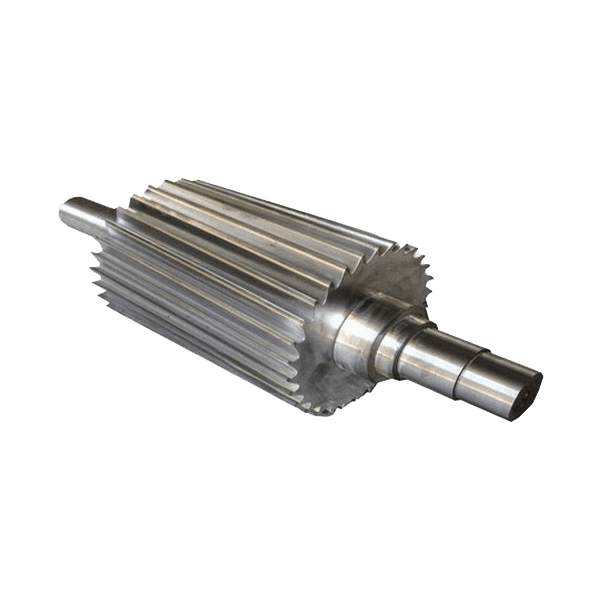
PPB-003
EREMA and BKG-Compatible Pelletizer Blade
EREMA and BKG-Compatible Pelletizer Blade is built for strand pelletizer knife replacement and die-face pelletizer maintenance. Available in SKD11 / D2 for clean pellet cut quality and steady service life. The profiled body suits fixed or rotary stations where alignment and edge exposure matter.
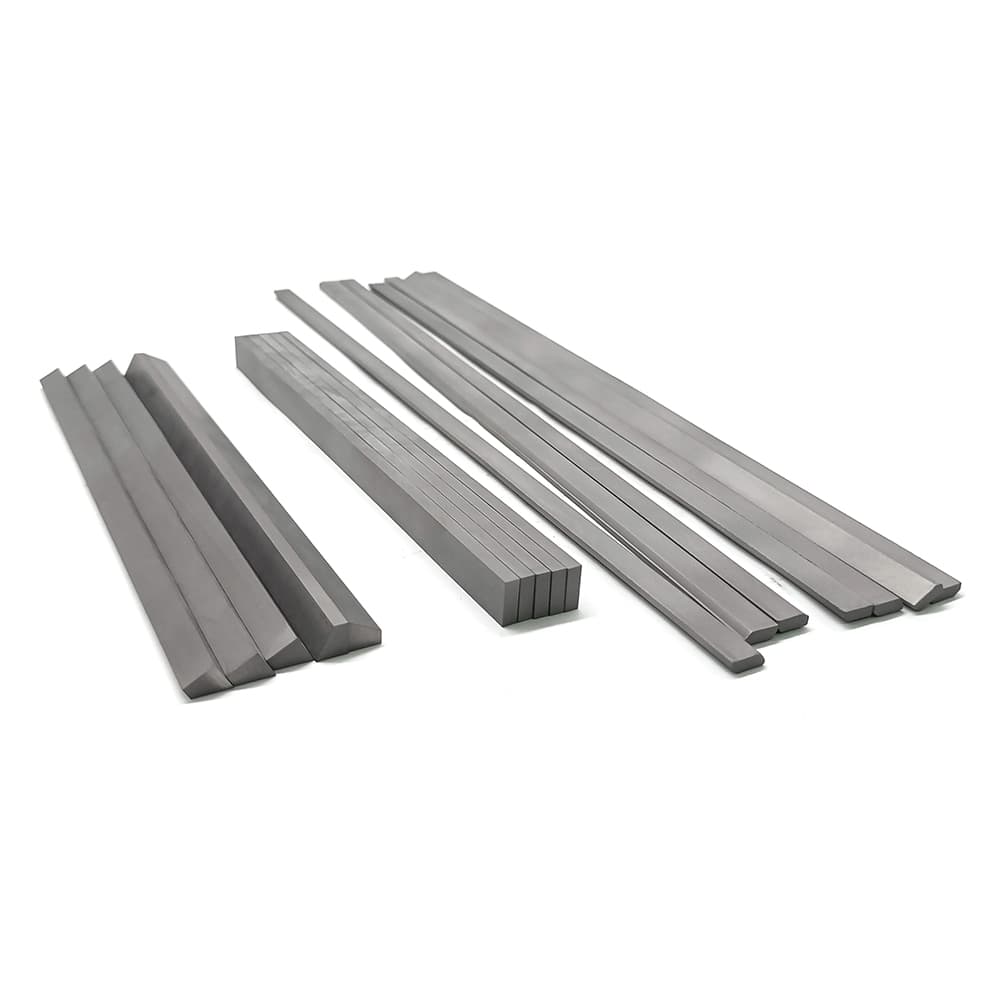
PPB-004
Tungsten Carbide Pelletizer Blade
Tungsten Carbide Pelletizer Blade is built for strand pelletizer knife replacement and die-face pelletizer maintenance. Available in Tungsten Carbide / Carbide for clean pellet cut quality and steady service life. The profiled body suits fixed or rotary stations where alignment and edge exposure matter.
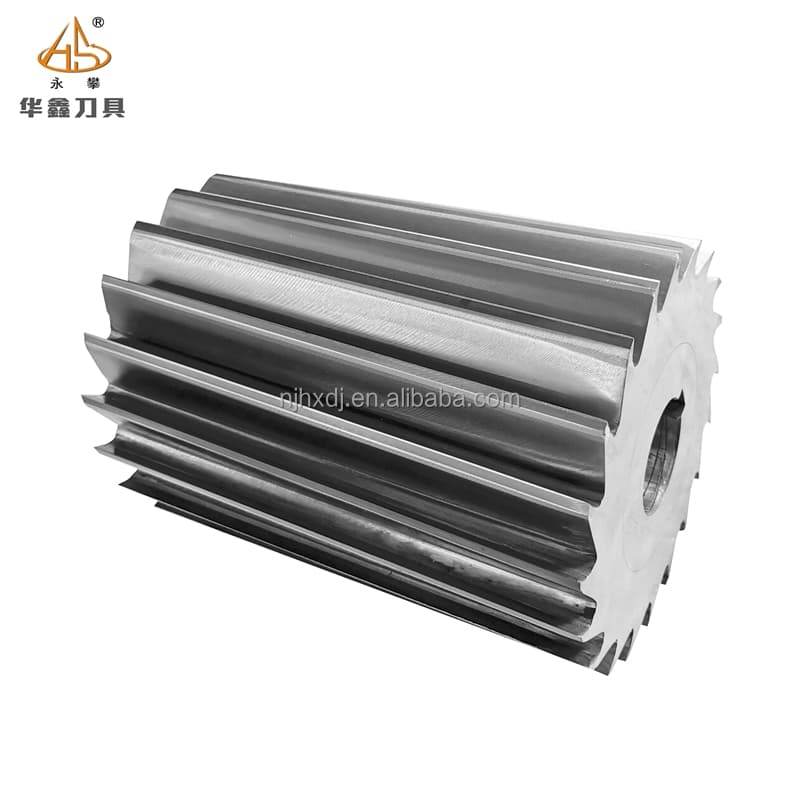
PPB-008
Fluted Pelletizer Cutter
Fluted Pelletizer Cutter is built for pelletizer head rebuilds and feed roller replacement. Available in D2 / SKD11 / M2 / HSS for clean pellet cut quality and steady service life. The profiled form matches rotating cutter drums, hob heads, or feed-roll assemblies.
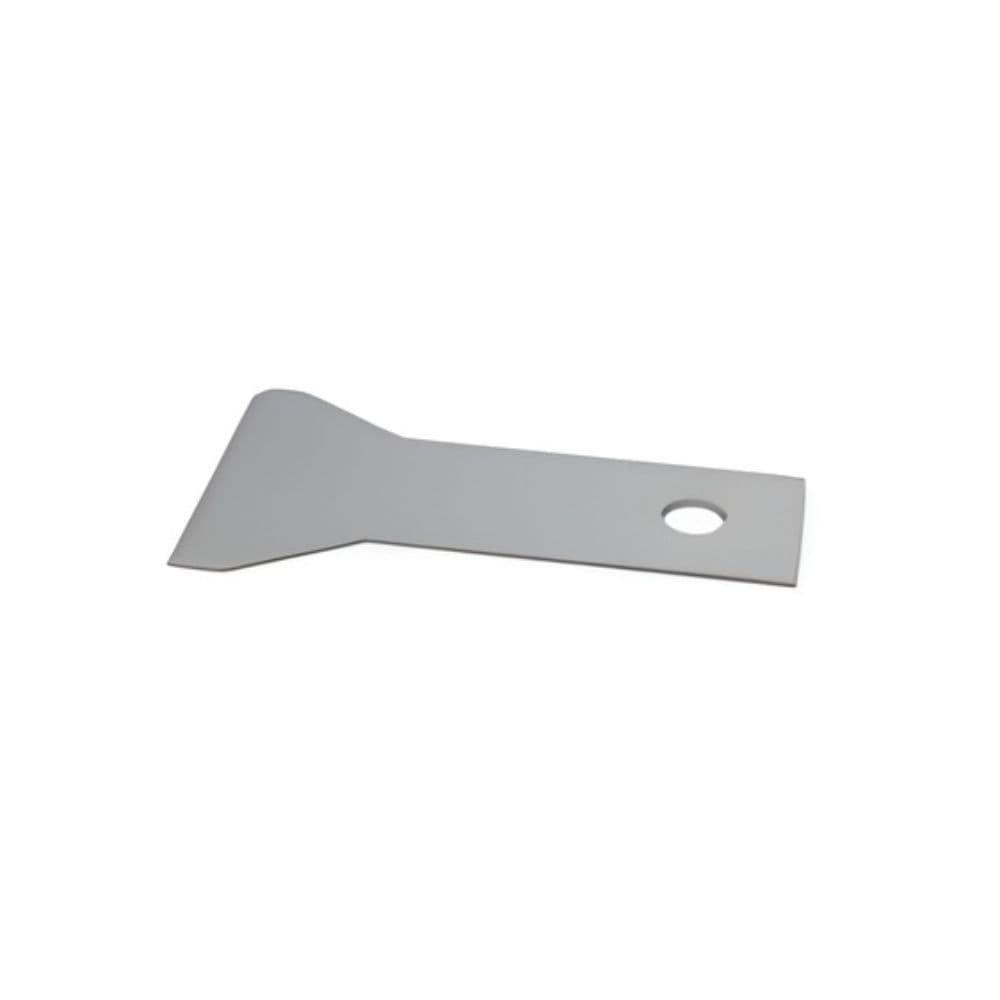
CCK-006
EREMA-Compatible Cutter Compactor Knife
EREMA-Compatible Cutter Compactor Knife is built for cutter compactor rotor replacement and film densifying systems. Available in D2 / SKD11 / HSS / alloy steel for impact resistance, heat control, and predictable regrinding. The straight edge format suits long bolt-on knife bars and clamp-mounted holders.
Related catalog categories
Deep reading
Pelletizer Knife RFQ Guide: What Buyers Should Send Before Ordering Replacement Cutters
A source-backed buyer guide for die-face and strand pelletizer knives: machine-stage fit, startup scrap signals, and the RFQ data that prevents repeat failures.
Read articleHow to Choose the Right Crusher Blade
Material grades, machine compatibility, and line type—plus where to find matching products in our catalog.
Read article
Need this applied to your line?
Mention this solution hub in your message so sales engineering opens the thread with the right checklist.