
Typical buyer problems behind the RFQ
- •The line starts making larger flakes, inconsistent intermediate size, or hotter granulator running after a knife change
- •The buyer has old knives and dimensions, but cannot tell whether the real issue belongs to the shredder stage, crusher stage, or fixed-side setup
- •The feed changed from clean in-house blow-molding scrap to post-consumer drums or caged IBCs, but the RFQ still asks only for the old part number
- •Maintenance needs a low-risk export quote that covers container type, stage duty, and downstream flake target together
Buyer conclusion: quote by stage, container construction, and downstream flake target
The safest way to buy knives for IBC totes and HDPE drums is to quote by machine stage, container construction, and the output the plant is trying to protect. That is different from a generic rigid-plastic RFQ. A composite IBC with a blow-molded HDPE tank, steel grid, and pallet does not behave like a plastic-only tank or a clean HDPE drum. The cutting chamber sees hollow bodies, support structures, possible residual contents, and different wall behavior.
WEIMA U.S. explicitly describes common IBC packaging as a composite of HDPE tank, steel grid, and pallet, and it separately describes PE or HDPE drums and canisters. That buyer language matters. If the line handles composite IBCs, say so. If the line handles plastic-only tanks or blow-molding rejects, say that instead. The quotation changes because the safest knife family, stage logic, and next-stage expectation all change with container construction.
Before asking for price only, compare our IBC oversize-flake solution, the new IBC RFQ article, and the contact page. Those internal routes help keep the RFQ tied to the actual stage and actual buying target.
Where the knives fit in an IBC and drum line
Official sources consistently frame this material stream as stage-based size reduction. WEIMA presents shredding as the first step, then shows washing, drying, extrusion, and reuse after the size-reduction stage. Vecoplan positions the VDZ as a combined shredder-granulator for start-up lumps, large-volume components, IBCs, canisters, and drums that still need a defined output grain size. ZERMA and the ZIS datasheet point to large hollow products and machined pockets as a specific shredder duty.
- Single-shaft shredder knives are the first buying decision when whole IBC tanks, drums, or bulky hollow rejects are too large or too awkward for direct granulation.
- Crusher blades belong in the next reduction stage when the first cut has already opened the container and the plant now needs a more stable intermediate size.
- Granulator bed, fixed, and stator knives matter when the output already needs more controlled flake size, lower heat, and better downstream process stability.
This site should be used for those knife stages, not for non-knife equipment such as washing tanks, dryers, or metal separators. Mention downstream equipment when it explains the complaint, but keep the RFQ focused on the knife positions that Leader Blades actually supplies.
Why IBC tanks, drums, and blow-molding rejects change the knife route
Rigid hollow containers change the knife route more than many buyers expect. A plastic-only IBC tank may need a different first-stage strategy from a composite IBC that still includes the steel cage. A clean in-house blow-molding reject may be much easier to quote than a post-consumer drum that arrives dirty, partially filled, or mixed with other bulky plastics. WEIMA explicitly mentions that clean IBC recycling, contaminated IBC processing, and in-house blow-molding waste are different real use cases. It also notes large hollow bodies and direct in-house grinding of squeeze-off edges, slugs, and deformed containers.
ZERMA adds another practical clue for buyers: the ZIS series is positioned for voluminous large hollow products such as barrels or IBCs, with machined knife pockets and turnable square knives. That is not just technical detail. It means the line duty already assumes bulky hollow feed and the need to manage chamber volume, support, and maintenance in a way that smaller rigid-plastic scrap does not.
So the RFQ should not say only "rigid plastic" if the plant is really buying for composite IBCs, plastic drums, canisters, or blow-molded rejects. Name the container type and whether it is clean, contaminated, caged, or already pre-cut. That single detail often changes the safest quotation path.
How common line symptoms point to the correct knife stage
Buyers often describe the problem in plant language: the shredder no longer bites cleanly, the crusher sees awkward pieces, the granulator runs hot, or the final flake is too large and inconsistent. Those symptoms are useful if they are tied to the correct stage. Poor bite, bridging, or difficulty opening whole hollow bodies usually belongs to the first shredding stage. Irregular intermediate size after the first opening cut often belongs to the crusher stage. Heat, fines, and unstable flake size at the end of the line often point to granulator knives, fixed-side condition, or the gap logic of the last cutting stage.
That is why the RFQ should say where the complaint first appears and whether the next stage is also underperforming. A shredder complaint that now causes a hotter granulator is no longer only a shredder complaint. A granulator complaint that started after the feed changed from clean internal scrap to post-consumer drums may no longer be only a granulator problem. Good RFQs connect the symptom to the stage and to the handoff into the next stage.
Practical selection notes for buyers, dealers, and maintenance teams
The safest commercial structure in this category has three levels. Level one is direct replacement because the line is healthy and the plant only needs recurring spares. Level two is stage review because feed mix, contamination level, or output quality changed and the current knife family may no longer fit the job. Level three is line review because the complaint now links shredder, crusher, and granulator together or because the plant has tightened the downstream flake target.
Dealers and service teams should also say whether the job is urgent shutdown coverage, planned spare stock, or a trial batch to validate geometry. That context matters. A technically correct knife can still be the wrong commercial choice if the order is really a trial, a geometry review, or a wider stage-fit problem. When in doubt, shortlist the nearest product pages from our single-shaft shredder knife category, crusher knife category, and granulator fixed-knife category, then send the photos and line notes together.
What to send for a fast IBC and drum knife quotation
The fastest low-risk RFQs combine part geometry with line context. Send these items in the first message whenever possible:
- Machine brand and model, plus the exact stage if known.
- Container type: composite IBC, plastic-only tank, HDPE drum, canister, or blow-molding reject.
- Whether the IBC still arrives with steel cage and pallet or has already been separated.
- Current symptom: poor bite, bridging, oversize flakes, one-sided wear, broken corners, hot granulator, or more fines.
- Target output: coarse reduction only, wash-line feed, stable regrind, or preparation for extrusion and reuse.
- One face photo with a ruler, one side-profile photo, one installed photo, and one photo of the next stage if the complaint continues there.
- Whether the order is direct replacement, trial batch, emergency shutdown stock, or a broader technical review.
If you only have worn samples, say that directly. That is normal in aftermarket work. Clear photos plus the real line symptom are usually enough to start a serious review. When you are ready, send the details through the RFQ form and compare representative parts such as the hard-plastic single-shaft shredder knife, plastic crusher plate knife, fixed plastic crusher knife, granulator bed knife, and granulator fixed knife.
Representative parts for this line
Use the closest shape below as your RFQ reference, then send dimensions or old-blade photos for fit review.
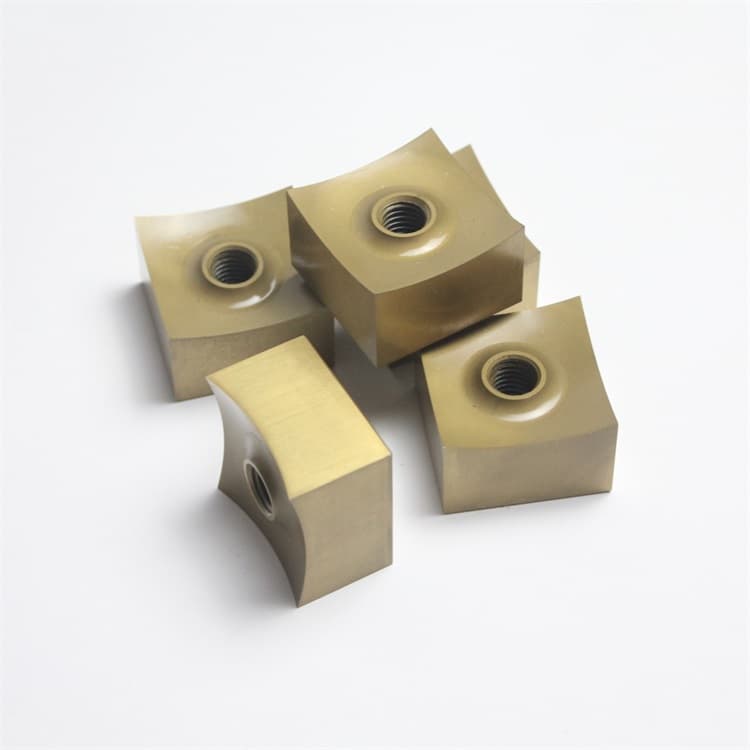
SSK-006
Hard Plastic Single-Shaft Shredder Knife
Hard Plastic Single-Shaft Shredder Knife is built for single-shaft shredders and film and woven bag shredding. Available in D2 / SKD11 / carbide-tipped alloy steel for wear resistance and repeated indexing in shredder rotors. The cutter geometry suits stacked shredder rotors and indexable cutter assemblies.
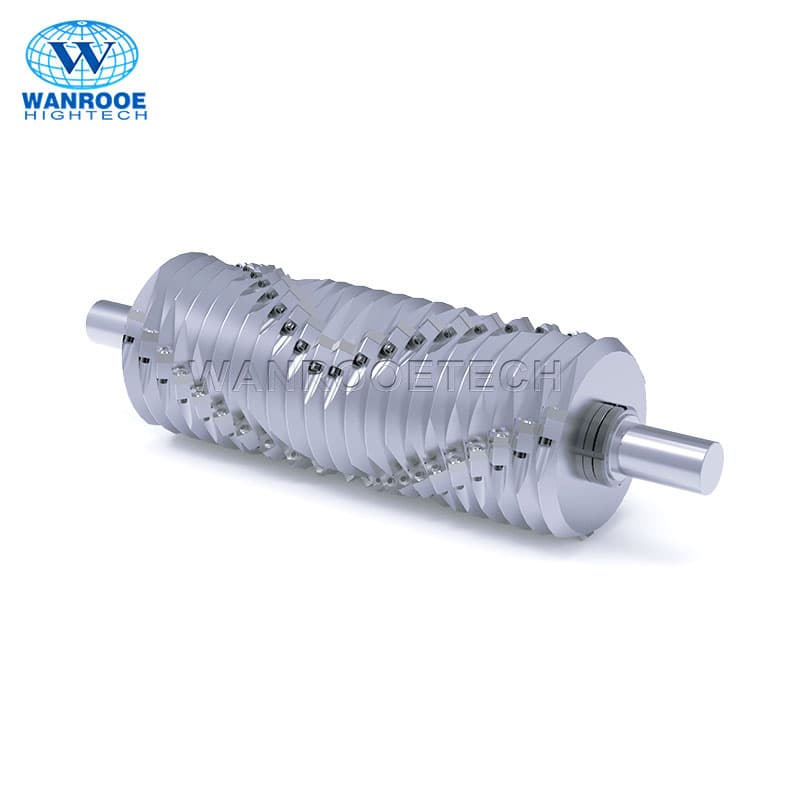
SSK-002
Plastic Single-Shaft Shredder Knife
Plastic Single-Shaft Shredder Knife is built for single-shaft shredders and film and woven bag shredding. Available in D2 / SKD11 / carbide-tipped alloy steel for wear resistance and repeated indexing in shredder rotors. The cutter geometry suits stacked shredder rotors and indexable cutter assemblies.
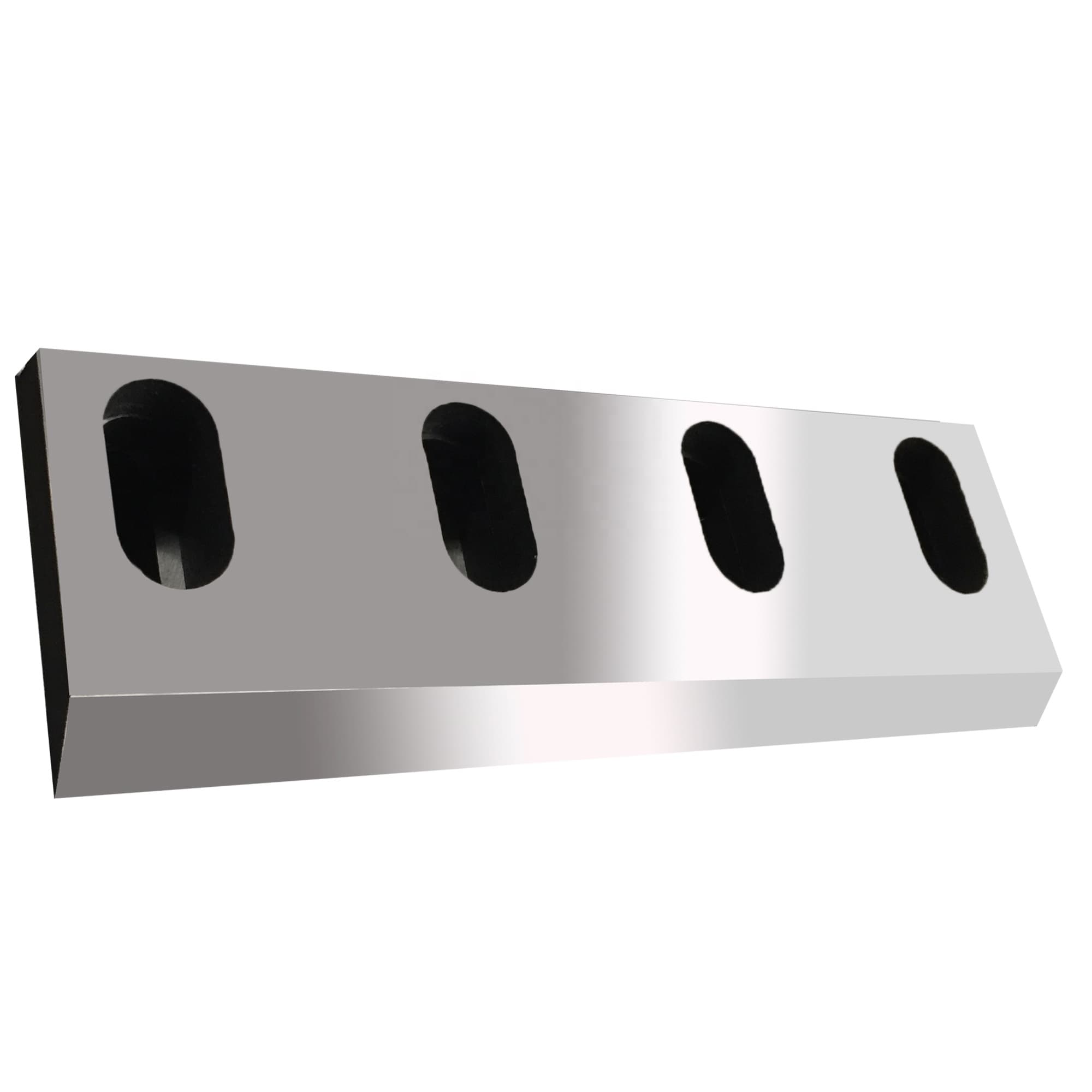
PCB-002
Plastic Crusher Plate Knife
Plastic Crusher Plate Knife is built for pet bottle crushing lines and rigid plastic size reduction. Available in SKD11 / 9CrSi for wear resistance, stable knife clearance, and repeatable sharpening. The straight edge format suits long bolt-on knife bars and clamp-mounted holders.
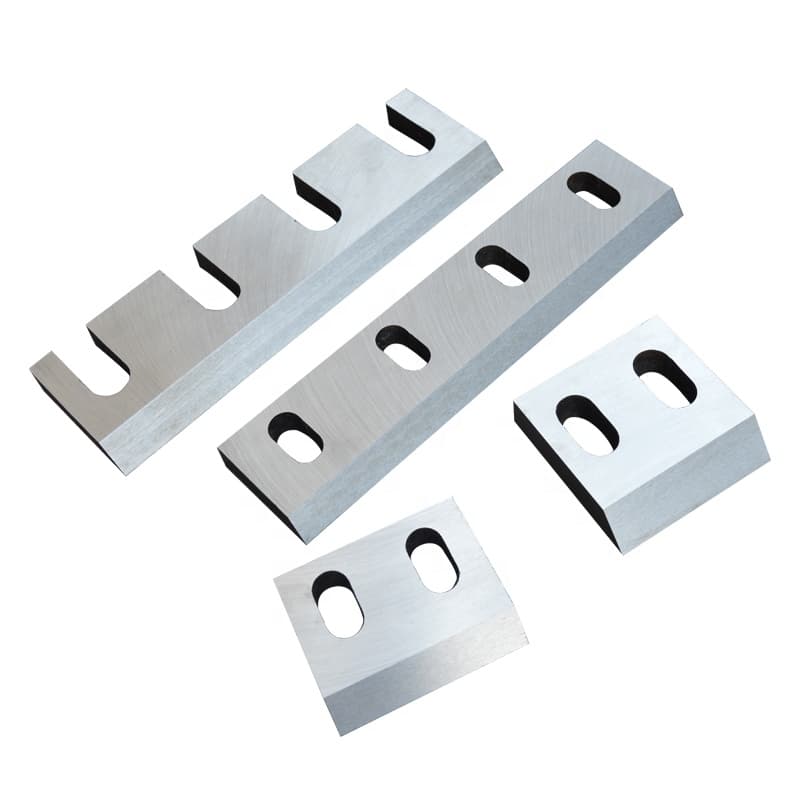
PCB-010
Fixed Plastic Crusher Knife
Fixed Plastic Crusher Knife is built for pet bottle crushing lines and rigid plastic size reduction. Available in D2 / SKD11 / Cr12MoV / HSS for wear resistance, stable knife clearance, and repeatable sharpening. The insert-style format fits compact cutter seats and short replacement positions.
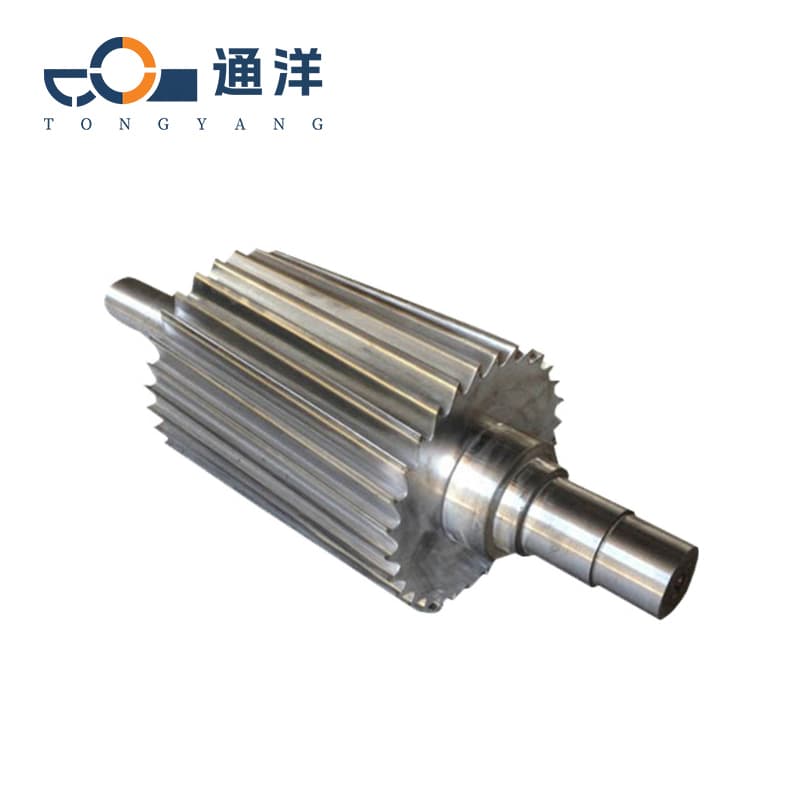
GBK-001
Granulator Bed Knife
Granulator Bed Knife is built for granulator bed knife replacement and pet bottle and rigid plastic grinding. Available in SKD11 / D2 / HSS / tungsten carbide for stable rotor clearance and consistent granulation quality. The insert-style format fits compact cutter seats and short replacement positions.
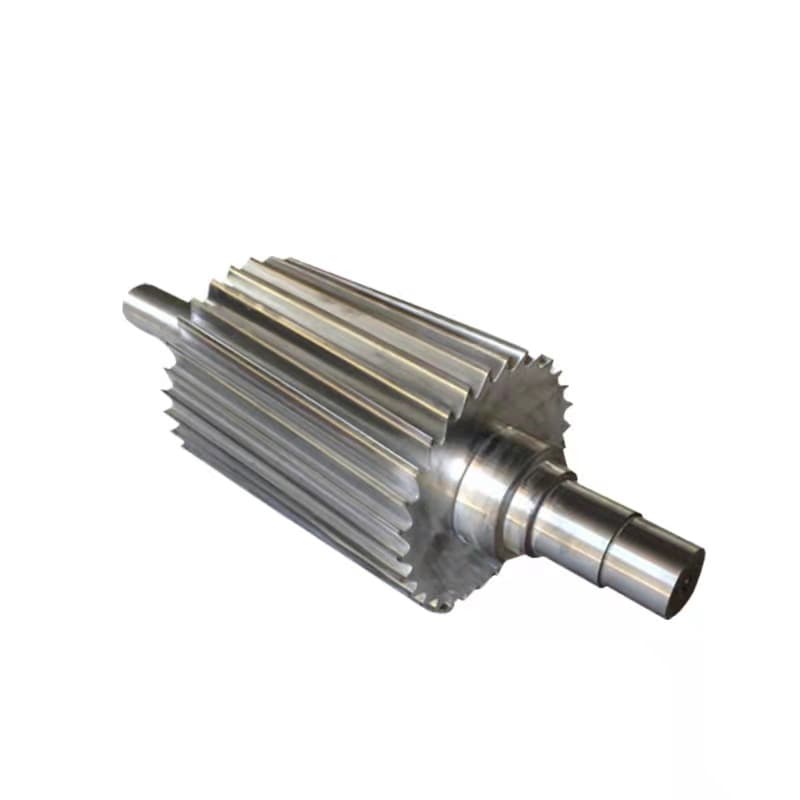
GBK-005
Granulator Fixed Knife
Granulator Fixed Knife is built for granulator bed knife replacement and pet bottle and rigid plastic grinding. Available in SKD11 / D2 / HSS / tungsten carbide for stable rotor clearance and consistent granulation quality. The profiled body suits fixed or rotary stations where alignment and edge exposure matter.
Related knife categories
Related articles
IBC and Drum Knife RFQ Guide: What Buyers Should Send Before Ordering Shredder, Crusher, or Granulator Knives
A source-backed buyer guide for IBC tote and HDPE drum recycling knives: machine-stage fit, container type, downstream flake target, and the RFQ details that reduce wrong-fit reorders.
Read articleGranulator Knife Gap Checklist: Reduce Dust, Fines, and Noise
A practical rotor-to-bed-knife inspection flow for recyclers seeing dusty regrind, noisy cutting, or repeated knife damage after a blade change.
Read articleFAQ for IBC tote and HDPE drum recycling knives
Should the RFQ identify the exact machine stage?+
Do buyers need to mention whether the feed is composite IBC, plastic-only tank, or HDPE drums?+
Can you start from worn samples and phone photos?+
Why can oversize flakes return even when the replacement part matches the old knife?+
Which internal pages should buyers compare next?+
Primary sources behind this application guide
These official sources define how IBCs, drums, canisters, and other large hollow rigid-plastic containers are reduced by stage before washing, regrind handling, or reuse.
WEIMA
IBC recycling overview
Explains shredding as the first step in IBC recycling and links the output to washing, drying, extrusion, and reuse.
View sourceWEIMA U.S.
IBC tote and plastic drum recycling
Defines common IBC construction, plastic drums and canisters, and explains composite IBC recycling plus in-house blow-molding scrap handling.
View sourceVecoplan
VDZ combined shredder granulator
Positions IBCs, canisters, drums, and bulky plastic start-up waste in a two-stage shredder-granulator workflow for a desired grain size.
View sourceZERMA
Single-shaft shredder overview
Frames large hollow products such as barrels and IBCs as a specific shredder duty rather than generic rigid scrap.
View sourceZERMA
ZIS shredder datasheet
Adds buyer-relevant details such as machined knife pockets, turnable square cutters, and internal-ram design for large-volume hollow products.
View sourceNeed a quote for IBC tote or HDPE drum recycling knives?
Send the stage, container type, target output, current symptom, and old-knife photos. We can review whether the safest path is direct replacement, stage review, or wider line-fit support.