
Film pelletizing lines: cutter-compactor knives run hot, agglomerate drifts, and pellets turn inconsistent
When washed or dried film starts feeding unevenly, compactor amps rise, and pellet quality drifts, the safest RFQ is a cutter-compactor plus pelletizer-stage review, not a knife-only reorder.
Typical field problems
- •The line still runs, but cutter-compactor amps climb, intake becomes unstable, and the operator starts opening process windows just to keep material moving.
- •The buyer asks for one replacement knife part number, but the real failure may sit between wet-flake consistency, compactor friction, knife geometry, and pelletizer-stage stability.
- •Post-consumer film, printed film, or washed flakes changed the duty, yet the plant is still buying knives as if the line were clean in-house scrap.
Buyer conclusion first: when a film repelletizing line starts showing hot cutter-compactor knives, unstable agglomerate, smoke or odor during densifying, or inconsistent pellets downstream, the safest commercial decision is usually to review the cutter-compactor knife family together with the pelletizer cutter stage. Official film-recycling machine builders repeatedly describe process stability as the result of intake, preconditioning, compacting, filtering, and pelletizing working together. A knife-only reorder can fit the holder and still leave the line unstable.
Machine-stage fit: the practical buying logic changes depending on whether the line is handling washed PE film flakes, pallet wrap, printed film, agricultural film, raffia scrap, or cleaner in-house edge trim. EREMA's post-consumer recycling page frames heavy contamination and mixed, damp material as a process-stability challenge and specifically links quality, productivity, and energy efficiency to preconditioning and filtration. Herbold's plastcompactor page explains that friction at and between the compactor discs warms, dries, and compacts the material while improving bulk weight and flow characteristics. That is why a film-line RFQ should start with the real machine stage and the real feed state, not with outer knife dimensions alone.
RFQ criteria and commercial decision logic: send the machine brand and model, the feed description, whether the film is washed or dry, the symptom you are seeing, the current knife reference if known, and photos of the installed cutter, rotor, fixed side, and material behavior at the intake. Add whether the instability begins in the film size-reduction and washing route, inside the cutter-compactor, or only once the material reaches the pelletizer. If pellet quality, tails, or startup scrap changed too, compare this page with our pelletizer wear solution, our pelletizer RFQ guide, and the contact page before ordering.
Film lines are commercially tricky because the visible complaint is often not the first failure point. Buyers say the compactor smells hot, the material looks over-worked, the pellets drift, or the operator keeps lowering throughput to survive the shift. Those are useful symptoms, but they do not automatically mean the knife steel is wrong. They may point to unstable intake, variable moisture, friction behavior in the compactor, a worn fixed side, or a downstream pelletizer cutter that is no longer matching what the compactor is delivering.
EREMA explicitly highlights enhanced material intake, greater flexibility, and higher throughput from its Counter Current preconditioning concept. It also describes triple degassing, filtering, homogenizing, and energy-saving benefits for post-consumer film duties. That matters for procurement because it shows why the cutter-compactor stage cannot be treated as a generic knife holder. If the buyer does not identify whether the problem is material intake, friction behavior, degassing-related contamination, or pelletizing quality, the next knife order may only remove one symptom while the process still drifts.
Herbold makes the same commercial point from another angle. Its compactor guidance is centered on extreme materials such as stretch film and foam, where adequate drying by mechanical and thermal means is otherwise difficult, and it says compacting improves bulk weight and flow characteristics. For a replacement-knife RFQ, that means the supplier should ask whether the plant is fighting poor intake, bridging, wet flakes, low bulk density, or unstable feeding into extrusion. Those answers matter as much as the knife length or bolt pattern.
Starlinger's recoSTAR dynamic line is another useful buyer reference because it positions film recycling around stable repelletizing for demanding post-consumer and post-industrial duties. Even when the exact hardware family differs from your line, the commercial lesson is the same: film recycling performance is defined by stage coordination. If the compactor knife, fixed knife, and pelletizer cutter are quoted as unrelated parts, the plant often ends up optimizing around the wrong restriction.
Practical selection by machine stage
If your main complaint is unstable intake, rising amps, and visible heating before extrusion, start with the cutter-compactor knife, the rotary counterpart, and the fixed-side condition as one review. If the compactor output looks acceptable but pellets show tails, dust, or inconsistent length, then move the RFQ toward the pelletizer cutter and the die-side or bed-side contact condition. If the line handles mixed film, woven-bag scrap, or printed material, compare the film route with our woven-bag and raffia application guide because the duty may be tougher than a clean-film spare strategy assumes.
When the supplier should quote the cutter-compactor and pelletizer together
Quote both stages together when the buyer sees compactor heat plus pellet-quality drift, when startup scrap increased after a knife change, when production staff widened settings just to keep throughput alive, or when the duty moved from in-house scrap to washed post-consumer film. Those are stage-coupling signals. In those cases, the safe RFQ is not “one replacement knife.” It is a commercial review of what the compactor is handing to the pelletizer and whether the cutter families still match that duty.
What to send for a lower-risk RFQ
Send one photo of the knife face with a ruler, one installed photo inside the compactor, one side-view showing bevel direction, one photo of the fixed or counter side, and one process photo or short note describing the film condition. Add machine model, throughput range, whether the feed is washed film flakes or dry scrap, whether odor or smoke appears, and whether the pellets changed at the same time. If you have an old sample, say whether it came from a period when the line was running well or from a period that was already unstable.
Common buyer-side mistake
The most common mistake in this category is buying a “same-shape” cutter-compactor knife while ignoring the actual feed change. Plants switch from cleaner in-house film to printed post-consumer film, from drier material to wetter flakes, or from lower throughput to more aggressive line loading. The old knife geometry may still fit, but the commercial context has changed. Another common mistake is replacing only the cutter-compactor side when the downstream pelletizer is already telling you that the cut is no longer clean.
Internal routes to review before ordering
Compare our cutter-compactor and agglomerator knife category, the agglomerator straight knife, the EREMA-compatible cutter-compactor knife, the fluted pelletizer cutter, the PE film application page, our maintenance article, and the RFQ form. Those internal links matter because film lines usually fail across categories, not inside one SKU family.
FAQ: Do I need to quote the pelletizer cutter if the heat problem starts in the cutter-compactor?
If pellets, startup scrap, or cutter noise also changed, yes. The compactor may still be the first symptom, but the downstream pelletizer tells you whether the stage-to-stage handoff is still healthy.
FAQ: Can I replace only one knife in the compactor?
Only if the holder design and wear pattern support that. Many film lines perform better when the paired cutting surfaces are reviewed together instead of mixing one fresh edge with one worn mating surface.
FAQ: What if my film feed is wetter or dirtier than before?
Say that in the first RFQ message. Official OEM references for post-consumer film lines treat damp and contaminated material as a stability issue, so the supplier needs that context before recommending a knife strategy.
FAQ: What is the minimum evidence I should send?
Machine model, installed photos, one measured knife photo, the feed description, and the actual symptom are enough to begin technical review. A worn sample helps, but it is not the only way to start.
Primary sources used on this page: EREMA post-consumer recycling, Herbold agglomeration with compactors, and Starlinger recoSTAR dynamic.
Example parts from our catalog
Close shapes for quoting—send ruler photos or drawings so the factory confirms fit before you lock in quantity.
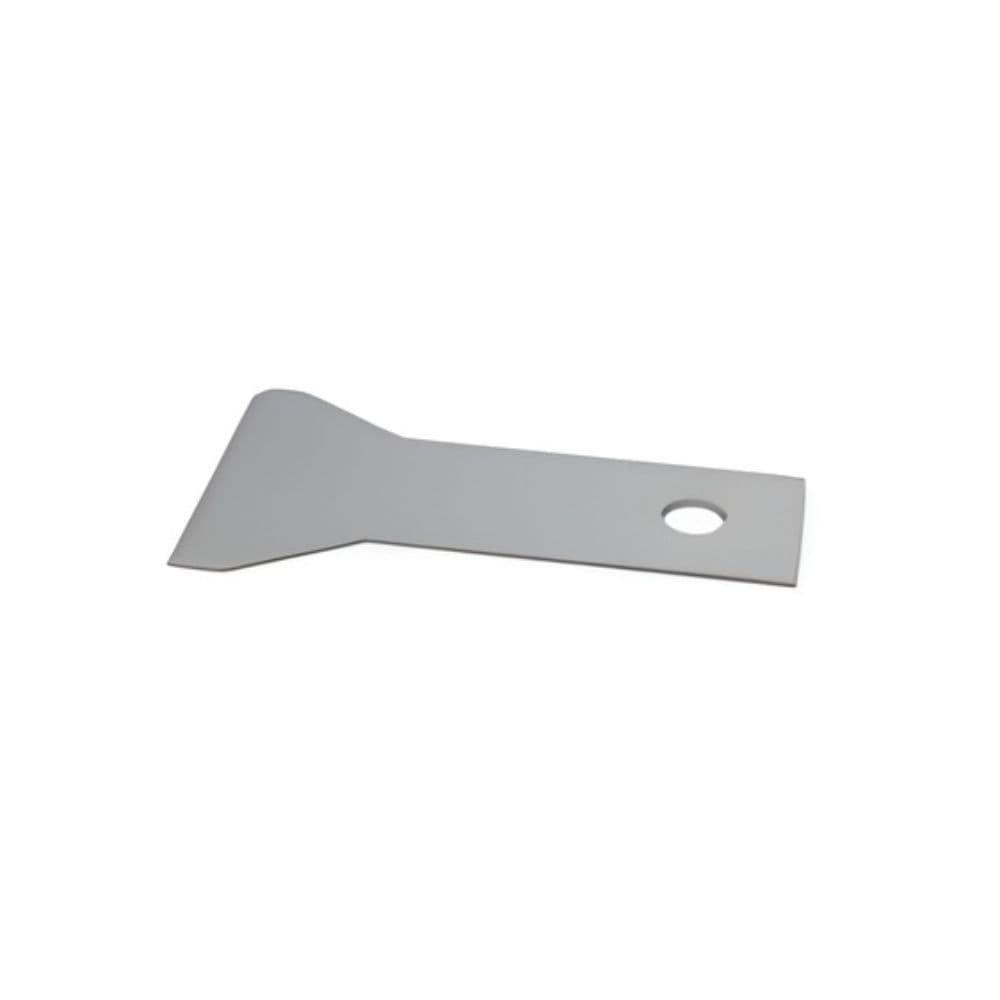
CCK-006
EREMA-Compatible Cutter Compactor Knife
EREMA-Compatible Cutter Compactor Knife is built for cutter compactor rotor replacement and film densifying systems. Available in D2 / SKD11 / HSS / alloy steel for impact resistance, heat control, and predictable regrinding. The straight edge format suits long bolt-on knife bars and clamp-mounted holders.
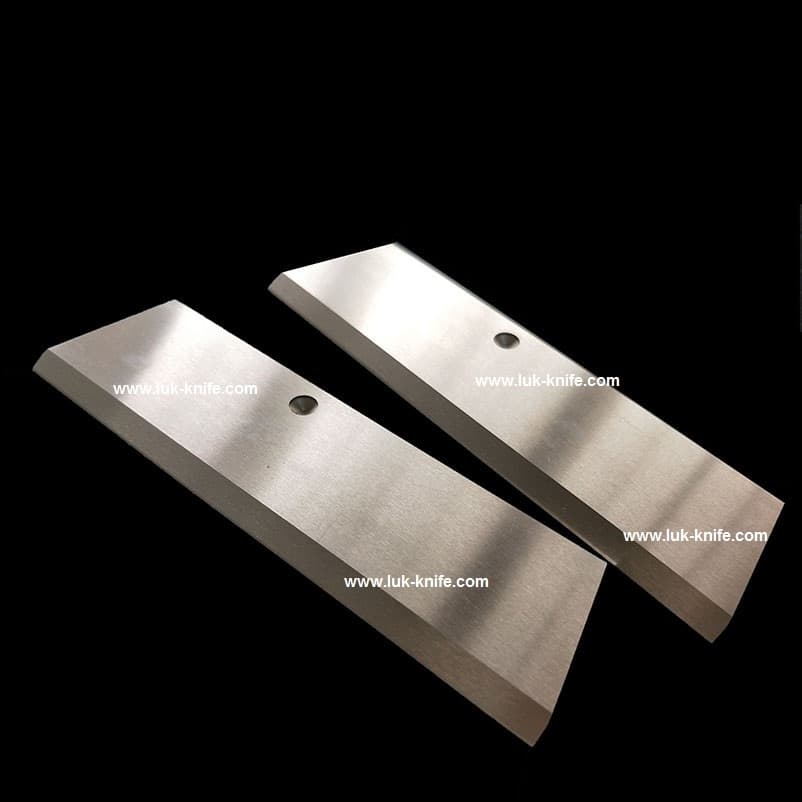
CCK-002
EREMA-Compatible Cutter Compactor Rotary Knife
EREMA-Compatible Cutter Compactor Rotary Knife is built for cutter compactor rotor replacement and film densifying systems. Available in SKD11 / D2 for impact resistance, heat control, and predictable regrinding. The profiled body suits fixed or rotary stations where alignment and edge exposure matter.
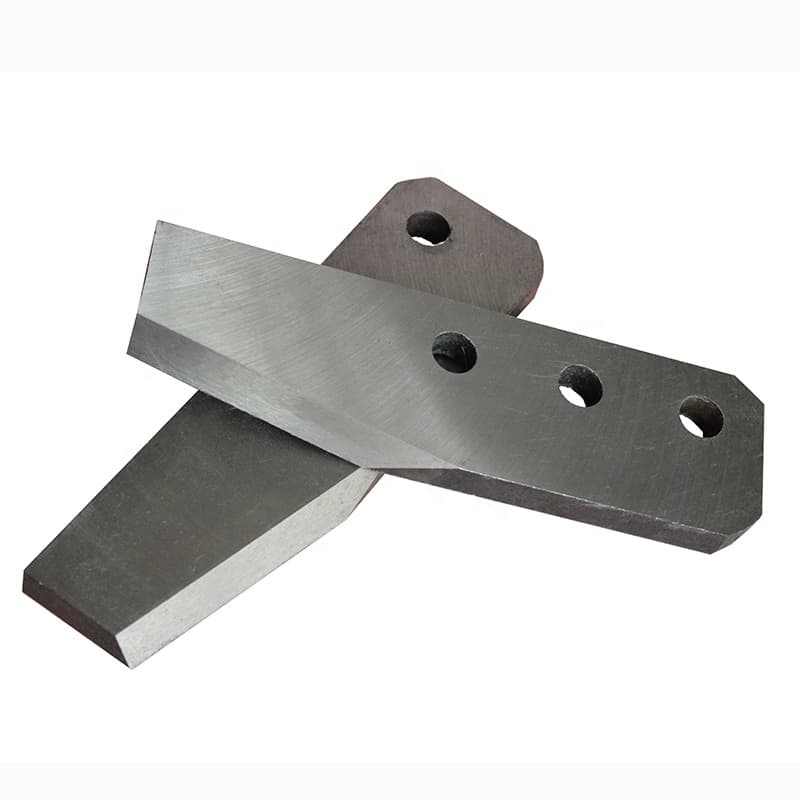
CCK-001
Agglomerator Straight Knife
Agglomerator Straight Knife is built for film agglomeration lines and plastic densifying and compaction. Available in H13 for impact resistance, heat control, and predictable regrinding. The profiled body suits fixed or rotary stations where alignment and edge exposure matter.
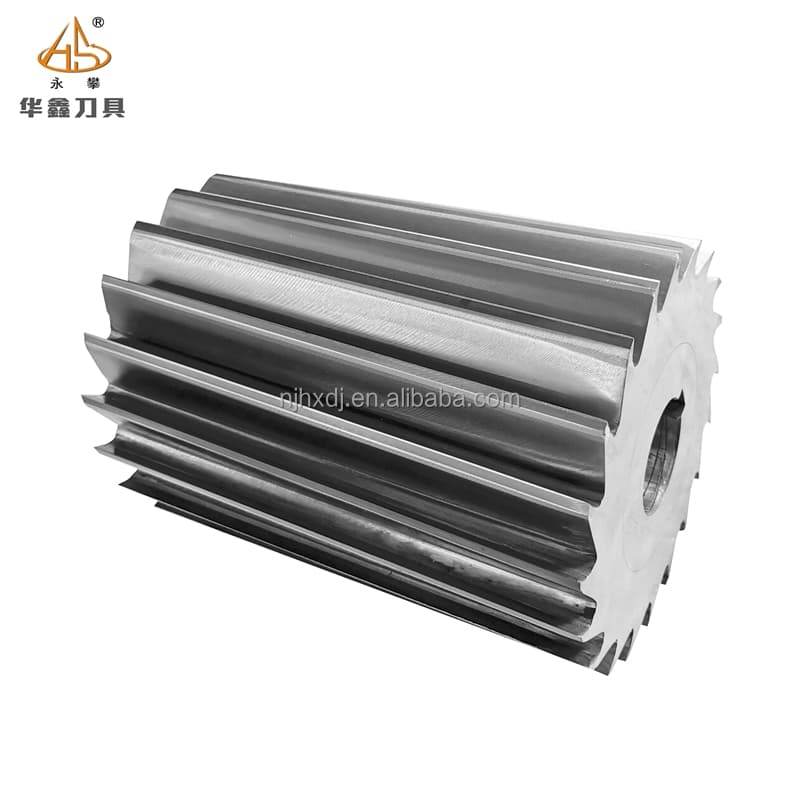
PPB-008
Fluted Pelletizer Cutter
Fluted Pelletizer Cutter is built for pelletizer head rebuilds and feed roller replacement. Available in D2 / SKD11 / M2 / HSS for clean pellet cut quality and steady service life. The profiled form matches rotating cutter drums, hob heads, or feed-roll assemblies.
Related catalog categories
Deep reading
Pelletizer Knife RFQ Guide: What Buyers Should Send Before Ordering Replacement Cutters
A source-backed buyer guide for die-face and strand pelletizer knives: machine-stage fit, startup scrap signals, and the RFQ data that prevents repeat failures.
Read articleBlade Maintenance Tips for Longer Life
Inspection intervals, alignment checks, and cleaning—for granulators, crushers, and shredders.
Read articleGranulator Knife Gap Checklist: Reduce Dust, Fines, and Noise
A practical rotor-to-bed-knife inspection flow for recyclers seeing dusty regrind, noisy cutting, or repeated knife damage after a blade change.
Read article
Need this applied to your line?
Mention this solution hub in your message so sales engineering opens the thread with the right checklist.