Leader Blades — logoLeader Blades
All Products

Pelletizer Knives and Cutters

Strand, die-face, and compatible pelletizer knives and cutters for recycling and compounding lines.

Strand pelletizingDie-face pelletizingPelletizer head rebuildsPP/PE/PET reprocessing lines

Research-led category guidance

Pelletizer Knives and Cutters buying and troubleshooting guide

Official pelletizing literature from Coperion and MAAG treats the cutter package as part of pellet quality control, not just a spare part at the end of the line. Their documentation repeatedly points to the rotating cutter, the stationary bed knife, feed stability, and cutter-fixture rigidity as practical factors behind pellet shape, cut consistency, and maintenance behavior.

What buyers should confirm before ordering pelletizer blades

  • Pelletizer type: strand, underwater strand, or die-face
  • Polymer family and whether the material is recycled, filled, or contamination-sensitive
  • Current defect: tails, fuzzy pellets, inconsistent pellet length, fast wear, or poor cut consistency
  • Blade size, hole pattern, mounting style, and whether the station also needs a bed-knife or holder review
  • Whether the line runs high-output compounding, recycling, or post-filtration pelletizing
  • Any known OEM compatibility requirement such as EREMA, BKG, MAAG, or equivalent systems
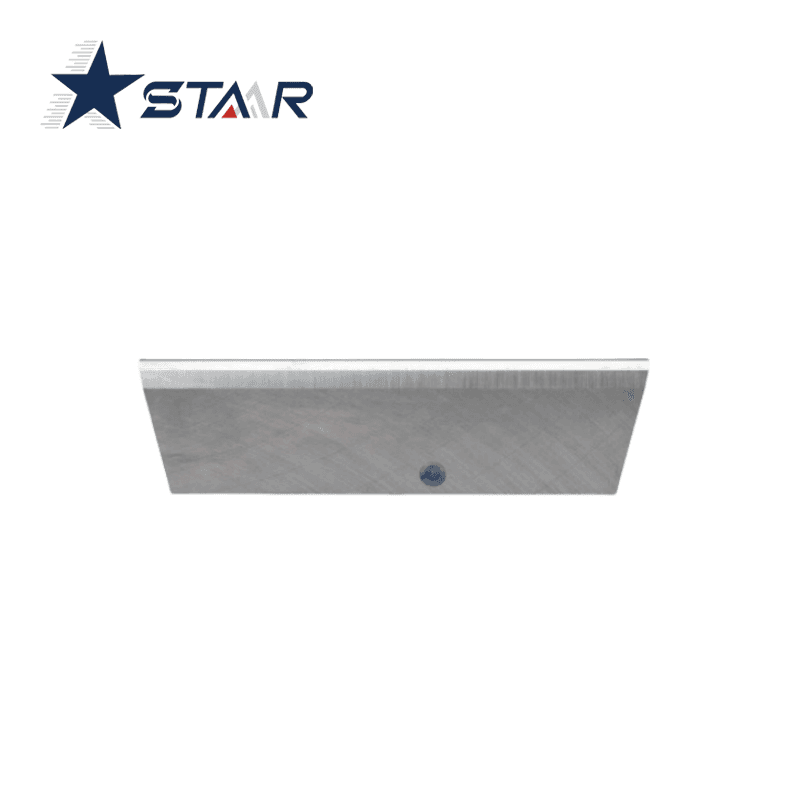
EREMA and BKG-Compatible Pelletizer Insert Blade — Pelletizer Knives and Cutters — D2 / SKD11 / M2 / HSS | Leader Blades
PPB-001

EREMA and BKG-Compatible Pelletizer Insert Blade

EREMA and BKG-Compatible Pelletizer Insert Blade is built for strand pelletizer knife replacement and die-face pelletizer maintenance. Available in D2 / SKD11 / M2 / HSS for clean pellet cut quality and steady service life. The insert-style format fits compact cutter seats and short replacement positions.

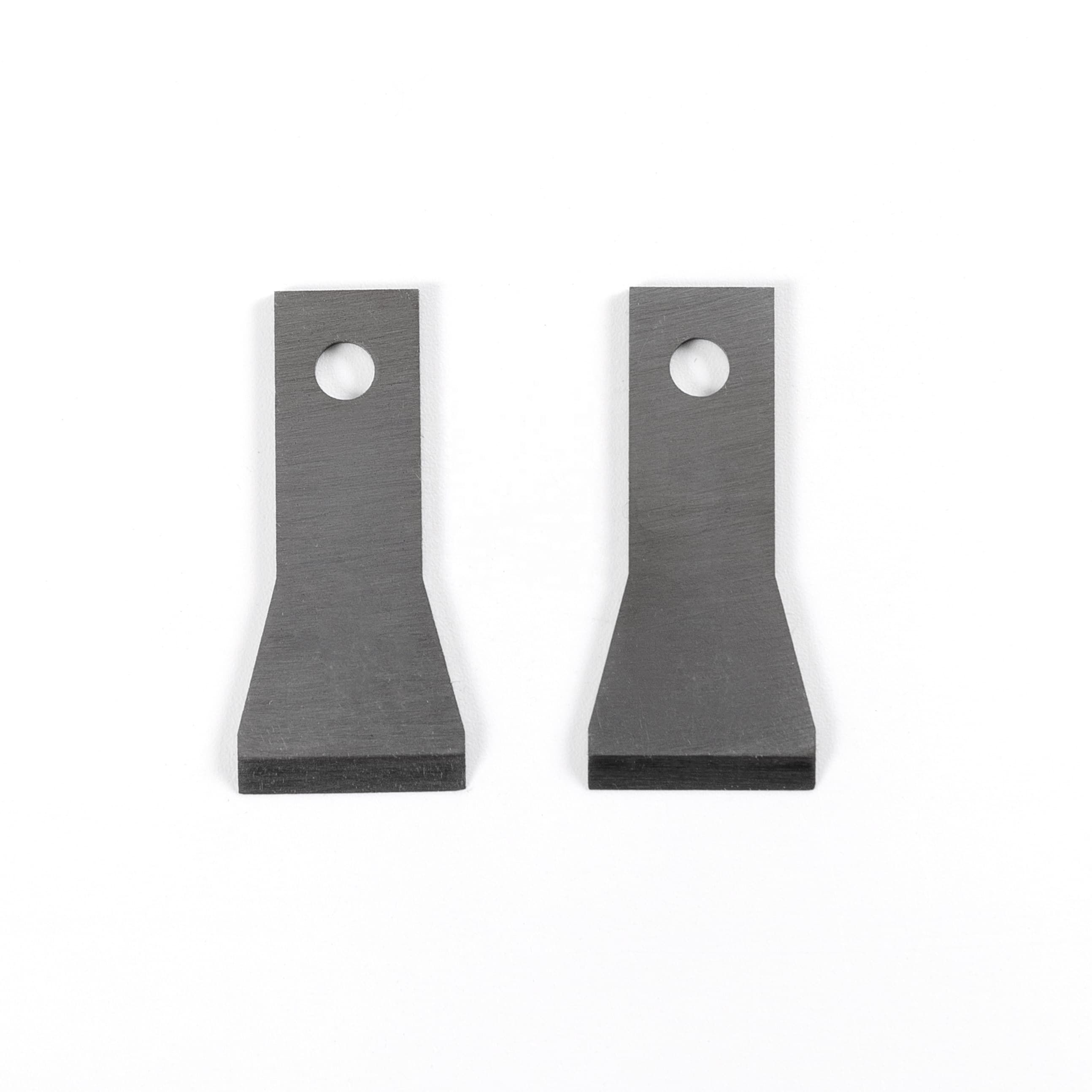
HSS Pelletizer Insert Blade — Pelletizer Knives and Cutters — SKD11 / D2 / HSS / Carbide | Leader Blades
PPB-002

HSS Pelletizer Insert Blade

HSS Pelletizer Insert Blade is built for strand pelletizer knife replacement and die-face pelletizer maintenance. Available in SKD11 / D2 / HSS / Carbide for clean pellet cut quality and steady service life. The insert-style format fits compact cutter seats and short replacement positions.

EREMA and BKG-Compatible Pelletizer Blade — Pelletizer Knives and Cutters — SKD11 / D2 | Leader Blades
PPB-003

EREMA and BKG-Compatible Pelletizer Blade

EREMA and BKG-Compatible Pelletizer Blade is built for strand pelletizer knife replacement and die-face pelletizer maintenance. Available in SKD11 / D2 for clean pellet cut quality and steady service life. The profiled body suits fixed or rotary stations where alignment and edge exposure matter.

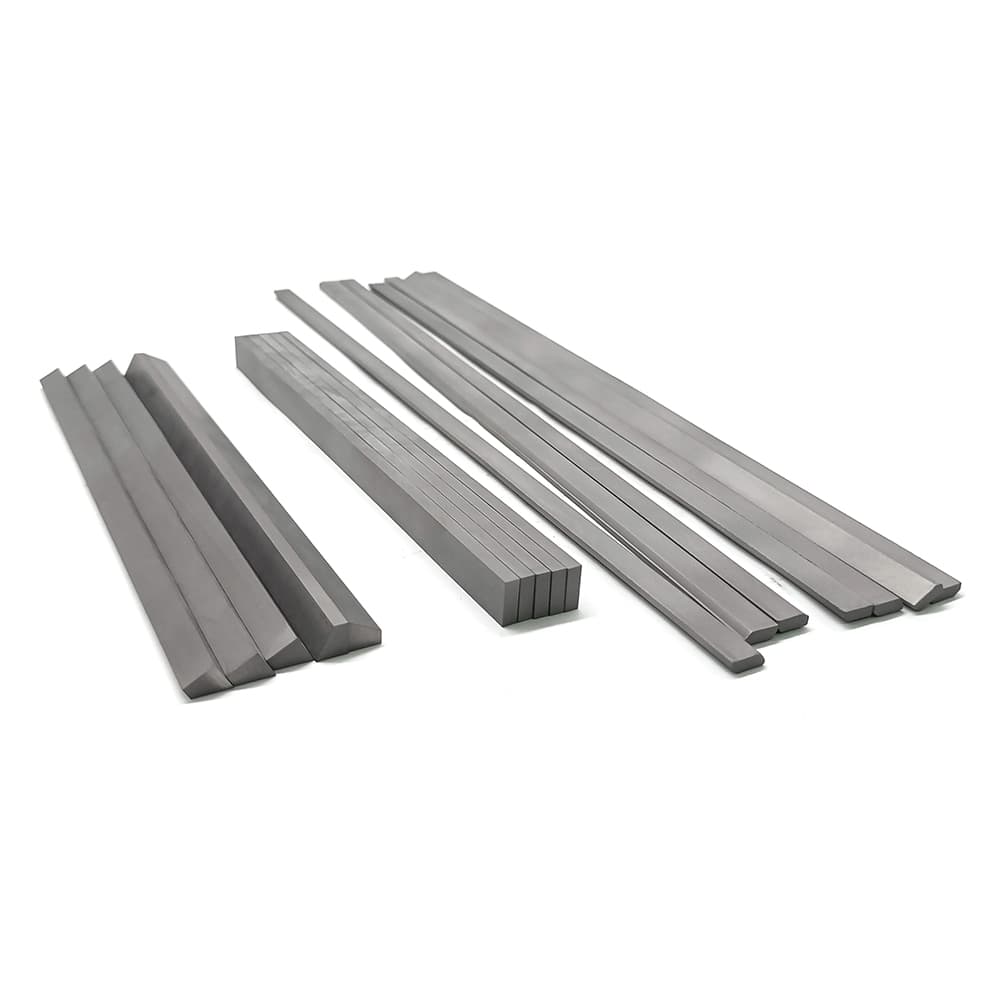
Tungsten Carbide Pelletizer Blade — Pelletizer Knives and Cutters — Tungsten Carbide / Carbide | Leader Blades
PPB-004

Tungsten Carbide Pelletizer Blade

Tungsten Carbide Pelletizer Blade is built for strand pelletizer knife replacement and die-face pelletizer maintenance. Available in Tungsten Carbide / Carbide for clean pellet cut quality and steady service life. The profiled body suits fixed or rotary stations where alignment and edge exposure matter.

D2 Pelletizer Blade — Pelletizer Knives and Cutters — D2 / SKD11 / M2 / HSS | Leader Blades
PPB-005

D2 Pelletizer Blade

D2 Pelletizer Blade is built for strand pelletizer knife replacement and die-face pelletizer maintenance. Available in D2 / SKD11 / M2 / HSS for clean pellet cut quality and steady service life. The profiled body suits fixed or rotary stations where alignment and edge exposure matter.

Pelletizer Insert Blade — Pelletizer Knives and Cutters — D2 / M2 | Leader Blades
PPB-006

Pelletizer Insert Blade

Pelletizer Insert Blade is built for strand pelletizer knife replacement and die-face pelletizer maintenance. Available in D2 / M2 for clean pellet cut quality and steady service life. The insert-style format fits compact cutter seats and short replacement positions.

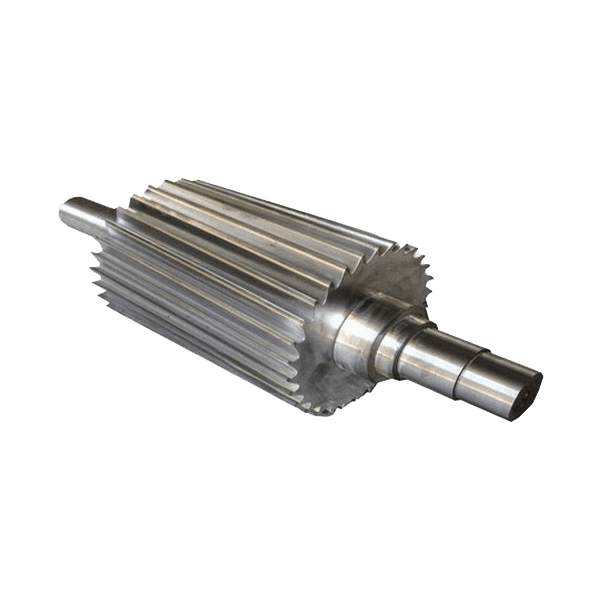
Pelletizer Roller Knife — Pelletizer Knives and Cutters — D2 / SKD11 / M2 / HSS | Leader Blades
PPB-007

Pelletizer Roller Knife

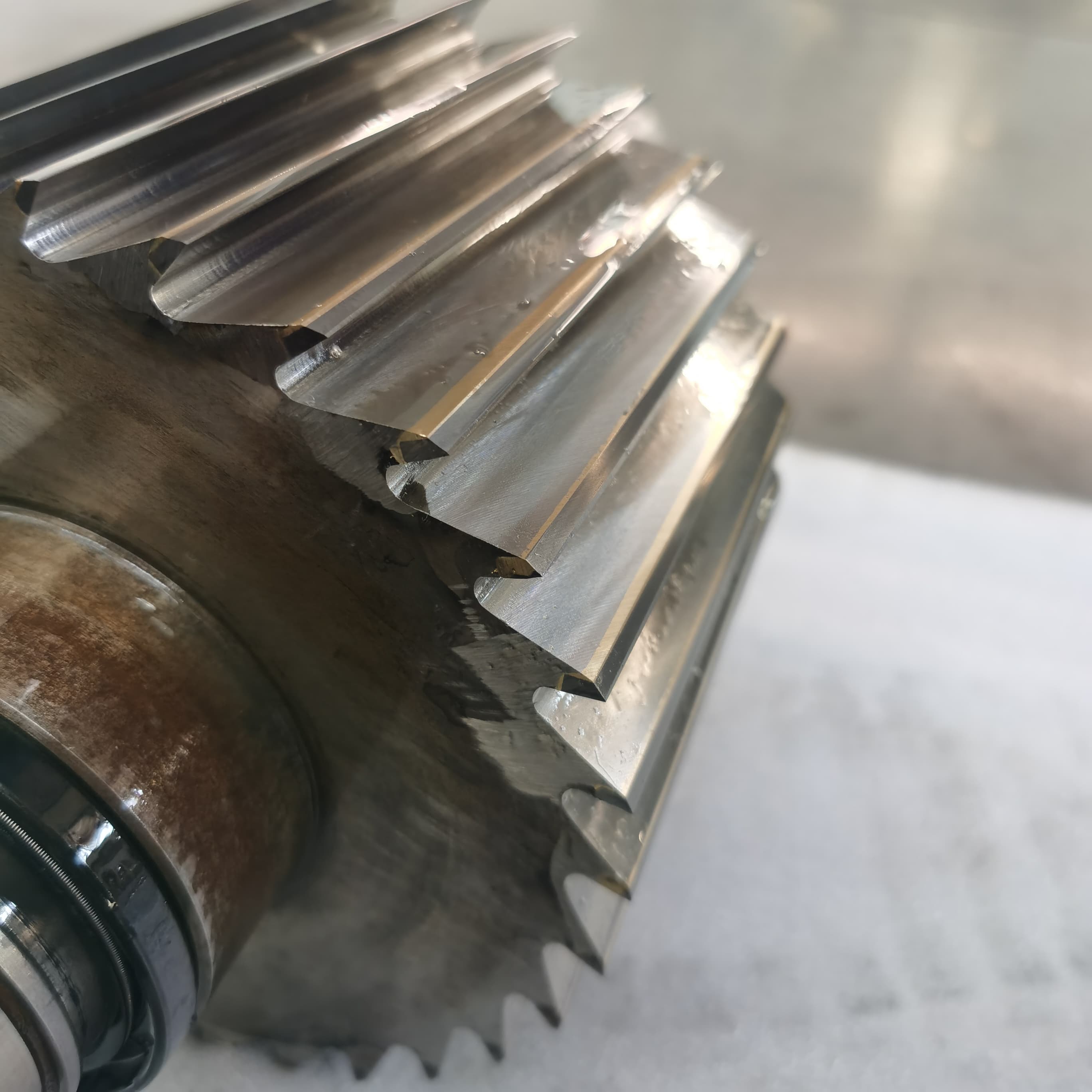
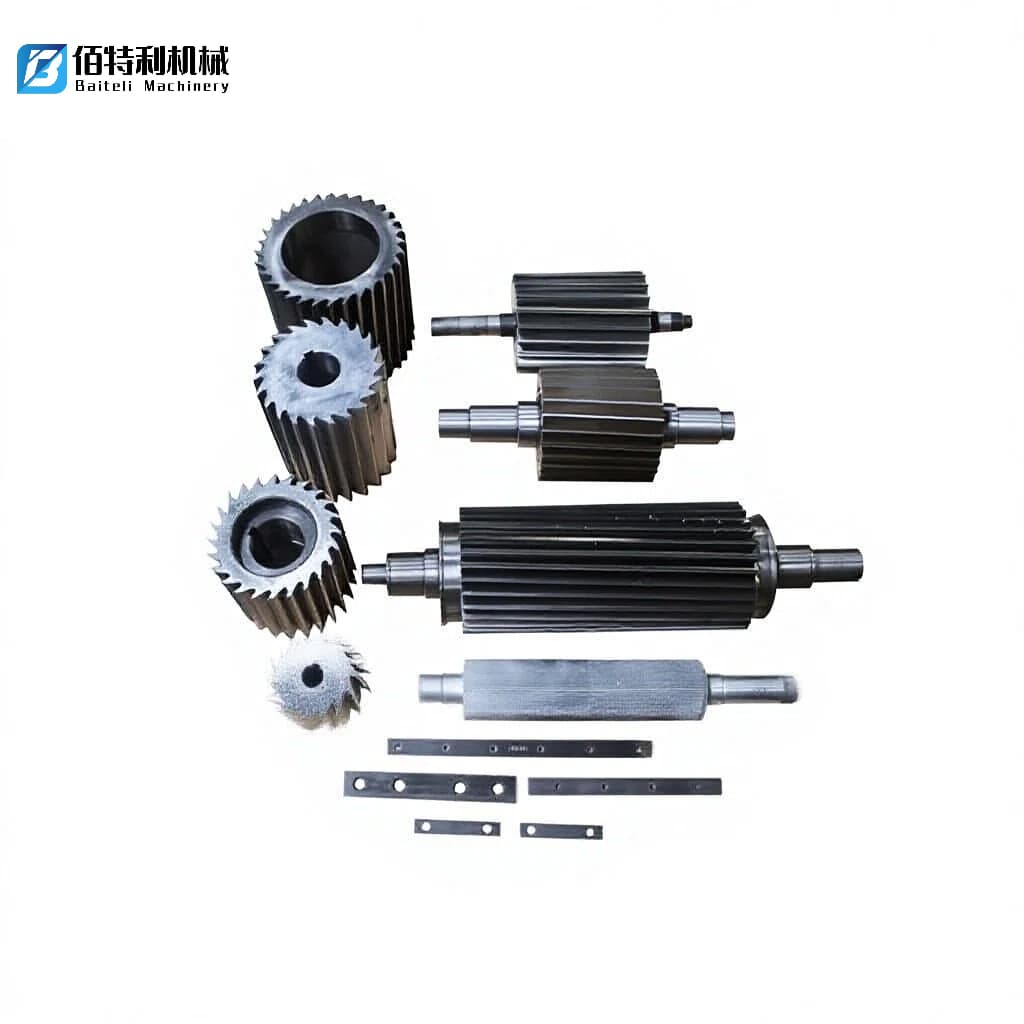
Pelletizer Roller Knife is built for pelletizer head rebuilds and strand pelletizer assemblies. Available in D2 / SKD11 / M2 / HSS for clean pellet cut quality and steady service life. The profiled form matches rotating cutter drums, hob heads, or feed-roll assemblies.

Fluted Pelletizer Cutter — Pelletizer Knives and Cutters — D2 / SKD11 / M2 / HSS | Leader Blades
PPB-008

Fluted Pelletizer Cutter

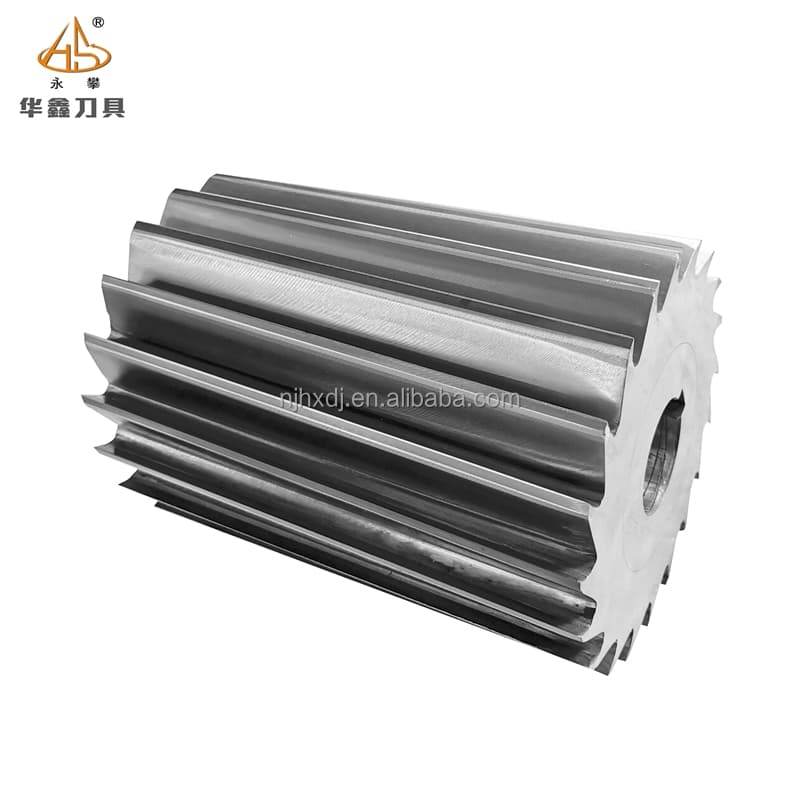
Fluted Pelletizer Cutter is built for pelletizer head rebuilds and feed roller replacement. Available in D2 / SKD11 / M2 / HSS for clean pellet cut quality and steady service life. The profiled form matches rotating cutter drums, hob heads, or feed-roll assemblies.

Slotted Pelletizer Blade — Pelletizer Knives and Cutters — D2 / SKD11 / M2 / HSS | Leader Blades
PPB-009

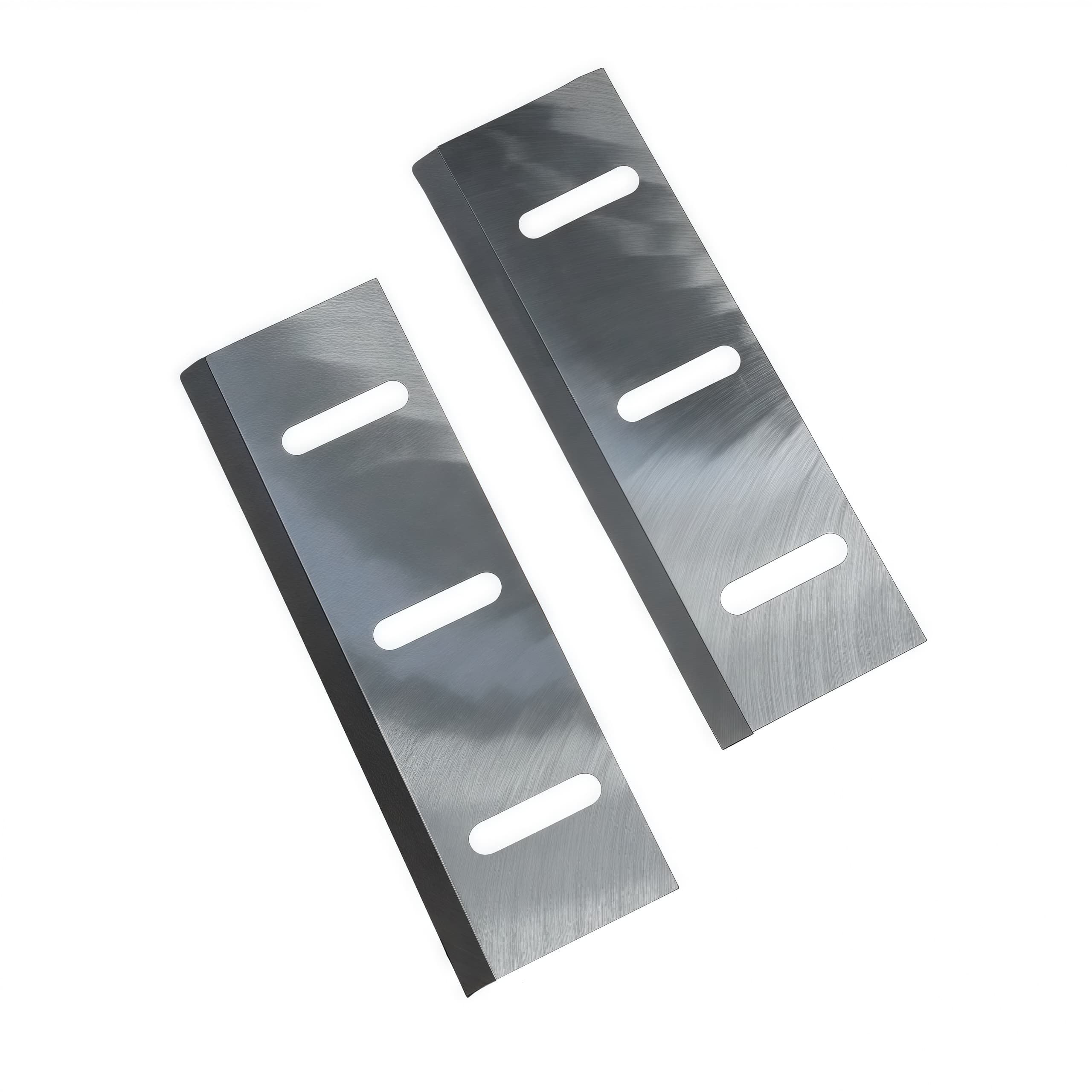
Slotted Pelletizer Blade

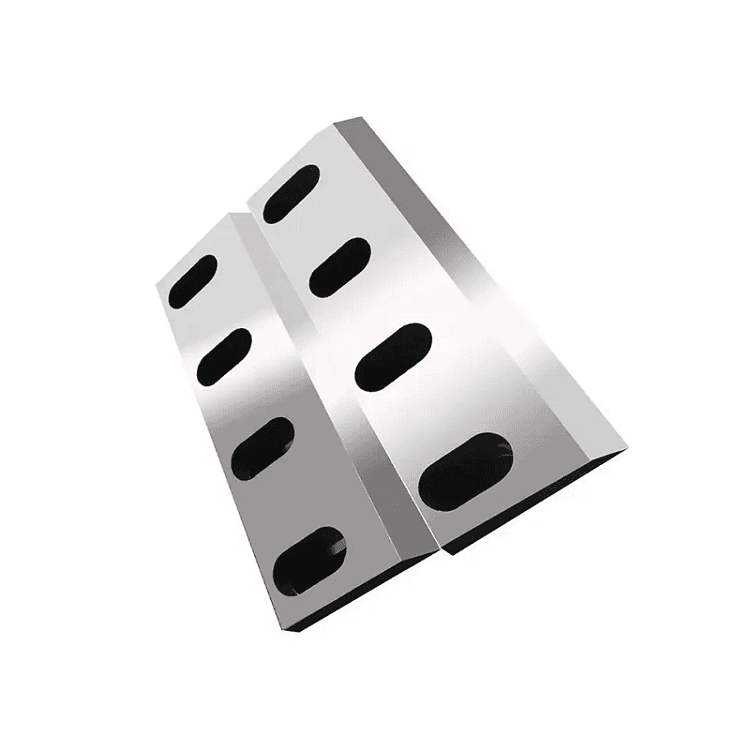
Slotted Pelletizer Blade is built for strand pelletizer knife replacement and die-face pelletizer maintenance. Available in D2 / SKD11 / M2 / HSS for clean pellet cut quality and steady service life. The insert-style format fits compact cutter seats and short replacement positions.

SKD11 Pelletizer Cutter Set — Pelletizer Knives and Cutters — SKD11 | Leader Blades
PPB-010

SKD11 Pelletizer Cutter Set

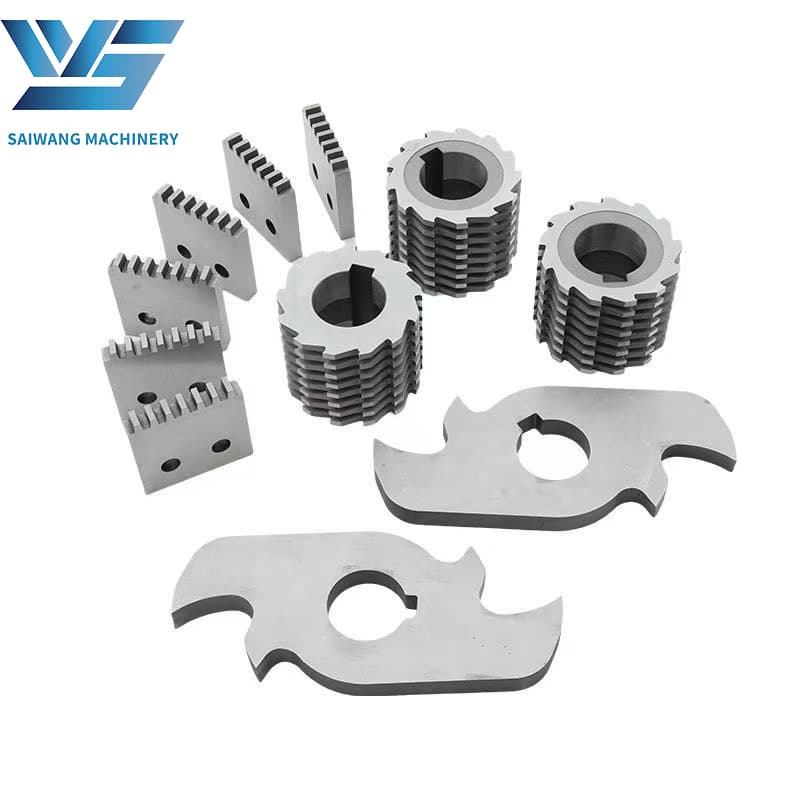
SKD11 Pelletizer Cutter Set is built for pelletizer head rebuilds and cutter set replacement. Available in SKD11 for clean pellet cut quality and steady service life. The profiled form matches rotating cutter drums, hob heads, or feed-roll assemblies.

Pellet quality starts at the cutter and bed-knife relationship

Pelletizer blades do not work in isolation. Coperion describes strand pelletizers as a system built around a stationary bed knife and a rotating cutting rotor, while MAAG emphasizes maintenance access to the feedrolls, doctor blade, and bed knife on its strand pelletizing equipment. In buying terms, blade geometry, bed-knife condition, and cutter mounting all influence whether pellets cut cleanly.

That is why defects like tails or fuzzy pellets should be described as process symptoms in the RFQ. They often point to a cutter-package review rather than a one-blade replacement.

Strand, underwater, and die-face jobs should not be quoted the same way

Official equipment pages separate strand, underwater strand, and die-face pelletizing because the cutting duty, cooling condition, and blade fixture are different. MAAG's underwater pelletizing material highlights cutting consistency from a rigid knife fixture, while strand-pelletizer references focus on the cutter and bed-knife relationship plus service access.

That is why the quotation should state the pelletizing method and the material family. A blade set quoted as a generic pelletizer knife without process context is much more likely to miss the real duty.

What common pellet defects usually mean on the cutter side

Furry pellets, tails, inconsistent pellet length, or rapid edge wear are usually the first commercial clues. They can point to worn cutters, an unstable bed-knife side, weak fixture rigidity, or a process that is harder on the blade than the last material run. On recycling lines, the cutter package may also need to cope with more variation in the melt than on a clean compounding line.

If the buyer can say whether the problem began after a material change, a sharpening cycle, or a maintenance intervention, the RFQ becomes much more useful for selecting the correct cutter family.

How to request a safer pelletizer-blade quotation

The most useful pelletizer RFQs combine fit data with pellet-quality symptoms. A simple part photo is helpful, but the quote becomes much safer when the buyer also includes the pelletizer type, the current defect, and whether the bed-knife side is being reviewed at the same time.

  • State whether the line is strand, underwater strand, or die-face.
  • Send blade dimensions, mounting details, and holder or bed-knife photos when possible.
  • Describe the visible defect: tails, fuzz, fines, or unstable pellet length.
  • If the material is recycled or contaminated, mention that early because it changes blade-duty assumptions.

Pelletizer Knives and Cutters

Pelletizer blades FAQ

Why should the RFQ mention whether the pelletizer is strand or die-face?+
Because official OEM literature separates these cutting duties. Strand, underwater, and die-face pelletizing put different demands on the cutter, the fixture, and the bed-knife side, so they should not be quoted as one generic job.
Can fuzzy pellets or tails be caused by more than just dull blades?+
Yes. Those defects can also point to the bed-knife side, cutter-fixture stability, or a process change upstream. Blade wear is often only one part of the picture.
Should the holder or bed-knife side be reviewed together with the cutter?+
Usually yes. OEM references describe pelletizing as a cutter system, not an isolated blade. If the fixed or support side is unstable, new blades can still cut poorly.
What is the best way to request a quotation without a full OEM drawing?+
Send the blade photo, dimensions, mounting-hole pattern, pelletizer type, polymer family, and the visible pellet defect. That combination is usually enough to start a technical review.