
WEEE and appliance recycling: shredder knives wear fast and e-plastics separation drifts
For e-scrap, small appliances, circuit-board scrap, cables, and appliance plastics, the safer RFQ is stage-first: shredder cutters, crusher knives, granulator knives, and bed knives must match the separation target.
Typical field problems
- •Mixed e-scrap or appliance feed now chips cutters, creates too many fines, or leaves plastics and metals harder to separate downstream.
- •The buyer asks for replacement shredder knives, but the real commercial problem may be stage duty, screen target, metal-heavy feed, or a downstream granulator complaint.
- •A worn sample exists, yet the quote needs enough process context to avoid repeating the same failure after import and installation.
Buyer conclusion first: when a WEEE, e-scrap, or appliance-plastic recycling line starts losing knife life, making too many fines, or sending poorly liberated metal-plastic fractions downstream, the safest buying decision is not simply to order a harder cutter. Quote the line by double-shaft shredder knife, single-shaft shredder knife, plastic crusher blade, granulator knife, and bed knife stage. A cutter can fit the shaft or holder and still miss the commercial target if the line now needs cleaner commodity separation, different particle control, or a safer way to handle mixed appliances, boards, wires, housings, and e-plastics.
Machine-stage fit: official sources treat WEEE and electronic scrap as a staged recovery problem. The European Commission WEEE page frames WEEE around separate collection, proper treatment, recovery, and recycling. SSI describes electronic scrap processing through shredding, fines removal, hand picking, ferrous separation, and non-ferrous separation. WEIMA explains that e-waste is shredded to facilitate separation of metals, plastics, and glass. This means the knife RFQ must identify the stage: primary opening, controlled shredding, e-plastics size reduction, granulation, or fixed-knife clearance review.
RFQ criteria: send the machine brand and model, the exact stage, old-knife photos with a ruler, pocket or holder photos, feed description, current symptom, target fraction, screen or output-size target if used, and whether batteries, cables, circuit boards, motors, metal frames, plastic housings, or appliance shells are present. Before you send the RFQ, compare this page with the new WEEE application guide, the new WEEE shredder knife RFQ article, the existing single-shaft shredder RFQ guide, and the contact page.
Why WEEE and appliance recycling needs a stage-first knife quote
WEEE and appliance recycling mixes recoverable value with mechanical risk. Small electronics, appliance housings, wires, plugs, circuit boards, sheet metal, and plastic-rich fractions do not load a shredder or granulator like clean production scrap. Official process pages consistently show that the material must be opened, size-reduced, screened, and separated before it becomes a saleable stream. That is why a replacement-knife inquiry should ask what the line is trying to produce, not only what the old knife measures.
UNTHA says electronic scrap contains recyclable steel, aluminum, copper, and precious metals, and that size reduction creates particles that can be separated. SSI describes systems that separate commodities when they become marketable and refine higher-value material after initial separation. For a blade supplier, those sources point to the same practical conclusion: the cutter package should support the separation target. If the target is coarse opening before manual removal, the knife logic is different from a line preparing cleaner e-plastics for a crusher or granulator.
Where Leader Blades parts fit in a WEEE line
Leader Blades should be considered for the knife stages, not for every possible WEEE machine. If the plant uses impact, chain, or hammer disintegration in one stage, that stage may not need replacement knives from our catalog. The relevant RFQs start where the line uses shear cutters, rotor knives, crusher blades, granulator knives, and fixed bed knives. Typical starting points are plastic recycling shredder knives, multi-material shredder knives, heavy-duty double-shaft shredder knives, plastic crusher plate knives, and granulator bed knives.
This distinction matters because ANDRITZ ADuro QZ documentation describes a non-knife operating principle for opening composite materials such as electronic scrap, refrigerators, printed circuit boards, and metal-plastic composites. That source is useful precisely because it tells buyers not to force every WEEE stage into a blade quote. Use Leader Blades when the wearing part is a knife, cutter, crusher blade, rotor insert, or bed knife. If the stage is a different technology, name that stage so the RFQ can focus on the cutting positions that actually match our product categories.
Common failure symptoms that change the quote
Short knife life is only one symptom. In WEEE service, the more useful RFQ language is often commercial: more fines than before, more hand-picking load, metal still attached to plastic housings, cable bundles wrapping around the rotor, brittle appliance plastic chipping the edge, screen overload, higher current draw, or a granulator that runs hot after the upstream shredder changed. Each symptom points to a different stage decision.
If the complaint is poor opening or bite, review the primary shredder cutters and support faces first. If the complaint is too many fines or dust, include screen target and downstream separation equipment in the message. If the complaint is e-plastics quality, include the crusher or granulator stage and fixed-knife clearance. If the complaint started after the feed mix changed from mostly plastic housings to metal-rich small appliances or board scrap, say that directly. The same outside dimensions may no longer be the safest order.
Practical selection notes for buyers, dealers, and service teams
Use three RFQ levels. Level one is direct replacement because the line is healthy and the old knives only need scheduled replacement. Level two is stage review because the pocket, counter side, screen, or downstream separation target has changed the result. Level three is line-fit review because the buyer is not sure whether the failure belongs to the primary shredder, e-plastics crusher, granulator, or fixed knife. A dealer can use the same structure when collecting information from a recycling plant with incomplete drawings.
For import buyers, the lowest-risk workflow is to shortlist the nearest product page, send photos of the worn knife and installed seat, then explain the material stream in ordinary plant language. Write "mixed small appliances with wires," "plastic housings after metal removal," "circuit board scrap before separation," or "e-plastics granulation after shredder." Those short phrases help the supplier avoid quoting a simple spare part when the line really needs a stage-fit review.
What to send for a faster WEEE knife quote
- Machine brand, model, shaft count, and exact stage name if known.
- Feed stream: small appliances, mixed e-scrap, circuit boards, cables, plastic housings, refrigerator plastics, motors, or post-separation e-plastics.
- Target output: coarse opening, liberation before sorting, e-plastics size reduction, granulator feed, or controlled regrind.
- Old knife photos: face, side profile, thickness, hole pattern, and installed pocket or holder.
- Fixed counter side, bed knife, screen, and seat-contact photos when those parts affect the cut.
- Current symptom: chipped corners, one-sided wear, fines, dust, poor separation, wrapping, high current draw, screen overload, or heat at the next stage.
- Commercial request: direct replacement, trial batch, emergency shutdown spares, or broader stage review.
Use the contact form when the photo set is ready. If you only have a worn sample, say that clearly. It is normal in aftermarket WEEE and appliance recycling, but the sample should be paired with the real stage and symptom so the next batch is not just a copy of the previous failure.
FAQ and buyer guidance
Do I need to mention downstream separation equipment? Yes. If the problem is fines, poor liberation, or mixed metal-plastic fractions, the downstream separation target is part of the knife quote. Can Leader Blades quote every WEEE machine stage? No. We quote knife, cutter, crusher, granulator, and bed-knife positions that match our catalog. If a stage uses non-knife disintegration, tell us so the RFQ can focus on the right cutting positions. Which pages should I compare next? Start with the WEEE application guide, WEEE RFQ article, general shredder knives, plastic crusher blades, and granulator bed knives.
Primary sources used on this page: European Commission WEEE page, UNTHA electronic scrap shredding, WEIMA WEEE shredders, SSI Electronic Scrap Processing, and ANDRITZ ADuro QZ shredder.
Example parts from our catalog
Close shapes for quoting—send ruler photos or drawings so the factory confirms fit before you lock in quantity.
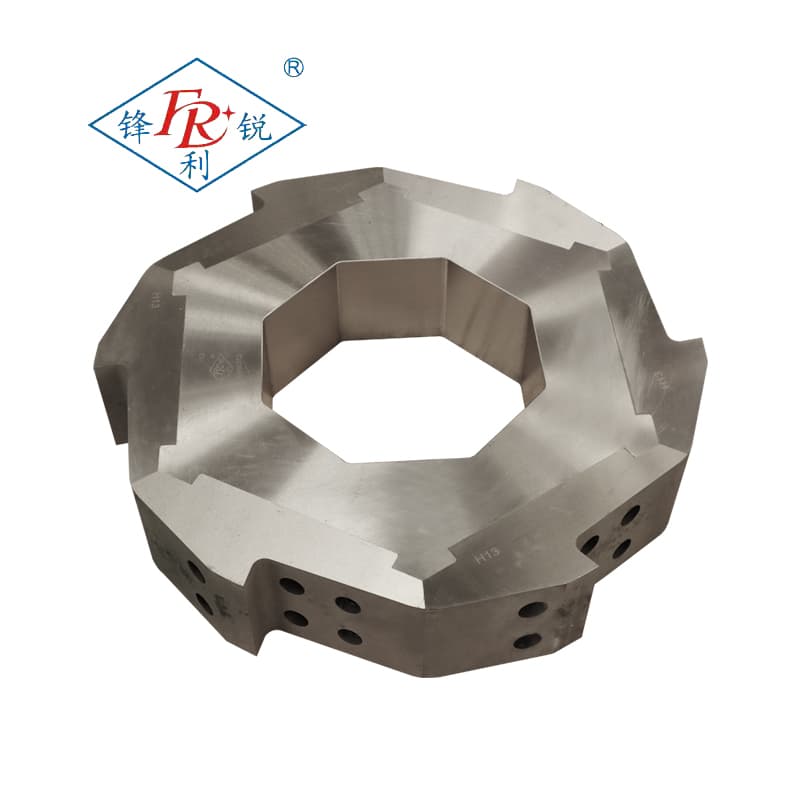
GSK-008
Plastic Recycling Shredder Knife
Plastic Recycling Shredder Knife is built for industrial recycling lines and mixed scrap size reduction. Available in D2 / SKD11 / HSS / alloy steel for mixed-feed shredding and steady replacement life. The insert-style format fits compact cutter seats and short replacement positions.
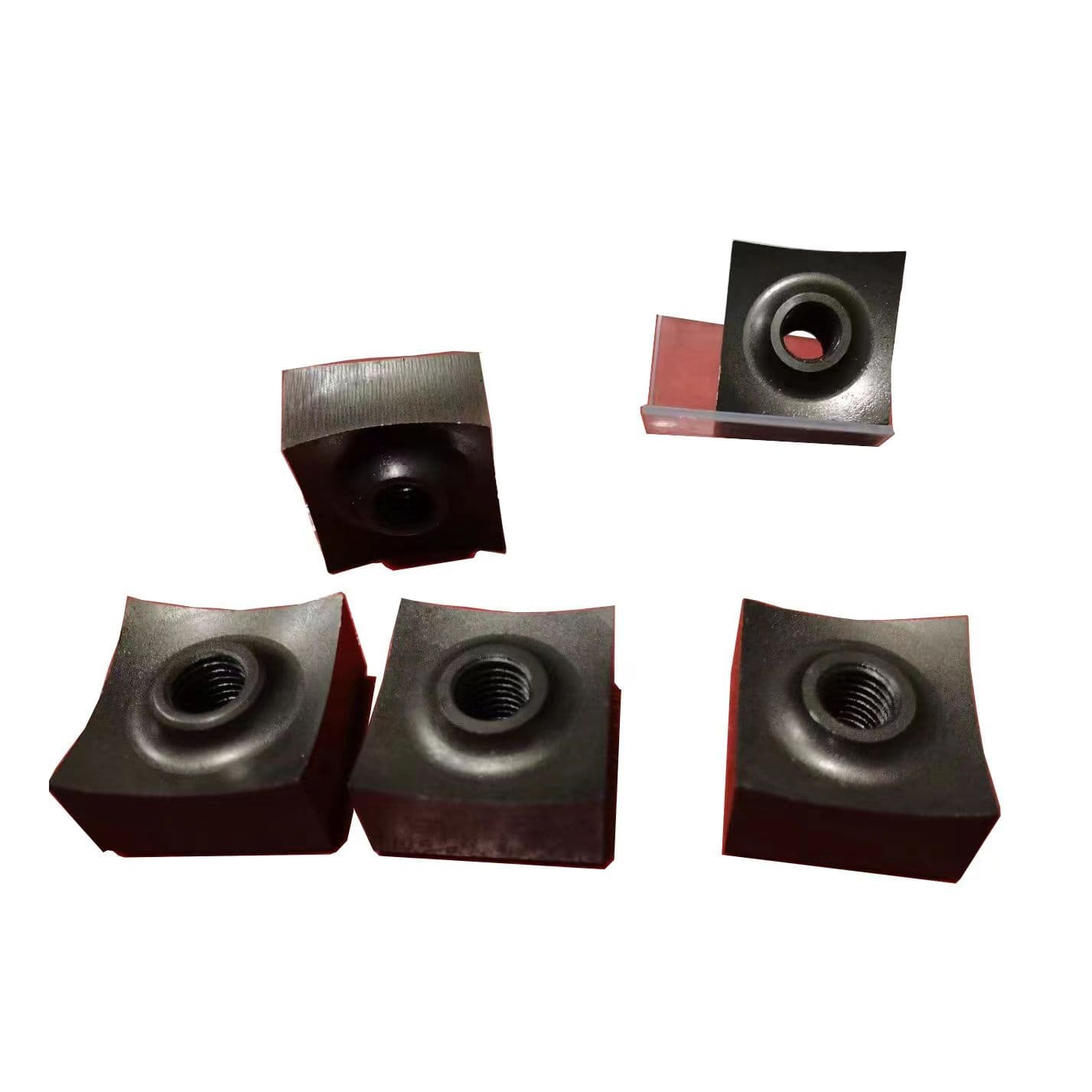
GSK-003
Multi-Material Shredder Knife
Multi-Material Shredder Knife is built for industrial recycling lines and mixed scrap size reduction. Available in SKD11 / D2 for mixed-feed shredding and steady replacement life. The profiled body suits fixed or rotary stations where alignment and edge exposure matter.
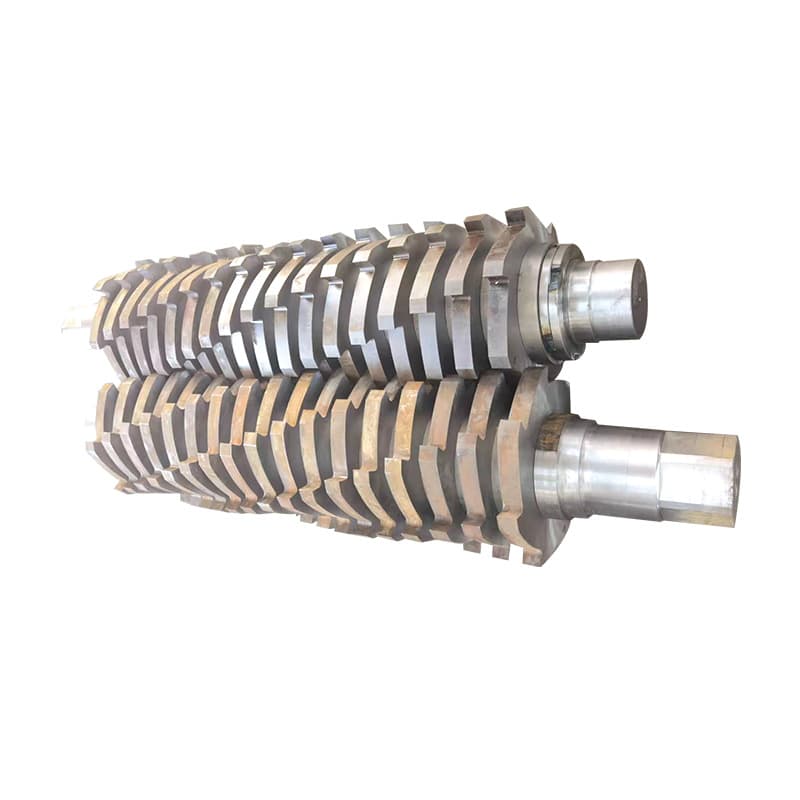
DSK-002
Heavy-Duty Double-Shaft Shredder Knife
Heavy-Duty Double-Shaft Shredder Knife is built for double-shaft shredders and bulky plastic waste reduction. Available in D2 / HSS / 9CrSi / H13 for torque-heavy duty, impact resistance, and manageable maintenance cost. The cutter geometry suits stacked shredder rotors and indexable cutter assemblies.
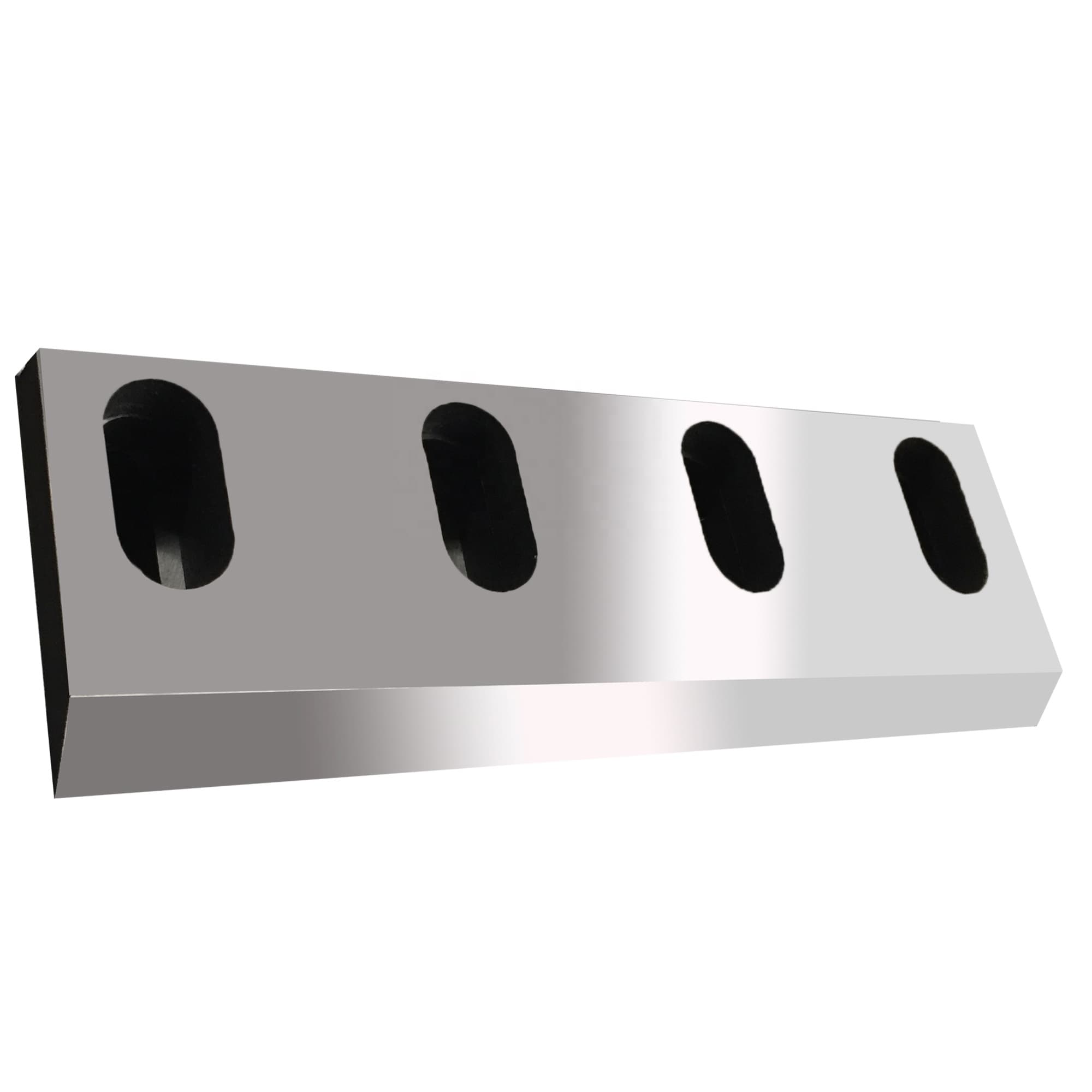
PCB-002
Plastic Crusher Plate Knife
Plastic Crusher Plate Knife is built for pet bottle crushing lines and rigid plastic size reduction. Available in SKD11 / 9CrSi for wear resistance, stable knife clearance, and repeatable sharpening. The straight edge format suits long bolt-on knife bars and clamp-mounted holders.
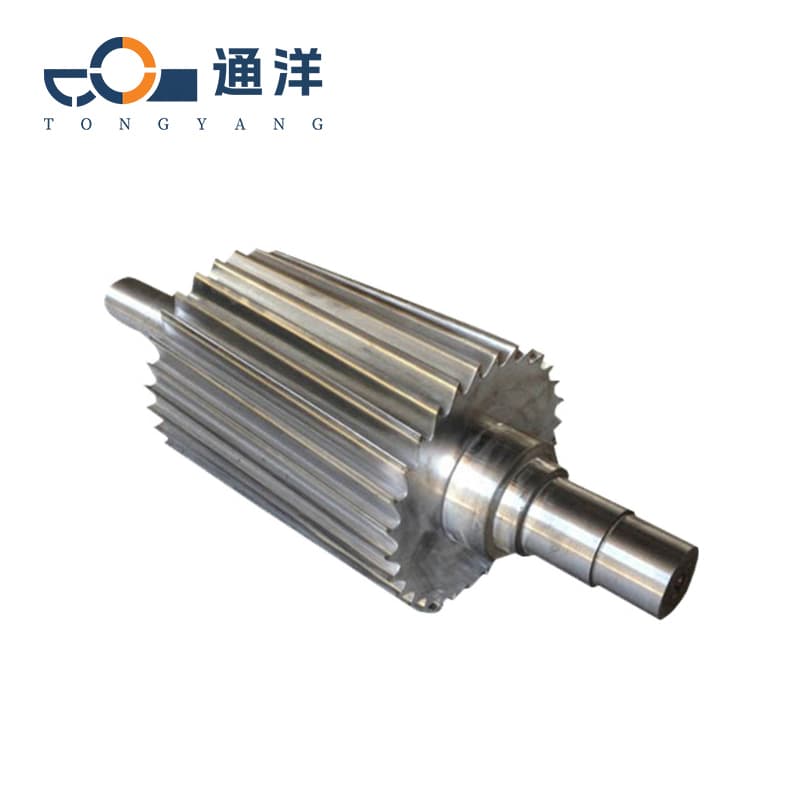
GBK-001
Granulator Bed Knife
Granulator Bed Knife is built for granulator bed knife replacement and pet bottle and rigid plastic grinding. Available in SKD11 / D2 / HSS / tungsten carbide for stable rotor clearance and consistent granulation quality. The insert-style format fits compact cutter seats and short replacement positions.
Related catalog categories
Deep reading
WEEE Shredder Knife RFQ Guide: What Buyers Should Send Before Ordering E-Scrap Cutters
A source-backed buyer guide for WEEE shredder knives, appliance-plastic crusher blades, and e-plastics granulator knives: stage fit, feed mix, photos, and RFQ criteria.
Read articleSingle-Shaft Shredder Knife Indexing: Buyer RFQ Guide
An original buyer guide built from official machine documentation: when indexing helps, when chamber wear matters more, and what to send before requesting a quote.
Read articleDouble-shaft shredder cutter RFQ guide: what buyers should confirm before reordering
A source-backed buyer guide for double-shaft shredder cutters: feed fit, stack logic, counter-side clues, and the RFQ details that reduce wrong-fit reorders.
Read article
Need this applied to your line?
Mention this solution hub in your message so sales engineering opens the thread with the right checklist.