
Typical RFQ problems on pallet and crate recycling lines
- •The plant knows it needs new knives, but the real complaint is poor opening of bulky parts, unstable handoff into secondary reduction, high amps, or dusty regrind downstream.
- •The buyer calls the feed “rigid plastic,” yet the actual duty may involve pallets, fruit crates, reusable boxes, nested totes, contamination, or occasional embedded metal that change the safe cutter choice.
- •A same-size replacement still looks attractive, but the real buying decision now sits in stage fit, feed form, and how much preparation the next machine expects.
Buyer conclusion, machine-stage fit, and RFQ logic
Buyer conclusion first: if a pallet or crate recycling line starts struggling with bite, overloading the first machine, producing uneven secondary feed, or making dusty regrind later in the line, the safer commercial decision is usually to quote the pre-shredding cutter family, the controlled single-shaft stage, and the crusher or granulator stage together instead of asking for one “rigid-plastic knife” by outline only.
Machine-stage fit: official sources are clear that bulky rigid articles are not a generic one-stage duty. UNTHA’s pallets page describes machines adapted to the customer’s required throughput and the possibility of a feed system, metal separation, or a removal system around the core shredder. WEIMA’s rigid-plastics page lists plastic pallets, crates, containers, and IBC-style articles inside the rigid-plastic stream and says the first step toward sustainable processing is shredding to produce high-quality recyclate. ZERMA’s GSH granulator brochure then frames pallets, barrels, and purgings as heavy-duty secondary granulation work rather than as the same job as opening bulky parts. Those are separate buying problems.
RFQ and commercial decision logic: send the machine brand and model, the feed description, whether the stage is bulky opening, controlled re-shredding, or secondary granulation, the current symptom, and installed photos of moving and fixed sides where relevant. If the feed is mixed with metal contamination, nested parts, or different polymers, say that early. Before requesting a repeat build, compare this page with our bulky rigid-plastic solution, the rigid-plastic application guide, the single-shaft shredder RFQ article, and the contact page.
Why pallets, crates, totes, and bulky rigid containers are not the same cutting duty
Plastic pallets, transport crates, returnable boxes, rigid totes, and similar bulky articles may all sit inside the broad rigid-plastics stream, but they do not challenge the cutting chamber in the same way. Pallets bring thick ribs, hollow sections, and larger outer dimensions. Crates can bring open structures, nests, and mixed geometry. Totes and containers may carry more contamination, labels, residue, or occasional hardware. Those differences change bite, loading, counter-side stress, and the safest stage ordering.
WEIMA explicitly connects rigid plastics to fruit crates, plastic pallets, containers, IBCs, and big boxes, and it also calls out contamination, soiling, and mixed polymers as real challenges. VECOPLAN’s hard-plastics page separately frames hard post-consumer plastics as a category of mechanical processing duties that includes hollow bodies and containers. For buyers, that means the RFQ should name the specific article family, not stop at the phrase “hard plastic.”
The commercial consequence is simple: a buyer who tells the supplier “we are recycling pallets and crates” has already reduced risk compared with a buyer who says only “rigid plastic.” It is easier to decide whether the line needs coarse opening, more controlled re-shredding, or secondary granulation when the article family is named honestly.
What the official sources consistently signal to buyers
The official sources point toward staged reduction, contamination awareness, and downstream-fit thinking. UNTHA’s pallet application page focuses on required throughput and add-ons such as metal separation and removal systems. WEIMA describes rigid-plastic recycling as beginning with shredding, then highlights contamination, mixed polymers, and bulky formats such as crates, pallets, and containers. VECOPLAN frames hard plastics and hollow bodies as post-consumer mechanical-processing duties. ZERMA’s GSH literature pushes the next stage further by describing pallets, barrels, and purgings as valid heavy-duty granulator feed.
That means a buyer should not quote a pallet or crate line as if it were only a one-machine spare-parts problem. The RFQ should identify which machine is currently failing the commercial duty: the first opening stage, the controlled secondary stage, or the granulation stage that must now deliver more stable regrind. A quotation that names the wrong stage may still produce a physically correct part, yet still miss the plant’s real production bottleneck.
This is also why “embedded metal” and “mixed polymers” belong in the first email. Official rigid-plastic references mention those problems because they change the safe stage strategy. Buyers do not need to over-dramatize contamination, but they do need to name it.
Where the knife families fit on pallet and crate lines
A typical pallet or crate route can involve more than one cutting family. The correct quotation path depends on where the complaint begins and what the next stage expects.
- Double-shaft shredder knives when the first job is opening bulky articles, breaking volume, and stabilizing feed for a downstream machine.
- Single-shaft shredder knives when the plant needs more controlled output or a more stable re-shred step after bulky opening.
- Crusher and granulator knives when the material is already reduced enough that chamber stability, dust control, or finer regrind quality now decide the commercial result.
- Bed knives and stator knives when the moving knife was already replaced but the cutting pair or fixed side is now driving heat, fines, or inconsistent regrind.
For current site inventory, compare the plastic double-shaft shredder knife, the heavy-duty double-shaft shredder knife, the hard-plastic single-shaft shredder knife, the plastic crusher plate knife, and the granulator bed knife. Those routes are more useful than generic “recycling knife” language because they map directly to the machine stage.
Contamination, embedded hardware, and downstream complaints
Rigid transport items often arrive less clean than buyers first describe. Pallets and crates can carry labels, dirt, packaging residue, or occasional metal contamination from handling and logistics. WEIMA explicitly identifies contamination, soiling, and mixed polymers as rigid-plastic challenges. That means downstream complaints such as more fines, poorer sorting, or unstable granulation are not always “granulator-only” problems. They can begin with upstream stage selection.
If the first stage opens the bulky part poorly, the next machine inherits a less stable feed. If the second stage is already over-working mixed, dirty rigid pieces, the granulator may show heat, noise, or dust even with dimensionally correct knives. Buyers should therefore name both the first visible problem and the next-stage consequence in the RFQ. That is one of the cheapest ways to avoid repeat orders that only solve the symptom at the last visible stage.
This is where internal routes matter. If the complaint is really about bulky opening, compare with our bulky rigid-plastic solution. If it is about downstream rigid-plastic cut quality more generally, compare with our HDPE and PP rigid-plastic guide. If the line is actually closer to drums or IBCs, compare with the IBC and drum application guide before ordering.
RFQ checklist: what buyers should send before asking for price only
The strongest RFQs in this cluster combine article type, stage description, geometry, and current symptom. Send these items in the first message where possible:
- Machine brand, model, and serial number if available.
- Exact stage under review: bulky opening, re-shredding, crusher, granulator, or a combined staged system.
- Article family: pallets, crates, returnable boxes, totes, mixed rigid containers, or another named feed.
- Whether the feed is nested, bulky, contaminated, mixed-polymer, or occasionally includes metal or hardware.
- One face photo, one side-profile photo, and one installed photo of the knife or cutter seat.
- Photos of the fixed side, holder, bed knife, or chamber area when those parts influence the cut.
- Current symptom: poor bite, high amps, bridging, short life, dusty regrind, unstable downstream feed, or rougher particle size.
- Whether the buyer needs direct replacement, a trial lot, or a broader machine-stage review from worn samples.
- Quantity and destination country if export timing or packing matters.
If the plant already knows the line is only failing after the first stage, say that. The easiest way to waste time in a pallet or crate RFQ is to quote the wrong stage first.
Practical selection notes and internal routes
For buyers who only need stable bulky opening, start with the double-shaft or heavy-duty shredder families. For buyers who need more controlled output before granulation, compare the single-shaft family as well. For lines already complaining about dust, heat, or inconsistent regrind, move the quote toward crusher, granulator, and fixed-side review. In other words, match the RFQ to the stage where the business complaint begins.
Within the site, compare the double-shaft shredder category, the single-shaft shredder category, the plastic crusher blade category, the bed-knife category, the bulky rigid-plastic solution, the single-shaft shredder RFQ article, and the contact page. Those pages keep the quotation anchored to a real machine stage and a real article family instead of a vague rigid-plastic label.
The practical buyer rule is straightforward: when feed form, contamination level, or downstream expectation changed, a same-size reorder is no longer automatically the safest choice. The RFQ should say what changed and where the complaint appears.
Representative parts for this line
Use the closest shape below as your RFQ reference, then send dimensions or old-blade photos for fit review.
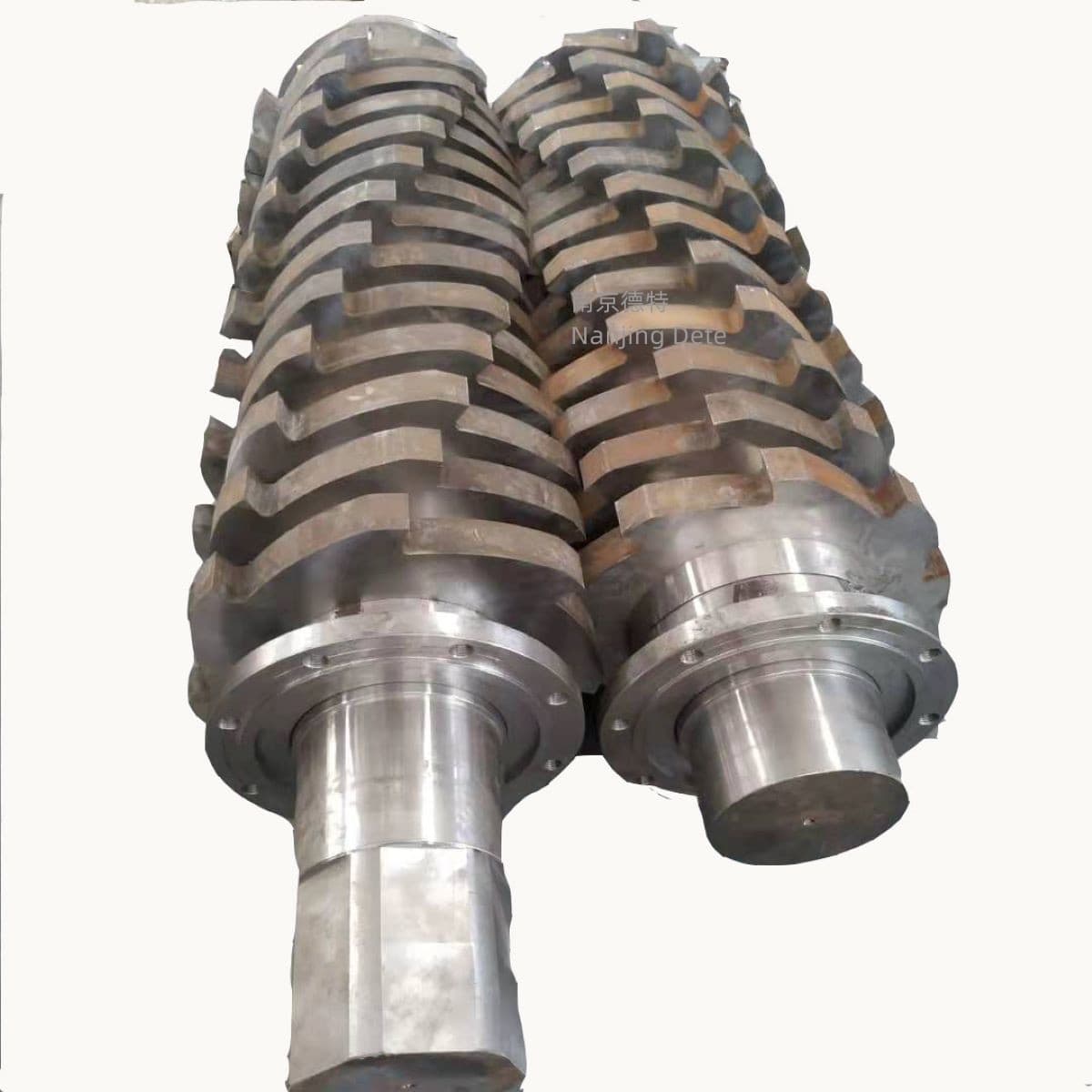
DSK-008
Plastic Double-Shaft Shredder Knife
Plastic Double-Shaft Shredder Knife is built for double-shaft shredders and bulky plastic waste reduction. Available in D2 / alloy steel / H13 / SKD11 for torque-heavy duty, impact resistance, and manageable maintenance cost. The cutter geometry suits stacked shredder rotors and indexable cutter assemblies.
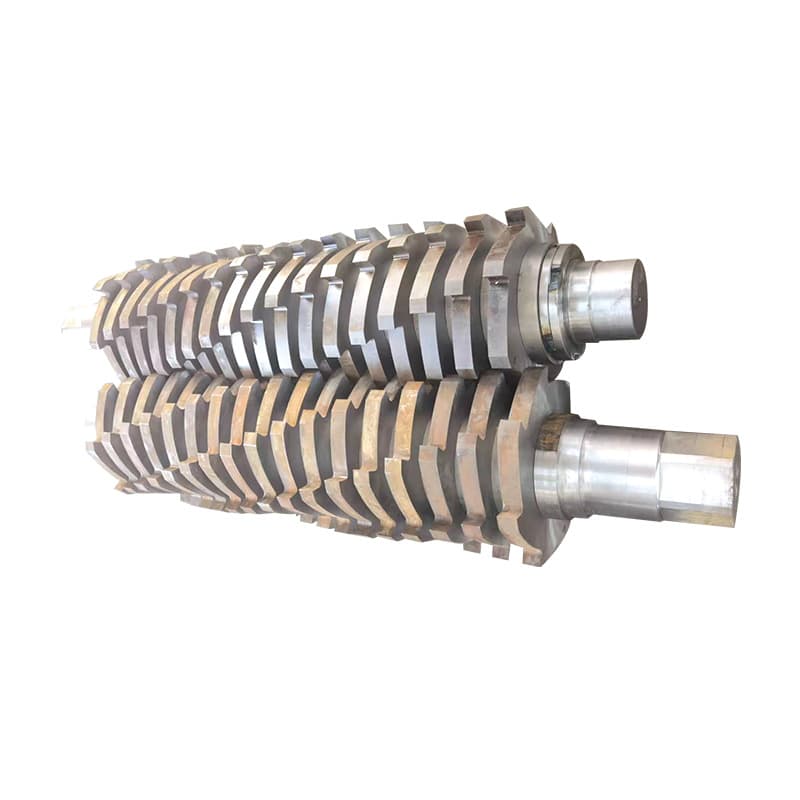
DSK-002
Heavy-Duty Double-Shaft Shredder Knife
Heavy-Duty Double-Shaft Shredder Knife is built for double-shaft shredders and bulky plastic waste reduction. Available in D2 / HSS / 9CrSi / H13 for torque-heavy duty, impact resistance, and manageable maintenance cost. The cutter geometry suits stacked shredder rotors and indexable cutter assemblies.
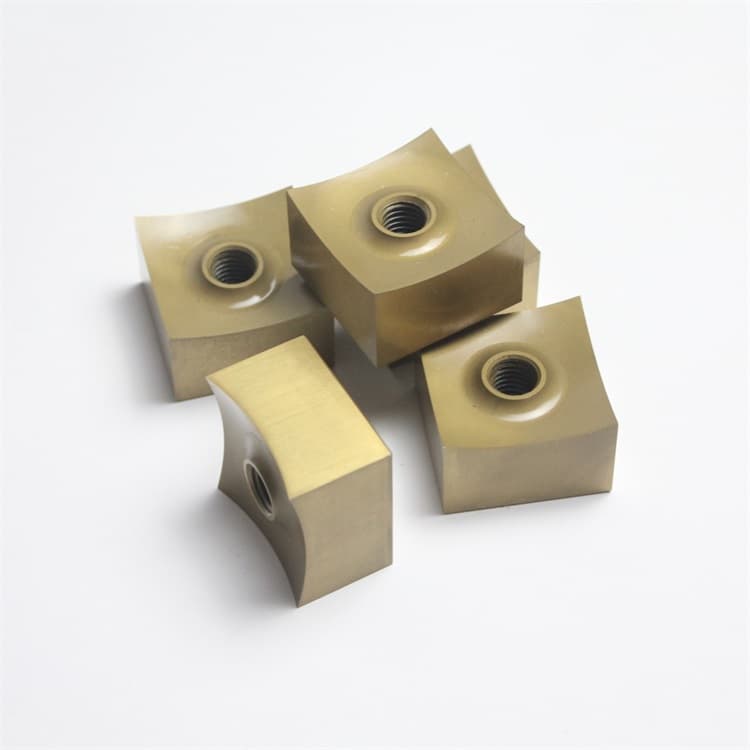
SSK-006
Hard Plastic Single-Shaft Shredder Knife
Hard Plastic Single-Shaft Shredder Knife is built for single-shaft shredders and film and woven bag shredding. Available in D2 / SKD11 / carbide-tipped alloy steel for wear resistance and repeated indexing in shredder rotors. The cutter geometry suits stacked shredder rotors and indexable cutter assemblies.
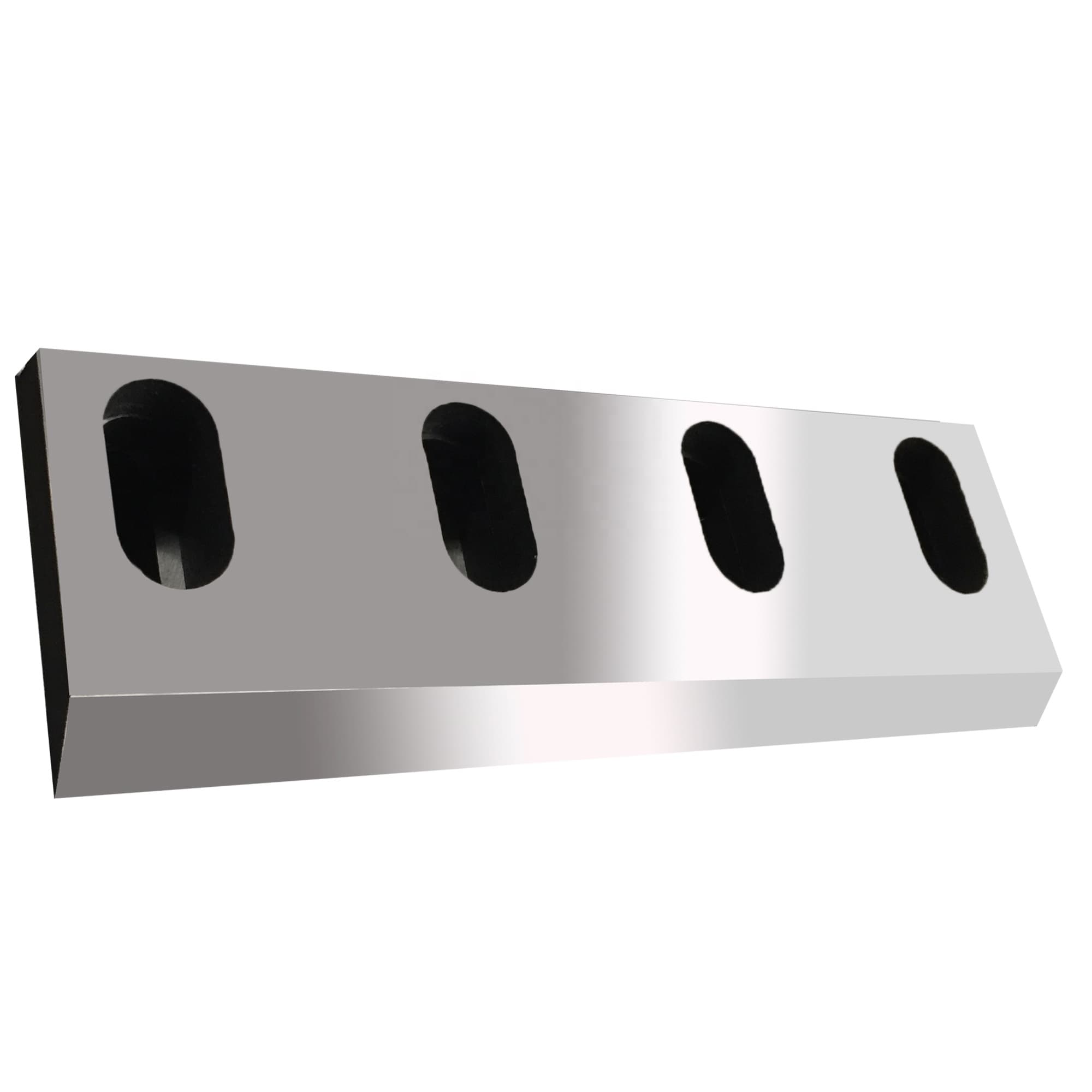
PCB-002
Plastic Crusher Plate Knife
Plastic Crusher Plate Knife is built for pet bottle crushing lines and rigid plastic size reduction. Available in SKD11 / 9CrSi for wear resistance, stable knife clearance, and repeatable sharpening. The straight edge format suits long bolt-on knife bars and clamp-mounted holders.
GBK-001
Granulator Bed Knife
Granulator Bed Knife is built for granulator bed knife replacement and pet bottle and rigid plastic grinding. Available in SKD11 / D2 / HSS / tungsten carbide for stable rotor clearance and consistent granulation quality. The insert-style format fits compact cutter seats and short replacement positions.
Related knife categories
Related articles
Single-Shaft Shredder Knife Indexing: Buyer RFQ Guide
An original buyer guide built from official machine documentation: when indexing helps, when chamber wear matters more, and what to send before requesting a quote.
Read articleGranulator Knife Gap Checklist: Reduce Dust, Fines, and Noise
A practical rotor-to-bed-knife inspection flow for recyclers seeing dusty regrind, noisy cutting, or repeated knife damage after a blade change.
Read articleFAQ for plastic pallet and crate knife buyers
Do I need to tell the supplier whether the feed is pallets, crates, or mixed rigid containers?+
Should I mention contamination or embedded metal in the first RFQ?+
When should I include the granulator stage in the quotation?+
Can you quote from worn parts and installed photos without a full drawing?+
Which internal pages should buyers compare before ordering?+
Primary sources behind this guide
This guide was written only from official machine-builder references on pallets, rigid plastics, hard plastics, and heavy-duty downstream granulation.
UNTHA
Pallets
Shows pallet recycling as a staged shredder duty and highlights options such as feed systems, metal separation, and removal systems around the core machine.
View sourceWEIMA
Post-consumer rigid plastics shredding and recycling
Places pallets, crates, containers, and similar bulky articles inside the rigid-plastics stream and highlights contamination, mixed polymers, and shredding as the first processing step.
View sourceVECOPLAN
Hard plastics
Frames hard post-consumer plastics, hollow bodies, and containers as a mechanical-processing category rather than a generic one-part spare problem.
View sourceZERMA
GSH Heavy Duty Granulators
Describes pallets, barrels, and purgings as valid heavy-duty granulator applications, which supports the stage-separation logic between bulky opening and downstream granulation.
View sourceWEIMA
Shredding and recycling rigid plastics
Reinforces rigid plastics as a dedicated shredding family and supports buyer-side stage-fit thinking for bulky transport articles.
View sourceNeed knives for plastic pallets or crate recycling?
Send the article type, machine stage, installed photos, and the real line symptom. We can help review whether the safer route is direct replacement, a stage-fit trial lot, or a wider cutting-pair check.