
Typical RFQ problems on HDPE pipe and purge-lump lines
- •The line needs new knives, but the real complaint is amperage spikes, one-sided wear, dusty regrind, or poor handoff between shredder and granulator.
- •The buyer has old cutters and chamber photos, yet no one has clearly stated whether the machine is handling long pipe lengths, nested bundles, heavy purge lumps, or a two-stage shredder-plus-granulator layout.
- •The RFQ is still treated as a direct knife reorder even though pipe diameter, wall thickness, purge size, and fixed-side condition now control the restart risk more than the outer blade dimensions alone.
Buyer conclusion, machine-stage fit, and RFQ logic
Buyer conclusion first: if an HDPE pipe or purge-lump line starts drawing more amps, chipping one knife row, or making dusty regrind downstream, the safer commercial decision is usually to quote the single-shaft shredder knife stage, the crusher knife stage, and the granulator fixed-side stage together instead of repeating the last cutter size.
Machine-stage fit: official sources distinguish very different duties inside this cluster. ZERMA says its ZRS pipe shredders can handle large-diameter pipes up to 1200 mm without pre-cutting. The ZRS datasheet says those machines focus on large-diameter pipes or bundles of smaller pipes and profiles made from HDPE, PP, and PVC, and can also recycle large lumps. WEIMA separately describes plastic purge as a common extrusion waste stream with strong economic potential. Those are not identical blade-buying jobs.
RFQ and commercial decision logic: send pipe outside diameter, wall thickness, approximate pipe length or bundle form, purge-lump size, machine brand and model, stage under review, installed photos of moving and fixed knives, the current symptom, and the next-stage complaint. If your line already uses two-stage size reduction, compare this page with our HDPE pipe and purge solution, the rigid-plastic recycling guide, the single-shaft shredder RFQ article, the granulator knife-gap checklist, and the contact page before asking for a repeat build.
Why pipe, bundles, and purge lumps are not the same cutting duty
Large-diameter HDPE pipe, nested bundles of smaller pipe, and plastic purge lumps may all look like "heavy rigid plastic," but they do not load the cutting chamber the same way. Pipe brings length, wall thickness, and bundle behavior. Purge brings dense blocks or lumps that were never intended to be final feed. Those differences change bite, torque, fixed-side load, and the safest choice between direct replacement and broader chamber review.
WEIMA's HDPE pipe application page shows a PowerLine single-shaft shredder used on different types of HDPE pipes. Its purge page says purge lumps are common waste from extrusion and that recycling them can reintegrate production scrap into the manufacturing process. When those two feed types are mixed in one buyer conversation, the RFQ becomes vague even if the dimensions are complete.
The commercial fix is to define the feed first. Is the job long pipe, bundled offcuts, short butt-fusion rejects, extrusion purge blocks, or a mixed rigid-plastic reclaim stage? Once that is clear, the knife-family decision becomes more reliable. Until then, the supplier is guessing which mechanical duty the blade will actually see.
What the official sources consistently signal to buyers
PPI says HDPE pipe is recyclable and that some kinds of HDPE pipe can be produced from post-consumer plastics such as household detergent bottles. The same page says HDPE drainage-pipe makers already reuse about 600 million pounds of recycled PE every year. On its recyclability page, PPI says ASTM F2306 established guidelines and requirements for the use of recycled polyethylene in HDPE drainage pipe, alongside AASHTO M294. That confirms the material stream is commercially relevant and not a fringe recycling use case.
ZERMA and WEIMA then connect that material stream to real machine stages. ZERMA says large-diameter pipes up to 1200 mm can be handled without pre-cutting and that bundles or nested pipes belong in a specialized pipe-shredding context. The ZRS datasheet adds large lumps to the same family of rigid feed. WEIMA says purge lumps are a common extrusion waste stream and separately recommends two-stage size reduction with a shredder plus secondary granulator for start-up lumps, sprues, scrap parts, foils, cables, pipes, and similar feed. In other words, the official sources all point buyers toward stage-matched reduction, not a one-part commodity mindset.
For spare-parts buying, the implication is direct: the RFQ should name whether the problem belongs to pre-shredding, primary reduction, secondary granulation, or the handoff between those stages. A supplier who only receives blade size, hole pattern, and a material label such as "HDPE" still lacks the most important information for a safe replacement decision.
Where the knife families fit on the line
A practical line for HDPE pipe and purge recovery can use more than one knife family. The correct quotation path depends on where the production symptom appears.
- Single-shaft shredder knives for opening long pipe, bundled feed, thick rigid sections, or purge blocks before a finer reduction step.
- Crusher blades when rigid material has already been shortened and now needs chamber stability, cleaner cut, or more controlled downstream size reduction.
- Granulator moving and fixed knives when the business complaint is dust, fines, rubbing, or unstable regrind after the primary reduction stage.
- Bed knives and stator knives when the moving knife has already been changed but the cutting pair no longer holds a stable gap or regrind quality.
To map those duties to current site inventory, compare the single-shaft shredder knife category, the plastic crusher blade category, the plastic granulator knife category, and the granulator bed-knife category. Then move to representative parts such as the hard-plastic single-shaft shredder knife, plastic crusher plate knife, granulator stator knife, and granulator bed knife.
Common production symptoms and what they usually mean
One-sided wear, amperage spikes, bridging, and unstable regrind often tell the buyer more than the nominal blade size. If the shredder sees long pipe or nested bundles and starts peaking amps, the issue may be chamber loading or pipe-stage fit, not simply "soft steel." If purge lumps chip cutters or overload the chamber, the problem may be block size, feed mode, or whether the line needs a shredder in front of the granulator. WEIMA's official two-stage page explicitly recommends shredder-plus-granulator processing for start-up lumps, scrap parts, foils, cables, and pipes because the duties are economically different from direct granulation.
On downstream stages, dusty regrind and rubbing noise often mean the moving knife is no longer the whole story. A plant may replace a rotor knife while leaving the bed knife, seat condition, or screen relationship unchanged. The line then restarts with the same visible symptom and blames the new blades. In buyer language, that means the RFQ should say whether the complaint is throughput, cutter life, lower fines, or output stability. Those are different purchase targets.
The safest habit is to connect every symptom to the machine stage where it begins and the next-stage consequence it creates. If the shredder symptom becomes a granulator complaint, say both. That is the shortest path to a quotation that matches the line rather than just the loose blade in the maintenance room.
RFQ checklist: what to send before asking for price only
The strongest RFQs in this cluster combine part geometry with feed evidence and stage description. Send these items in the first message where possible:
- Machine brand, model, and serial number if available.
- Exact stage under review: pipe shredder, purge shredder, crusher, granulator, or a two-stage system.
- Feed type: large-diameter pipe, nested bundles, short rigid offcuts, purge lumps, start-up blocks, or mixed rigid-plastic reclaim.
- Pipe outside diameter, wall thickness, approximate length, or bundle configuration where relevant.
- Approximate purge-lump size, weight, or block form where relevant.
- One front photo, one side-profile photo, and one installed photo of the knife or cutter.
- Photos of holder seats, bed knives, counter sides, or screen areas where those parts affect the cut.
- Current symptom: short life, chipped corners, high amps, bridging, dusty regrind, rubbing noise, or unstable downstream feed.
- Whether you need direct replacement, a trial lot, or a wider stage-fit review from worn samples.
If the plant is already using a shredder-plus-granulator layout, say which stage is now underperforming and what the next machine is seeing. That context often matters more than one extra measurement on the loose cutter.
Practical selection notes and internal routes
For direct end users, the cleanest quotation structure is to split the work into three levels. Level one is direct replacement because the chamber is healthy and the job is scheduled spares. Level two is knife-plus-fixed-side review because the complaint includes dust, noise, or unstable regrind. Level three is stage review because the feed changed from pipe to purge, from smaller pipe to large diameter, or from one-stage reduction to two-stage reduction. That framework lowers emergency re-orders and makes trial lots easier to justify internally.
For dealers and service teams, say whether the customer is buying for urgent shutdown coverage, a validation batch, or a larger chamber correction. When you need the nearest internal references, start with our HDPE pipe and purge solution, the rigid-plastic recycling guide, the single-shaft shredder RFQ article, the granulator knife-gap checklist, and the contact page.
Those internal routes turn a weak heavy-plastic inquiry into a usable RFQ because they connect feed form, machine stage, and the actual spare-part family already published on the site.
Representative parts for this line
Use the closest shape below as your RFQ reference, then send dimensions or old-blade photos for fit review.
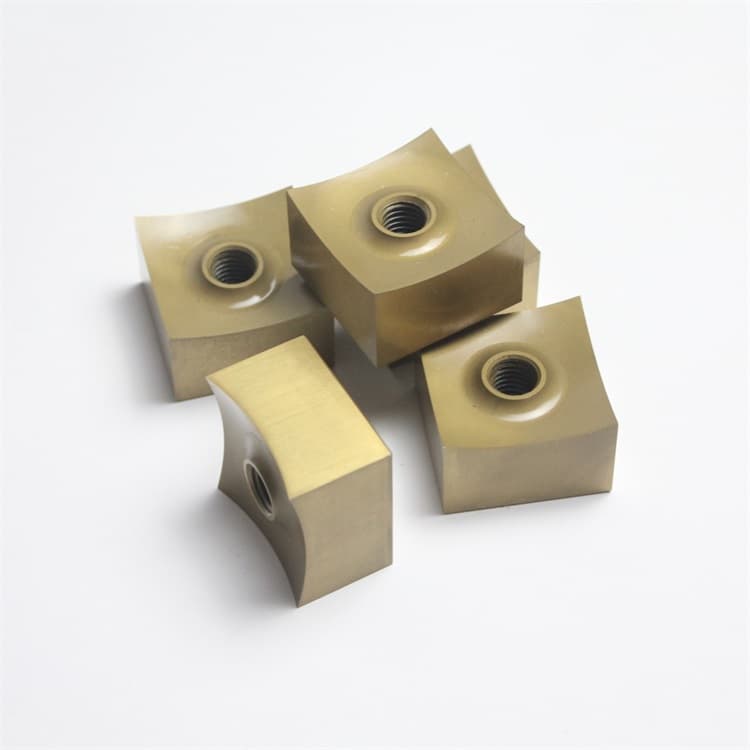
SSK-006
Hard Plastic Single-Shaft Shredder Knife
Hard Plastic Single-Shaft Shredder Knife is built for single-shaft shredders and film and woven bag shredding. Available in D2 / SKD11 / carbide-tipped alloy steel for wear resistance and repeated indexing in shredder rotors. The cutter geometry suits stacked shredder rotors and indexable cutter assemblies.
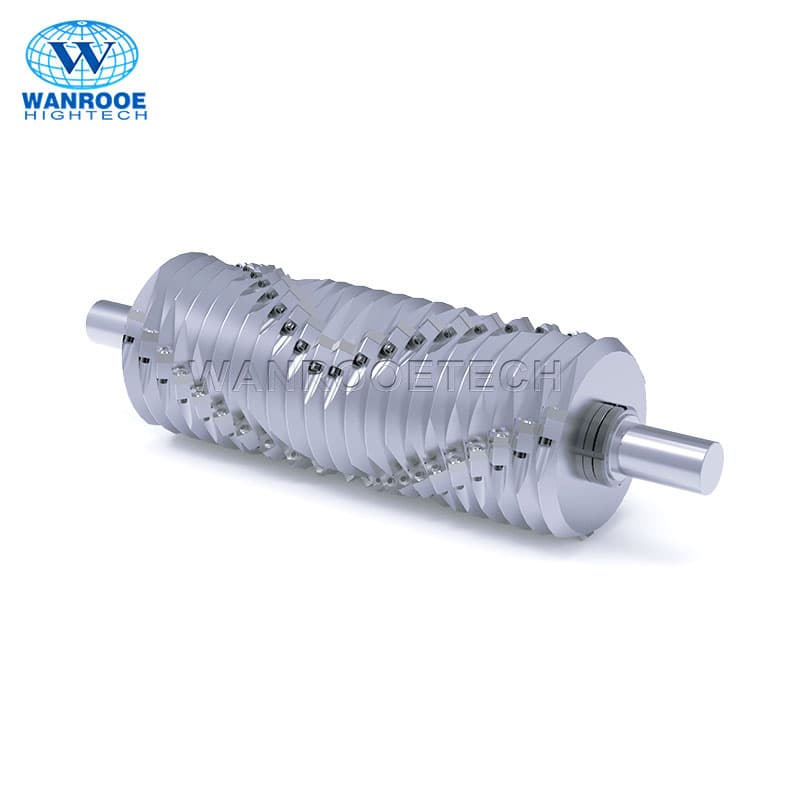
SSK-002
Plastic Single-Shaft Shredder Knife
Plastic Single-Shaft Shredder Knife is built for single-shaft shredders and film and woven bag shredding. Available in D2 / SKD11 / carbide-tipped alloy steel for wear resistance and repeated indexing in shredder rotors. The cutter geometry suits stacked shredder rotors and indexable cutter assemblies.
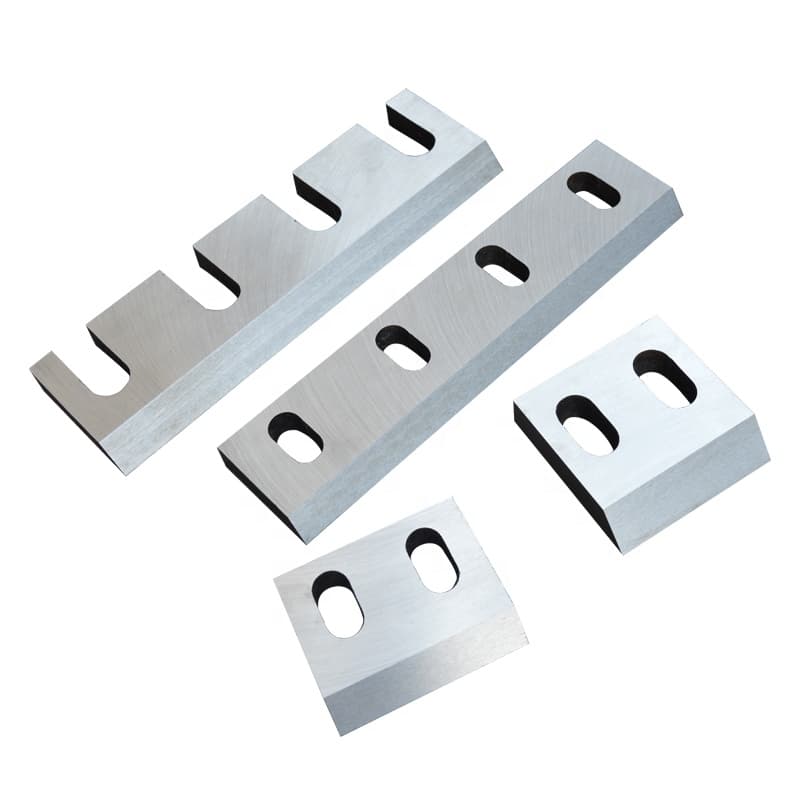
PCB-010
Fixed Plastic Crusher Knife
Fixed Plastic Crusher Knife is built for pet bottle crushing lines and rigid plastic size reduction. Available in D2 / SKD11 / Cr12MoV / HSS for wear resistance, stable knife clearance, and repeatable sharpening. The insert-style format fits compact cutter seats and short replacement positions.
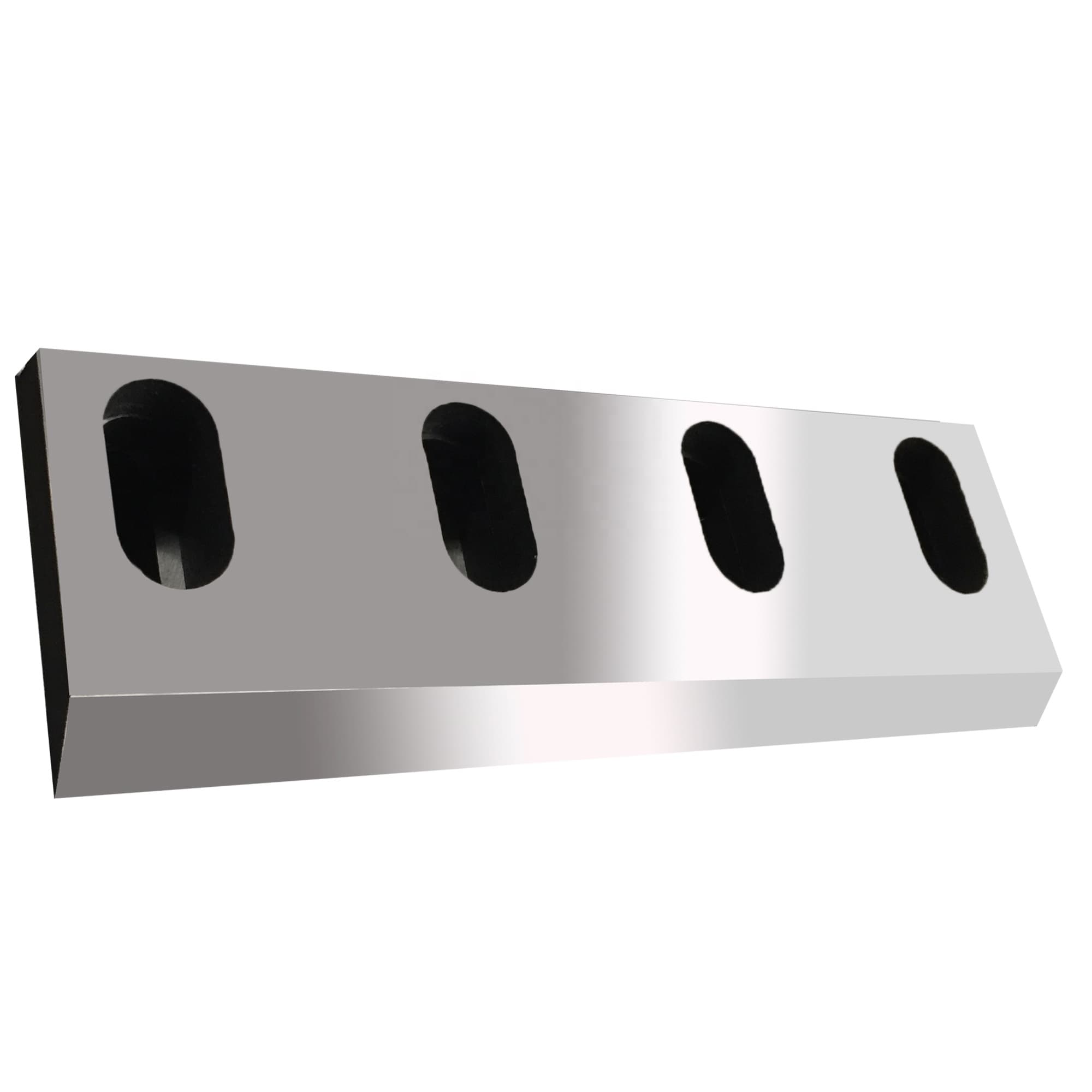
PCB-002
Plastic Crusher Plate Knife
Plastic Crusher Plate Knife is built for pet bottle crushing lines and rigid plastic size reduction. Available in SKD11 / 9CrSi for wear resistance, stable knife clearance, and repeatable sharpening. The straight edge format suits long bolt-on knife bars and clamp-mounted holders.
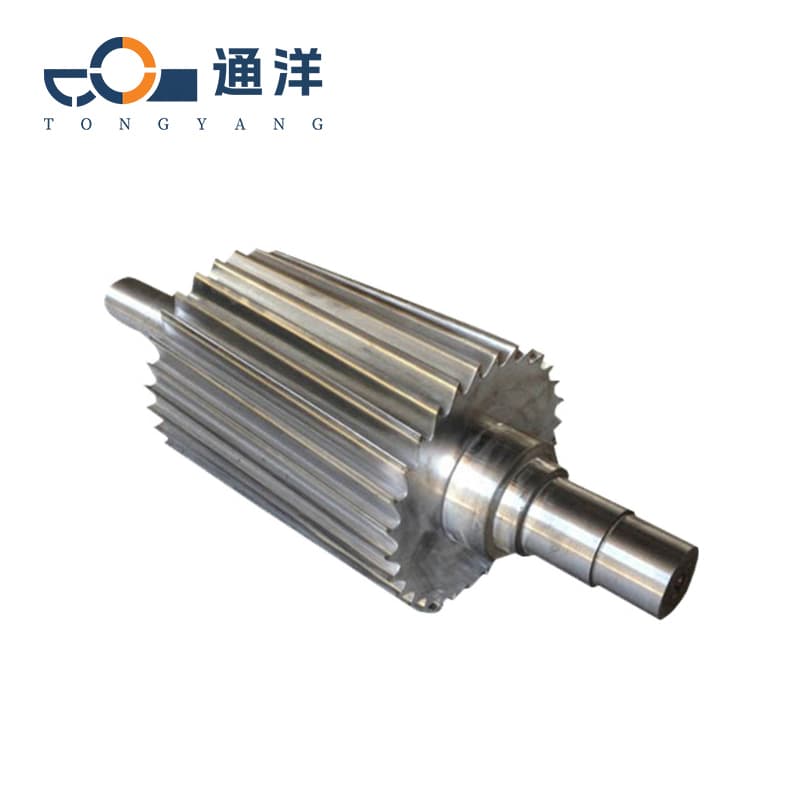
GBK-001
Granulator Bed Knife
Granulator Bed Knife is built for granulator bed knife replacement and pet bottle and rigid plastic grinding. Available in SKD11 / D2 / HSS / tungsten carbide for stable rotor clearance and consistent granulation quality. The insert-style format fits compact cutter seats and short replacement positions.
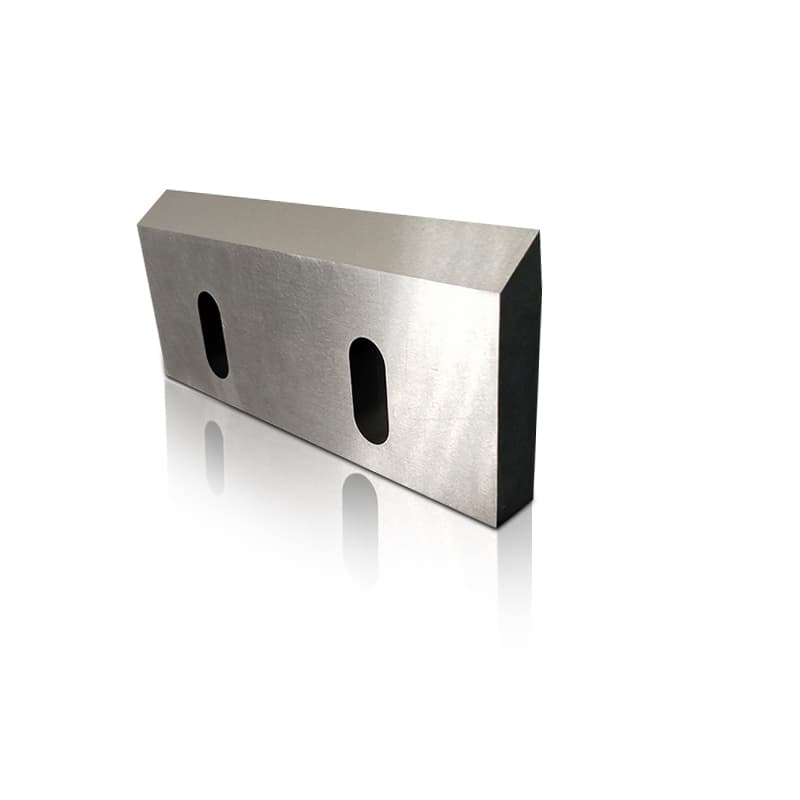
GBK-004
Granulator Stator Knife
Granulator Stator Knife is built for granulator bed knife replacement and pet bottle and rigid plastic grinding. Available in SKD11 / D2 for stable rotor clearance and consistent granulation quality. The insert-style format fits compact cutter seats and short replacement positions.
Related knife categories
Related articles
Single-Shaft Shredder Knife Indexing: Buyer RFQ Guide
An original buyer guide built from official machine documentation: when indexing helps, when chamber wear matters more, and what to send before requesting a quote.
Read articleGranulator Knife Gap Checklist: Reduce Dust, Fines, and Noise
A practical rotor-to-bed-knife inspection flow for recyclers seeing dusty regrind, noisy cutting, or repeated knife damage after a blade change.
Read articleFAQ for HDPE pipe and purge-lump knife buyers
Do I need to tell the supplier whether the feed is pipe or purge?+
Should I include pipe diameter and wall thickness in the RFQ?+
When should I mention the granulator if I mainly need shredder knives?+
Can you quote from worn parts and installed photos without a full drawing?+
Which internal pages should buyers compare next?+
Primary sources behind this guide
This guide was written only from official material from a pipe-industry association and machine makers covering recycled PE, pipe shredding, purge processing, and staged size reduction.
Plastics Pipe Institute
Recycling - Circular Economy
Confirms HDPE pipe is recyclable and says drainage-pipe makers already reuse about 600 million pounds of recycled PE per year.
View sourcePlastics Pipe Institute
Recyclability
Explains ASTM F2306 and AASHTO M294 as the guideline and requirements framework for recycled PE in HDPE drainage pipe.
View sourceZERMA
Single Shaft Shredder
Says ZRS pipe shredders handle large-diameter pipes up to 1200 mm without pre-cutting and can feed bundles or nested pipes and profiles.
View sourceZERMA
Pipe / profile shredders ZRS datasheet
Adds the line focus on large-diameter pipes, bundles of smaller pipes and profiles, and other rigid-plastic materials such as large lumps.
View sourceWEIMA
Shredding and recycling HDPE pipes
Shows HDPE pipe shredding as a dedicated single-shaft application rather than a generic plastic duty.
View sourceWEIMA
Shredding and recycling of plastic purge
Frames purge lumps as a common extrusion waste stream with economic value when recycled back into production.
View sourceWEIMA
Why we recommend a shredder in front of a granulator
Describes two-stage size reduction for start-up lumps, scrap parts, foils, cables, pipes, and similar feed.
View sourceNeed knives for HDPE pipe or purge-lump recycling?
Send pipe size or purge-block details, machine stage, installed photos, and the current symptom. We can review direct replacement versus wider stage-fit risk before production.