
Typical agricultural-film RFQ problems behind the inquiry
- •The buyer knows the line is handling agricultural film, but the RFQ still describes the job only as “PE film knives” without naming contamination level or machine stage.
- •The plant sees more soil, sand, stringers, or heat than before, yet purchasing is still treating the request as a direct repeat order.
- •The maintenance team has worn samples and photos, but no one wrote down whether the real complaint begins in pre-shredding, wet granulation, compaction, or pelletizing.
- •The downstream complaint is unstable washed flakes or pellet quality, but the quote request still ignores the stage that hands material into that problem.
Buyer conclusion first: quote agricultural-film knives by stage, contamination, and output target
Agricultural film should not be quoted as if it were only a dirtier version of clean PE trim. The official references repeatedly show that the real buying question is which stage is under review, how contaminated the feed is, and what the plant needs the next stage to receive. WEIMA describes used agricultural film as a stream that often carries earth, sand, stones, and even metal contamination, and it says the material is first shredded to roughly 60 to 80 mm before washing and later recycling steps. Genox says agricultural film can exceed 80 percent contamination and explains why pre-shredding and pre-washing are used to remove sand and grit.
For buyers, that means a serious RFQ should say whether the plant is trying to stabilize pre-shred size, washing-line feed, wet granulation, compactor intake, or pelletizing quality. If the line now runs hotter, drags more dirt forward, or gives the pelletizer a less stable washed-flake stream, the knife quote is no longer just a part-number exercise. It is a stage-fit exercise.
Where knife families appear on agricultural-film recycling lines
Agricultural-film lines usually use more than one knife family, and buyers should identify which one the current complaint belongs to:
- Single-shaft pre-shredder knives for opening loose or baled film and controlling the first size window before washing.
- Wet granulator knives and bed knives where the line needs a more uniform cut before drying or later processing.
- Cutter-compactor or agglomerator knives where washed film must be densified and stabilized before extrusion.
- Pelletizer cutters and blades where the line is already converting washed and prepared film into saleable pellets.
Genox’s YS page is useful here because it says the machine is usually placed at the front of a film washing system and names agricultural film among the typical applications. Polystar then carries the line forward by describing crushing, washing, drying, and pelletizing. In practical RFQ language, that means the buyer should say which stage the order belongs to before asking for price only.
How soil, sand, moisture, and mixed feed change the knife job
Agricultural film changes the knife job because contamination changes the duty long before dimensions change. A pre-shredder that once handled cleaner film can suddenly face more abrasive grit. A wet granulator that once cut a steadier stream can start seeing more dragging, more fines, or more unstable fixed-side wear. A cutter-compactor can start running hotter because the upstream film fraction is less consistent than before, even when the compactor knife itself still matches the holder.
This is why buyers should separate the RFQ by real feed condition:
- Washed or partially cleaned film still needs balanced wear because leftover contamination changes line behavior.
- Heavily contaminated agricultural film puts more pressure on pre-treatment stages and on the stability of the handoff into washing.
- Prepared washed flakes for repelletizing move the buying focus downstream toward densifying and pelletizing quality.
For the closest internal references, compare our single-shaft shredder knives, granulator knives, bed knives, cutter-compactor knives, and pelletizer blades.
What common field symptoms usually mean before you ask for price only
Oversized pre-shred or unstable washing-line feed usually tells the buyer to review the first cutting stage instead of jumping straight to the pelletizer. More fines, hotter wet cutting, or faster bed-knife wear usually point to a granulator-stage or fixed-side review. Hotter densifying, smoke, or unstable pellets often mean the compactor and pelletizer need to be reviewed together, especially after a feed change.
These symptoms matter because agricultural-film processors often describe them in plant language instead of engineering language. They say the line is “dragging dirt forward,” “running hot,” “making fluff,” or “not holding pellet quality.” Those are strong buyer signals. A supplier still has to translate them into the stage where the safer quote should begin.
If the complaint has already crossed stages, compare this application page with our agricultural-film solution page, our film cutter-compactor solution, and the agricultural-film RFQ article before sending the inquiry.
Practical selection notes for recyclers, dealers, and service teams
The safest way to structure an agricultural-film knife RFQ is to split the job into three levels. Level one is direct replacement because the stage is healthy and the request is for planned spares. Level two is stage review because contamination, heat, or output stability changed and the current stage may no longer match the duty. Level three is line review because the complaint now includes the next-stage symptom and the plant needs to re-check stage handoff.
For dealers and service teams, it also helps to state whether the order is for urgent restart, a validation batch, or a broader aftermarket review from worn samples. Those are different commercial situations, and the supplier should know whether the goal is fast replacement or a lower-risk reset of the stage strategy.
If you are not sure where to start, shortlist the nearest geometry through the plastic single-shaft shredder knife, film granulator insert knife, granulator bed knife, cutter-compactor knife, and pelletizer cutter pages, then send the details through the RFQ form.
RFQ checklist for agricultural-film recycling knives
The fastest low-risk RFQs combine fit data with contamination and stage context. Send these items in the first message whenever possible:
- Machine brand and model, plus the exact stage under review.
- Film type: mulch film, greenhouse film, silage film, or mixed agricultural PE.
- Feed condition: loose, baled, washed, partially cleaned, or heavily contaminated.
- Current symptom: unstable pre-shred, more grit carryover, more fines, hotter cut, compactor heat, pellet tails, or shorter knife life.
- One face photo, one side-profile photo, and one installed photo of the knife or cutting seat.
- One note about the next-stage complaint if the defect has already moved downstream.
- Whether the order is direct replacement, a trial batch, or a wider stage-fit review.
Buyers often have only worn samples and phone photos. That is normal in aftermarket work. On agricultural-film lines, the contamination note and the exact stage description are usually more valuable than a dimension table with no process context.
Representative parts for this line
Use the closest shape below as your RFQ reference, then send dimensions or old-blade photos for fit review.
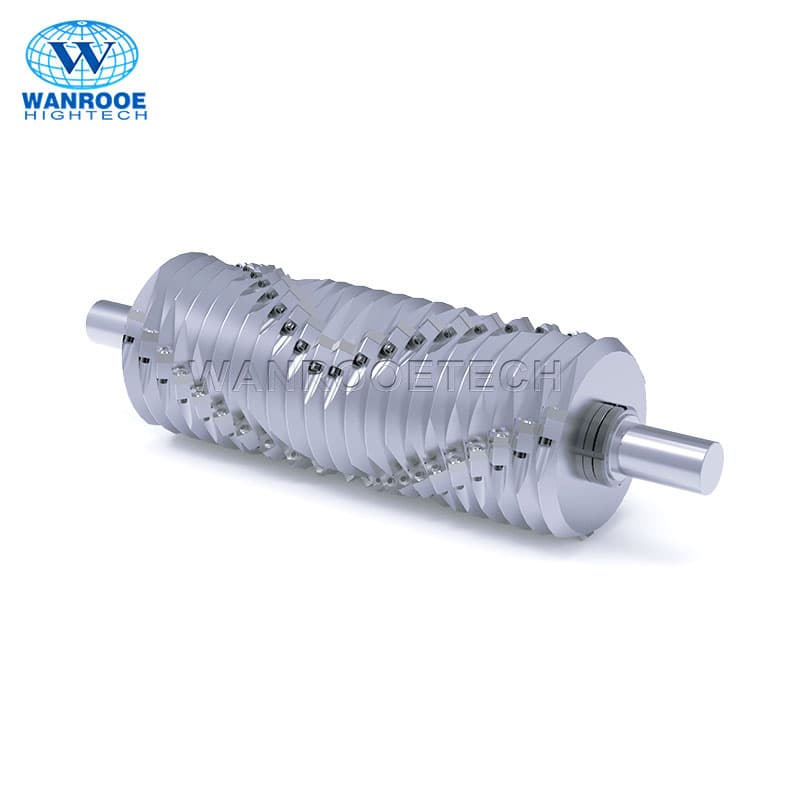
SSK-002
Plastic Single-Shaft Shredder Knife
Plastic Single-Shaft Shredder Knife is built for single-shaft shredders and film and woven bag shredding. Available in D2 / SKD11 / carbide-tipped alloy steel for wear resistance and repeated indexing in shredder rotors. The cutter geometry suits stacked shredder rotors and indexable cutter assemblies.
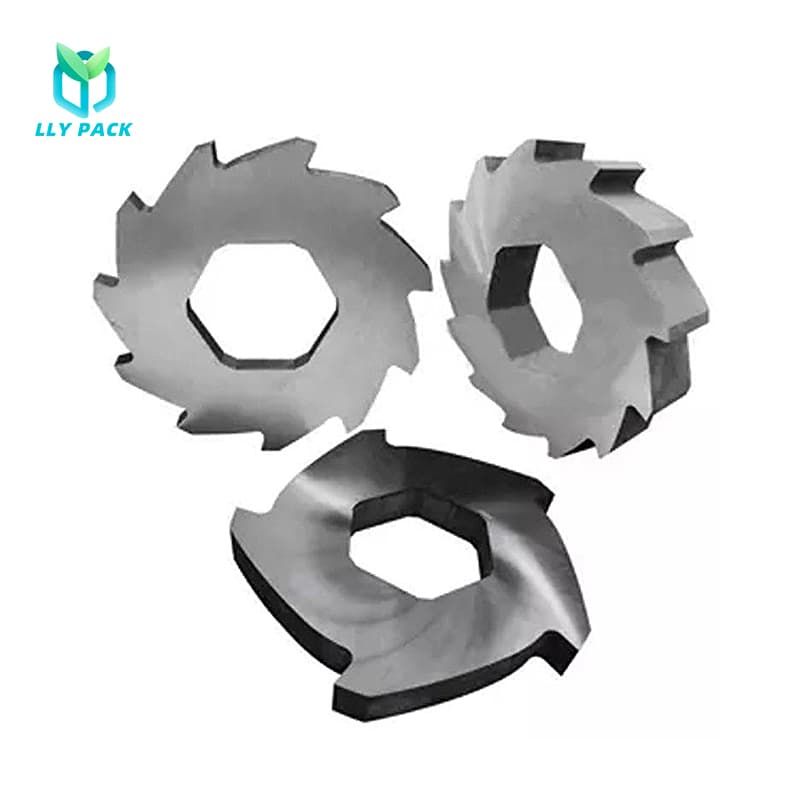
SSK-001
Carbide Single-Shaft Shredder Knife
Carbide Single-Shaft Shredder Knife is built for single-shaft shredders and film and woven bag shredding. Available in SKD11 / D2 / HSS / Tungsten Carbide for wear resistance and repeated indexing in shredder rotors. The cutter geometry suits stacked shredder rotors and indexable cutter assemblies.
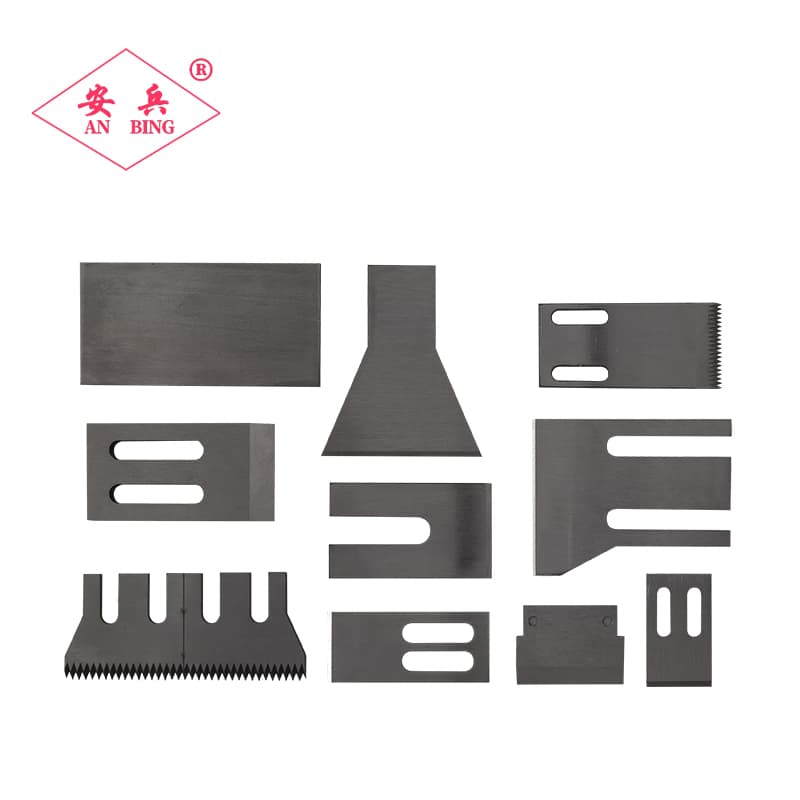
PGK-004
Film Granulator Insert Knife
Film Granulator Insert Knife is built for film and woven bag granulation and edge trim recovery. Available in SKD11 for clean regrind, stable clearance, and practical resharpening cycles. The insert-style format fits compact cutter seats and short replacement positions.
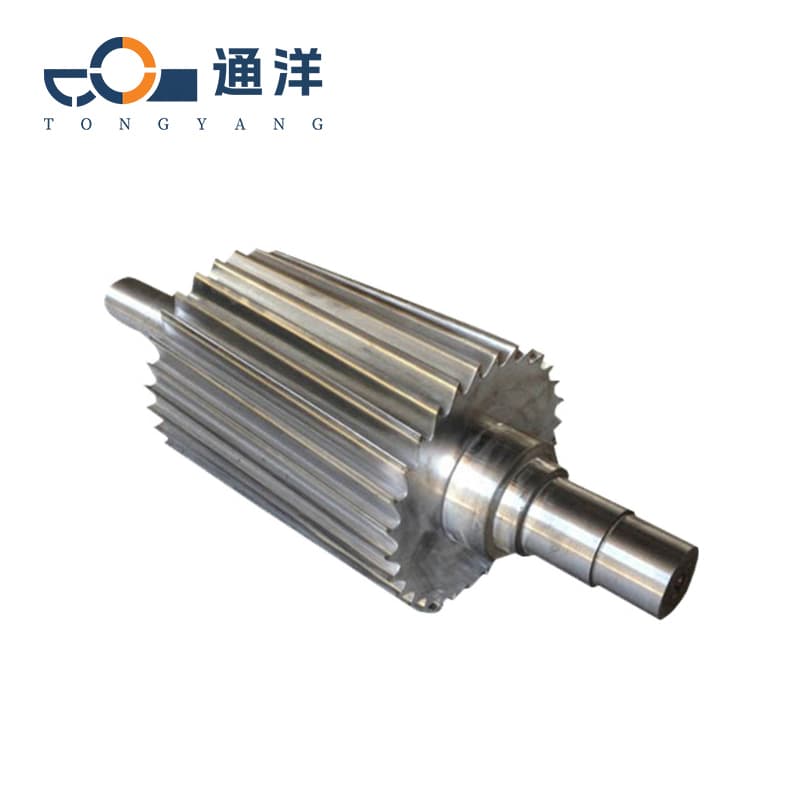
GBK-001
Granulator Bed Knife
Granulator Bed Knife is built for granulator bed knife replacement and pet bottle and rigid plastic grinding. Available in SKD11 / D2 / HSS / tungsten carbide for stable rotor clearance and consistent granulation quality. The insert-style format fits compact cutter seats and short replacement positions.
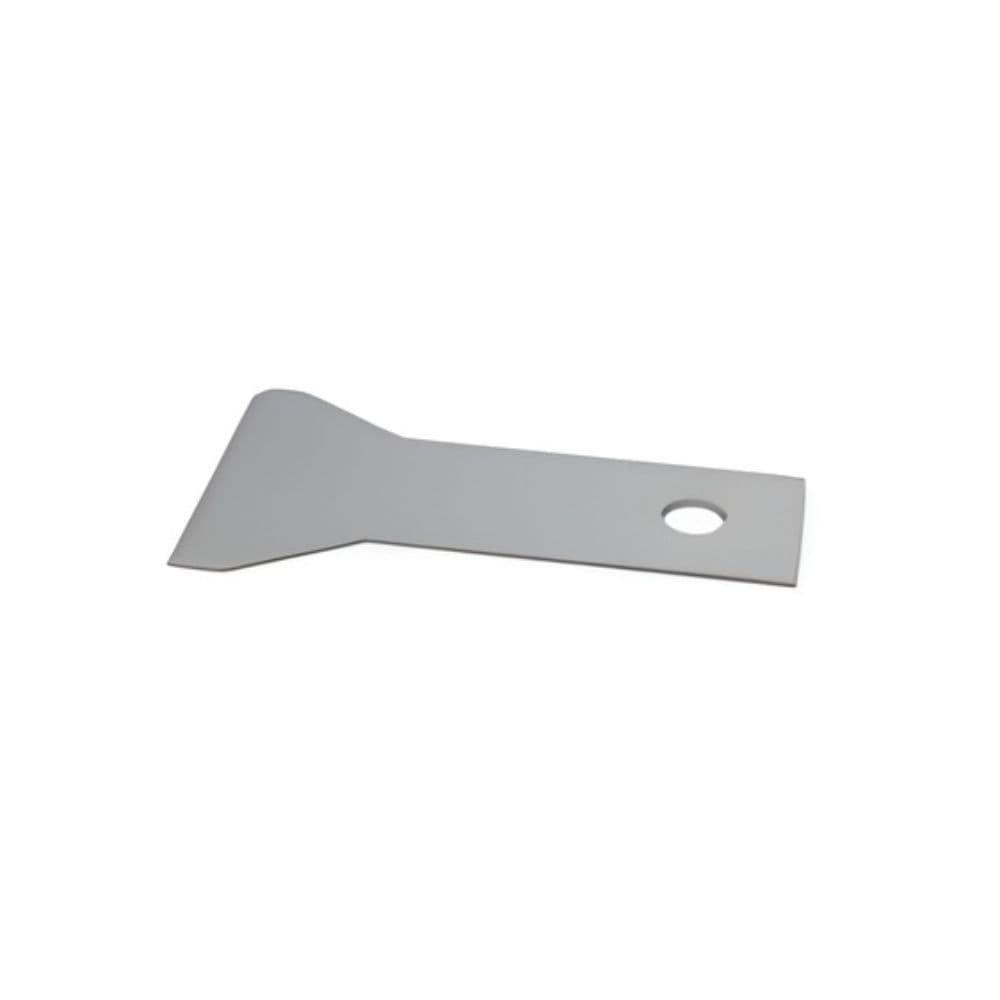
CCK-006
EREMA-Compatible Cutter Compactor Knife
EREMA-Compatible Cutter Compactor Knife is built for cutter compactor rotor replacement and film densifying systems. Available in D2 / SKD11 / HSS / alloy steel for impact resistance, heat control, and predictable regrinding. The straight edge format suits long bolt-on knife bars and clamp-mounted holders.
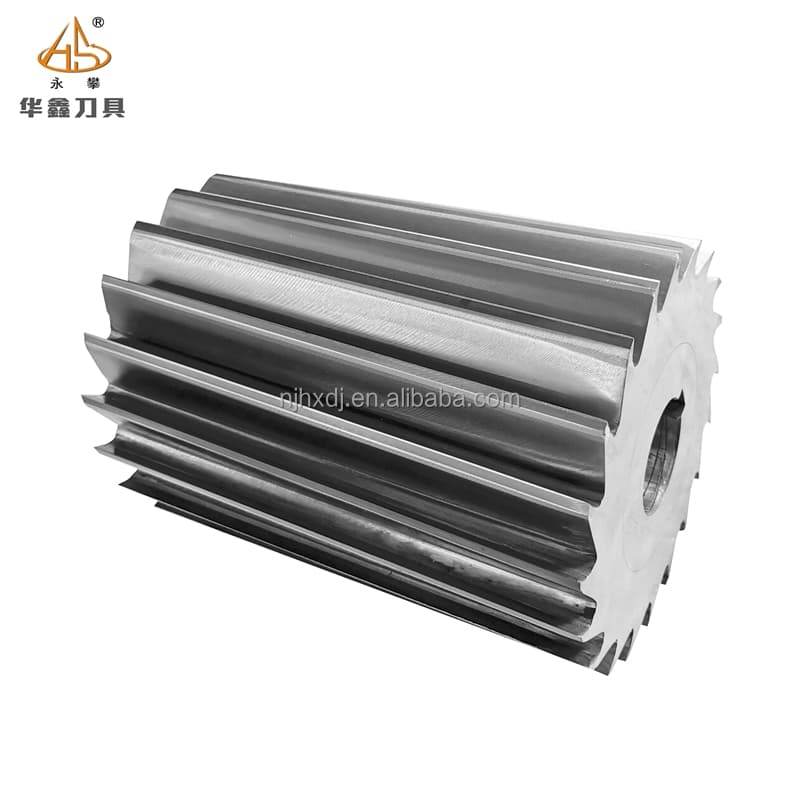
PPB-008
Fluted Pelletizer Cutter
Fluted Pelletizer Cutter is built for pelletizer head rebuilds and feed roller replacement. Available in D2 / SKD11 / M2 / HSS for clean pellet cut quality and steady service life. The profiled form matches rotating cutter drums, hob heads, or feed-roll assemblies.
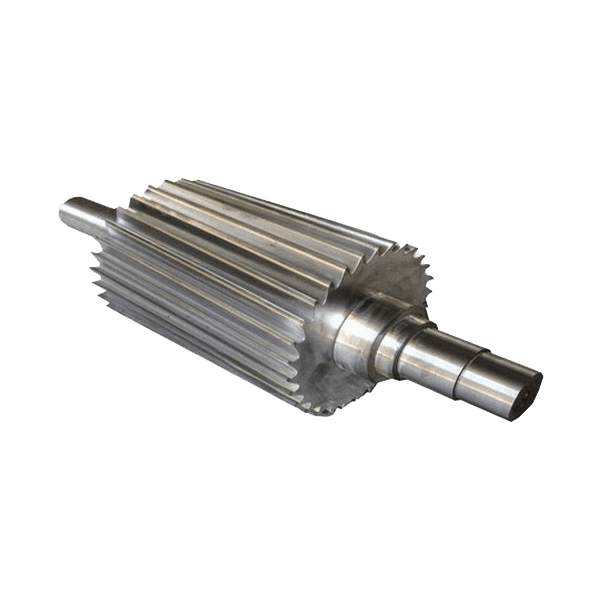
PPB-003
EREMA and BKG-Compatible Pelletizer Blade
EREMA and BKG-Compatible Pelletizer Blade is built for strand pelletizer knife replacement and die-face pelletizer maintenance. Available in SKD11 / D2 for clean pellet cut quality and steady service life. The profiled body suits fixed or rotary stations where alignment and edge exposure matter.
Related knife categories
Related articles
Agricultural film knife RFQ guide: what recyclers should send before ordering shredder, wet-granulator, compactor, or pelletizer blades
A source-backed buyer guide for agricultural film recycling knives: stage fit, contamination notes, machine-stage routing, and the RFQ details that reduce repeat failures.
Read articlePelletizer Knife RFQ Guide: What Buyers Should Send Before Ordering Replacement Cutters
A source-backed buyer guide for die-face and strand pelletizer knives: machine-stage fit, startup scrap signals, and the RFQ data that prevents repeat failures.
Read articleGranulator Knife Gap Checklist: Reduce Dust, Fines, and Noise
A practical rotor-to-bed-knife inspection flow for recyclers seeing dusty regrind, noisy cutting, or repeated knife damage after a blade change.
Read articleFAQ for agricultural-film recycling knives
Should the RFQ identify the exact machine stage?+
Do buyers need to mention soil, sand, and metal contamination?+
What if the line only has old knives and installed photos?+
Why can pellet quality drift even if the visible knife stage did not change?+
Which internal pages should buyers compare next?+
Primary sources behind this application guide
These official sources define the contamination level, stage sequence, and downstream pelletizing logic of agricultural-film recycling, which is why they matter directly to the RFQ.
WEIMA
Shredding and recycling agriculture film
Explains contamination-heavy used film, the 60 to 80 mm first shredding target, and service access around rotor and counter knives.
View sourceGenox
Agricultural film recycling solution
States that agricultural film can exceed 80 percent contamination and describes pre-shredding and pre-washing to remove sand and grit.
View sourceGenox
YS Series Single Shaft Pre-Shredder
Places the pre-shredder at the front of a film washing system and lists agricultural film as a typical application with durable blades and low dust.
View sourcePolystar
Agricultural film recycling
Describes the route from crushing through washing and drying to pelletizing, which helps buyers connect knife stages to the full line.
View sourceEREMA
INTAREMA
Lists washed LDPE flakes and agricultural film among supported materials, linking prepared film feed directly to repelletizing duty.
View sourceNeed agricultural-film knives checked against the real contamination stage?
Send the machine stage, film condition, installed photos, and the next-stage complaint. We can review whether the safest route is direct replacement or a wider stage-fit reset.