
Typical RFQ problems behind automotive reject-part knife requests
- •The plant asks for the same granulator knife again, but the real complaint is already larger reject parts, hotter regrind, unstable output, or short life after the feed changed.
- •The buyer has one worn knife, machine photos, and a line complaint, yet the request still does not say whether the job is sprues and reject products, larger molded parts, or bulky automotive production waste.
- •The inquiry still reads like a generic molding-spares reorder even though metal-risk notes, separator sensitivity, or central-granulation duty now make it a narrower stage-fit buying problem.
- •The line now handles more warm parts or larger components than before, but the RFQ still says only "same knife again."
Buyer conclusion first: quote the automotive part family, the real machine stage, and the downstream complaint together
If an automotive plastics line starts losing clean regrind, generating more heat, or struggling because the feed now includes larger reject parts than before, the lower-risk RFQ is usually not a one-part reorder. The safer route is to quote the actual stage under review, the real part family, and the downstream complaint together.
ZERMA's GSL brochure frames slow-speed granulation around runners, sprues, and rejects. Rapid's 200 Series frames the same kind of in-line recycling for sprues and reject products. Rapid's injection-molding page then moves into central granulation of automotive parts, while WEIMA's S7.20 page moves into shredder-first automotive production waste. Those are direct buyer signals: the safer RFQ must name where the job now belongs.
Use this page together with our new automotive granulator-versus-shredder article, the new automotive stage-fit solution page, the injection sprue-and-runner guide, the screenless sprue-and-runner guide, and the contact page when the line needs to move from "same cutter again" to a safer application-specific quotation.
Why automotive reject-part recycling is its own application, not just a generic molding-spares reorder
Automotive reject-part recycling sits between several machine worlds. Some lines still behave like classic machine-side sprue granulation. Others are already working more like central granulation of larger reject products. Others need upstream shredding because the bulky molded parts no longer suit the original granulator route. That is why the application deserves its own knife-buying language.
Rapid's injection-molding page is especially useful because it keeps both small and larger reject-part routes visible in one official source set. WEIMA's S7.20 automotive example is useful because it shows that production waste from automotive programs can move into a shredder-first route before final reprocessing. Vecoplan's VDZ page is useful because it explicitly connects bulky components with a two-stage reduction path that still targets final grain size.
That is why this page stays narrower than a general rigid-plastic guide. The broader guide covers many rigid feeds. This page is specifically for the buyer who already knows the line is handling automotive reject parts or bulky automotive production waste and now needs the right replacement-knife language for that work.
Where these knives fit on automotive reject-part recycling lines
Leader Blades mainly fits the cutting positions and wear parts that matter on staged automotive reject-part lines:
- Granulator rotor and insert knives when the line still granulates sprues, reject products, and moderate-size molded parts directly.
- Bed, fixed, and stator-side parts when the visible complaint has moved into heat, dust, fines, or unstable regrind quality.
- Single-shaft shredder knives when larger molded components or bulky automotive production waste now need an opening stage first.
- Adjacent stage-fit review when the visible wear is on one part family but the complaint already crosses the next stage.
Start from the nearest product routes: fixed granulator knife, granulator insert knife, granulator bed knife, stationary granulator bed knife, granulator fixed knife, granulator stator knife, plastic single-shaft shredder knife, and hard-plastic single-shaft shredder knife.
The practical point is to keep the quotation attached to the knife family the current stage actually uses, instead of forcing the whole automotive line into one generic replacement template.
Machine-stage fit: sprues, reject products, central granulation, and bulky automotive waste do not ask the same thing from the knife
ZERMA's GSL and Rapid's 200 Series frame the first route around runners, sprues, and reject products. That is machine-side or near-press buyer language. Rapid's 600 Series and its automotive injection-molding example then move the buyer into central-granulation language for larger reject parts and metal-support options. WEIMA's S7.20 and Vecoplan's VHD move the buyer farther upstream into shredder-first language for bulky technical plastics.
Rapid's FAQ makes the route distinction commercially useful. Its guidance separates a granulator route for smaller, more homogeneous fragments from a shredder route for larger or more challenging materials. That means the safer RFQ starts by naming whether the line is still fighting granulation quality or is already failing on intake and first reduction.
This stage fit matters even more when the feed changes. A line that once handled mostly sprues may now be taking larger warm molded parts, more reject products, or different downstream quality expectations. The machine model may be unchanged, but the knife duty is not.
What the official OEM pages actually tell buyers to confirm before ordering
Rapid matters because it keeps the route from machine-side recycling to automotive-parts central granulation visible in the same official family. WEIMA matters because it ties plastic production waste to reintroduction into the production cycle, then narrows that logic through the S7.20 automotive production-waste example. Vecoplan matters because it frames bulky components around a combined shredder-granulator path that still aims at final grain size.
The buyer-side translation is simple: the first email should state the stage, the part family, whether metal risk or separator dependence is relevant, and the downstream complaint before it states only the outer dimensions of the old knife.
If the feed moved from small molding scrap to larger automotive components, say that directly. If the line now depends on lower dust, more homogeneous granulate, or safer handling of metal-risk reject parts, say that directly too. Those notes are not optional context. They are the RFQ itself.
Practical selection notes for stage handoff, metal-risk awareness, and lower-risk aftermarket RFQs
The safest buying structure separates three cases. Level one is direct replacement because the stage is stable, the feed is unchanged, and the buyer only needs the same knife family again. Level two is stage review because the complaint now includes larger reject parts, hotter running, more fines, or a changed automotive part mix. Level three is line review because the current complaint already links the granulator, the upstream opening stage, and the downstream quality or separator target together.
Dealers and service teams should also say whether the request is for emergency restart stock, a validation batch, or a planned spare program. End users should say whether the line is losing control on intake, central granulation, fixed-side stability, metal-risk handling, or downstream granulate consistency. Those are different commercial problems, and they should not be compressed into one generic replacement request.
If you are not sure where to begin, compare this page with our new automotive stage-fit solution page, the OEM-compatible replacement guide, the rigid-plastic guide, the new comparison article, and the granulator knife-gap checklist. That route keeps the RFQ tied to the machine stage where the line is really losing stability.
RFQ checklist for automotive reject-part cutter jobs
The strongest RFQs in this category combine geometry with stage evidence. Send these items in the first message where possible:
- Machine brand and model, plus whether the stage is machine-side granulation, central granulation, or upstream shredding.
- Feed description: sprues, reject products, larger molded parts, engine-cover-style scrap, parcel-shelf-type scrap, or mixed automotive production waste.
- One close photo of the visible cutter, one side-profile photo, and one installed photo of the chamber, holder, or fixed side.
- Current symptom: hot running, more fines, short life, poor intake, unstable granulate, separator-sensitive carryover, or metal-risk feed.
- Any downstream note if the line is already being judged by cleaner granulate, separator performance, or direct internal reuse.
- Whether the request is direct replacement, a small validation batch, or a wider stage-fit review.
If you only have a worn part and machine photos, say that directly. In automotive reject-part aftermarket work, that is normal. Good installed photos, the machine stage, and the real complaint are usually enough to begin review.
Representative parts for this line
Use the closest shape below as your RFQ reference, then send dimensions or old-blade photos for fit review.
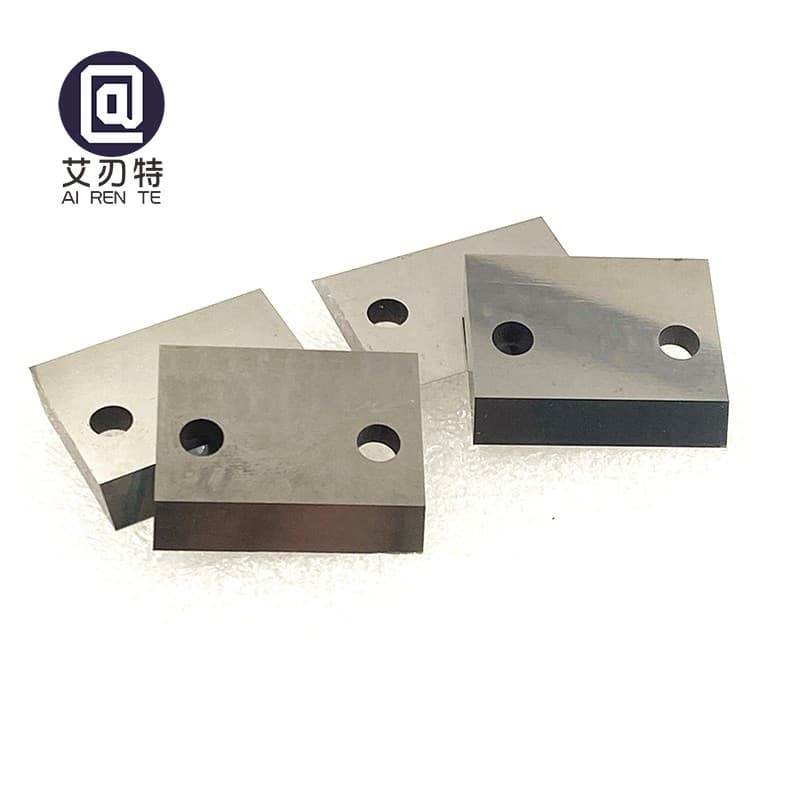
PGK-001
Fixed Granulator Knife
Fixed Granulator Knife is built for plastic granulation lines and rigid and film regrind. Available in SKD11 / D2 / HSS / 9CrSi for clean regrind, stable clearance, and practical resharpening cycles. The profiled body suits fixed or rotary stations where alignment and edge exposure matter.
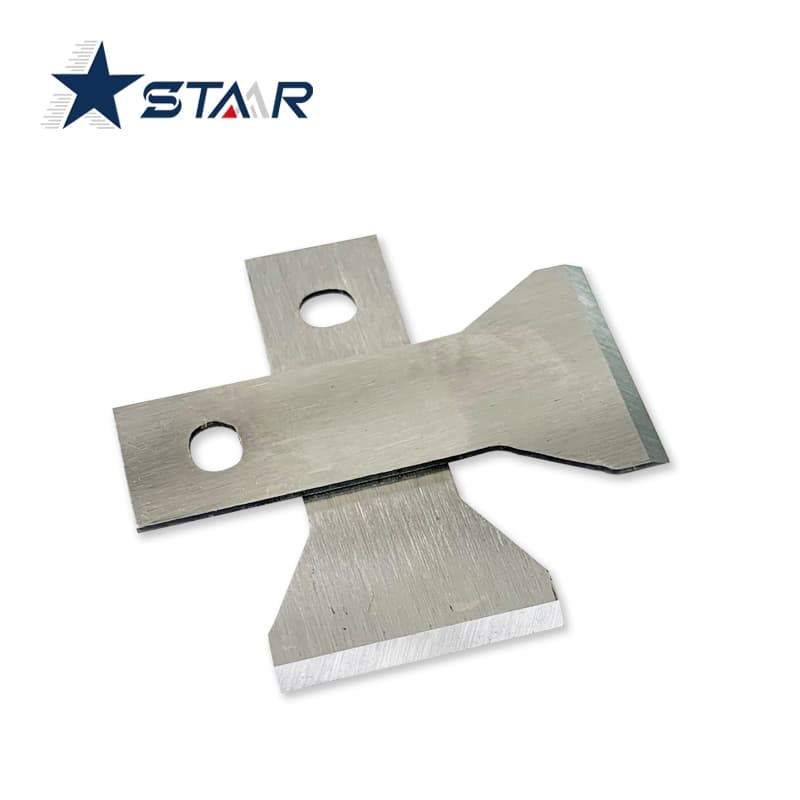
PGK-002
Granulator Insert Knife
Granulator Insert Knife is built for plastic granulation lines and rigid and film regrind. Available in SKD11 / D2 / HSS / 9CrSi for clean regrind, stable clearance, and practical resharpening cycles. The insert-style format fits compact cutter seats and short replacement positions.
GBK-001
Granulator Bed Knife
Granulator Bed Knife is built for granulator bed knife replacement and pet bottle and rigid plastic grinding. Available in SKD11 / D2 / HSS / tungsten carbide for stable rotor clearance and consistent granulation quality. The insert-style format fits compact cutter seats and short replacement positions.
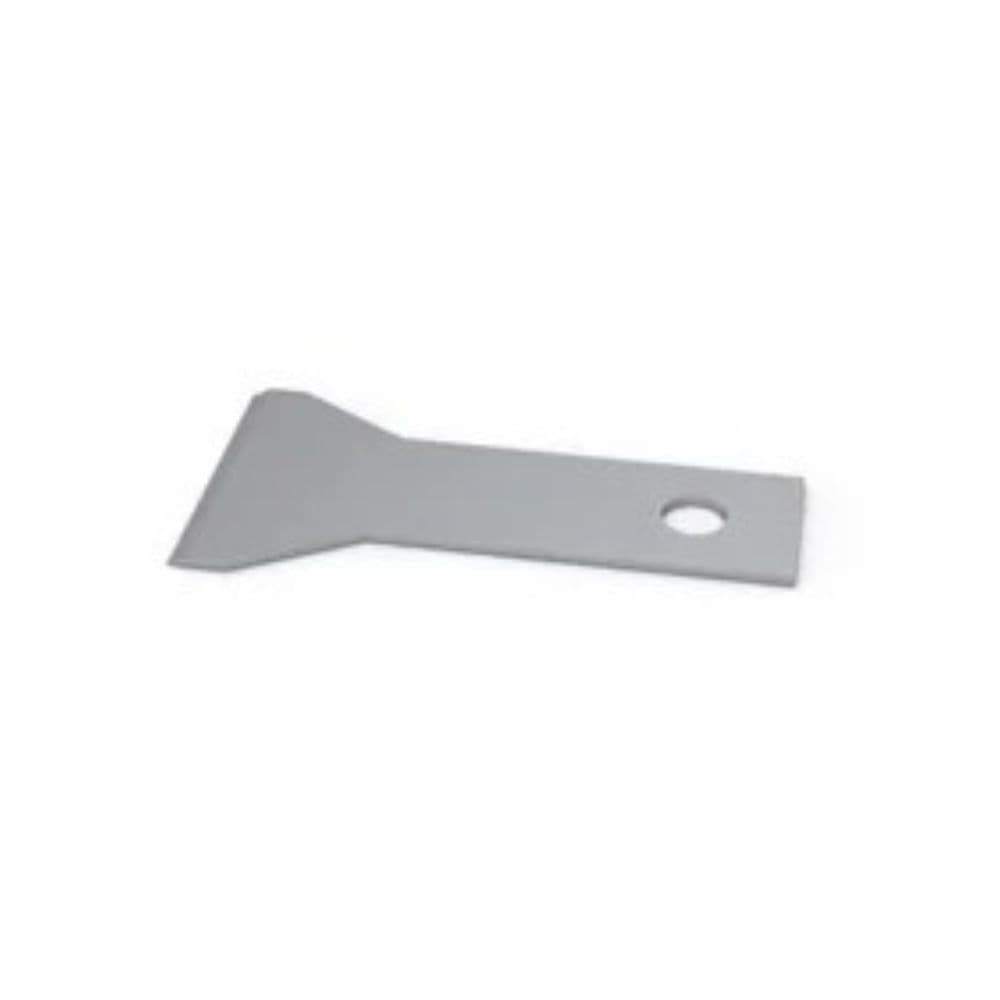
GBK-002
Stationary Granulator Bed Knife
Stationary Granulator Bed Knife is built for granulator bed knife replacement and pet bottle and rigid plastic grinding. Available in Alloy Steel for stable rotor clearance and consistent granulation quality. The straight edge format suits long bolt-on knife bars and clamp-mounted holders.
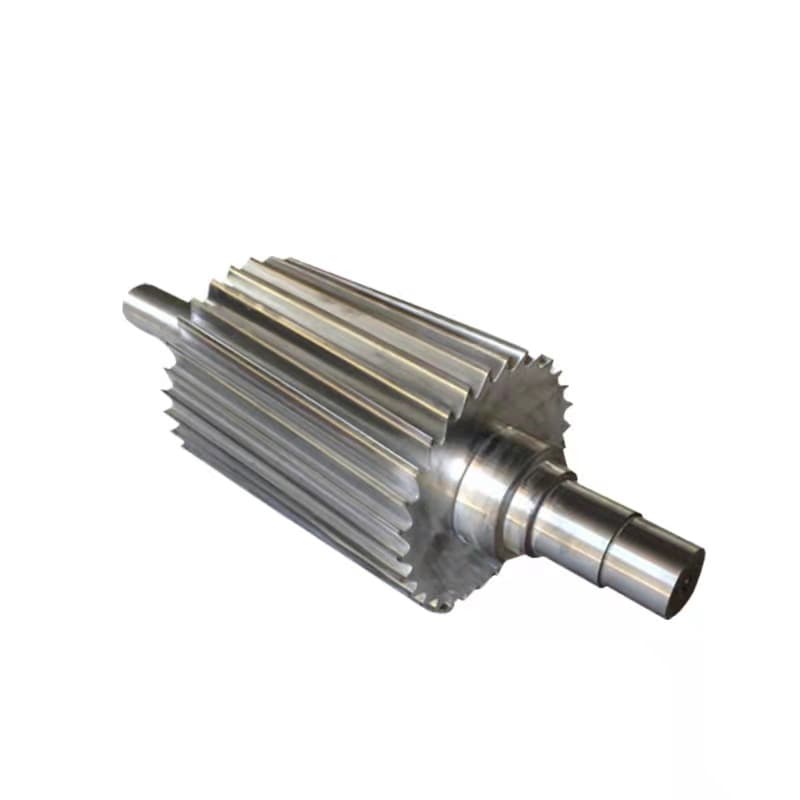
GBK-005
Granulator Fixed Knife
Granulator Fixed Knife is built for granulator bed knife replacement and pet bottle and rigid plastic grinding. Available in SKD11 / D2 / HSS / tungsten carbide for stable rotor clearance and consistent granulation quality. The profiled body suits fixed or rotary stations where alignment and edge exposure matter.
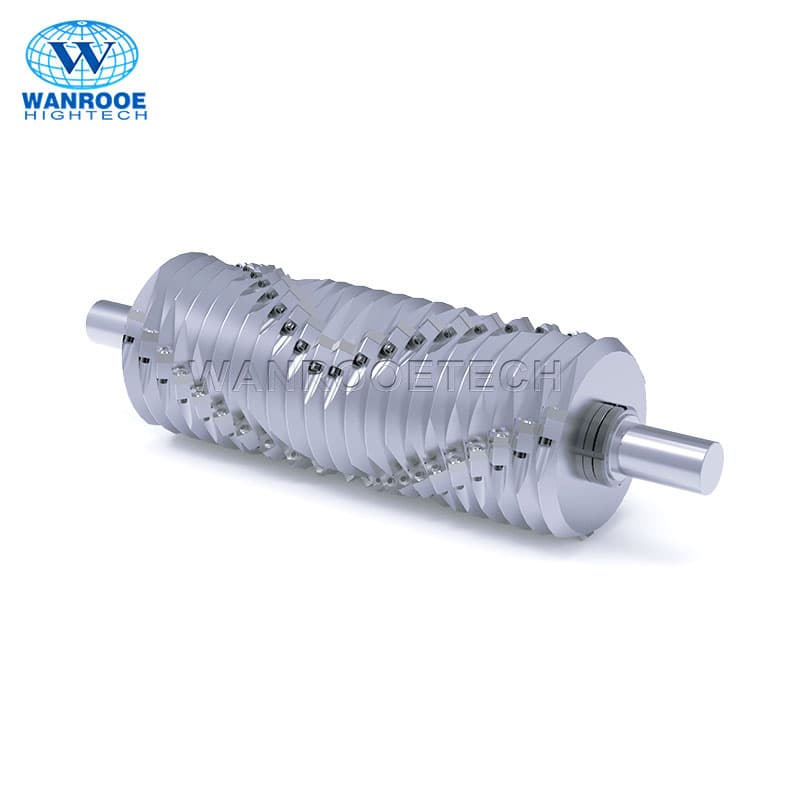
SSK-002
Plastic Single-Shaft Shredder Knife
Plastic Single-Shaft Shredder Knife is built for single-shaft shredders and film and woven bag shredding. Available in D2 / SKD11 / carbide-tipped alloy steel for wear resistance and repeated indexing in shredder rotors. The cutter geometry suits stacked shredder rotors and indexable cutter assemblies.
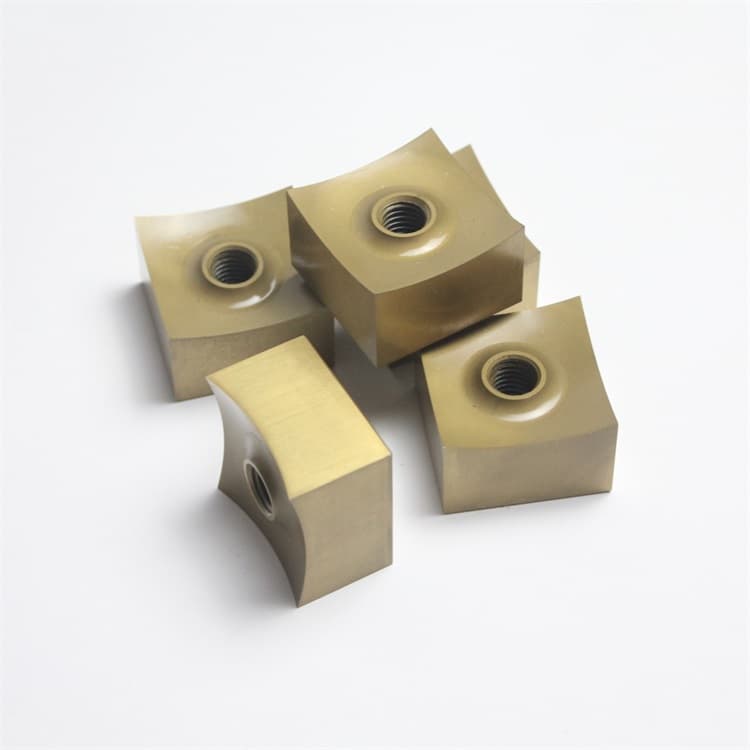
SSK-006
Hard Plastic Single-Shaft Shredder Knife
Hard Plastic Single-Shaft Shredder Knife is built for single-shaft shredders and film and woven bag shredding. Available in D2 / SKD11 / carbide-tipped alloy steel for wear resistance and repeated indexing in shredder rotors. The cutter geometry suits stacked shredder rotors and indexable cutter assemblies.
Related knife categories
Related articles
Automotive part granulator vs shredder RFQ guide: what reject-part buyers should confirm before ordering knives
A source-backed buyer guide for deciding whether an automotive plastic reject-part knife RFQ belongs with the current granulator route or with a central-granulation or shredder route first.
Read articleGranulator Knife Gap Checklist: Reduce Dust, Fines, and Noise
A practical rotor-to-bed-knife inspection flow for recyclers seeing dusty regrind, noisy cutting, or repeated knife damage after a blade change.
Read articleScreenless vs screened granulator RFQ guide: what sprue-and-runner buyers should confirm before ordering knives
A source-backed buyer guide for deciding whether a sprue-runner knife RFQ belongs with a screenless low-speed cutter family or a screened granulator cutting pair first.
Read articleFAQ for automotive plastic reject-part recycling knives
What makes an automotive reject-part knife RFQ different from a general rigid-plastic RFQ?+
Do buyers need to mention metal risk or separator dependence on automotive jobs?+
When should a buyer widen the request from granulator knives to shredder knives as well?+
Can a supplier review automotive reject-part jobs from worn samples and installed photos only?+
Which internal pages should buyers compare next?+
Primary sources behind this automotive reject-part guide
These official sources were used to map machine-side molding scrap, central granulation of larger automotive parts, and upstream shredding of bulky automotive production waste.
Rapid
Injection-molding recycling solutions
Shows both direct recycling of reject products and central granulation of automotive parts, including metal detector or separator support.
View sourceRapid
200 Series granulator page
Positions small granulators around in-line recycling of large sprues and reject products, which is useful for machine-side RFQ language.
View sourceRapid
600 Series granulator page
Supports central granulation and larger-product duty rather than only small machine-side molding scrap.
View sourceRapid
FAQ page
Separates granulator duty for smaller, more homogeneous fragments from shredder duty for larger or more challenging materials.
View sourceZERMA
GSL slow-speed granulator brochure
Frames slow-speed granulation around runners, sprues, and rejects on molding lines.
View sourceWEIMA
Plastic-shredding overview
Shows plastic production waste being reintroduced into the production cycle and supports stage-first buyer logic.
View sourceWEIMA
S7.20 automotive production-waste example
Directly frames automotive production waste such as engine covers and parcel shelves as shredder-first duty followed by later processing.
View sourceVecoplan
VHD 1600 T page
Supports bulky technical hard-plastics duty for demanding mechanical properties.
View sourceVecoplan
VDZ combined shredder-granulator page
Maps bulky components to a combined reduction route that still aims at target grain size.
View sourceNeed automotive reject-part recycling knives matched to the real stage and downstream target?
Send the machine model, stage, part-family description, installed photos, and the complaint you are trying to remove. We can review direct replacement versus a wider stage-fit quotation.