
Typical RFQ problems on sprue and runner granulation
- •The granulator still cuts, but regrind becomes dusty, long, hot, or inconsistent after a knife change.
- •The buyer asks for “the same knife again” even though runner size, resin family, or robot feed behavior has changed.
- •A worn rotor knife was replaced, but the fixed bed-knife side, screen condition, or gap setting was never reviewed.
- •The plant has photos and old parts but no full OEM drawing, and production cannot wait for guesswork.
Buyer conclusion: quote the cutting pair and the machine stage, not only the knife outline
If an injection molding granulator begins making dusty regrind, long tails, louder cutting noise, or more heat after a knife change, the safest commercial conclusion is not simply “buy harder knives.” The safer conclusion is to review the rotor knife family, the bed-knife side, and the actual machine stage together. Official machine builders repeatedly describe clean regrind as the result of cutting action, rotor design, bed-knife condition, screen or screenless setup, and how sprues and runners are fed into the chamber.
That matters for buyers because machine-side granulators on injection molding lines are not doing a generic recycling job. They are expected to return valuable regrind to the process with low dust, predictable particle size, and stable operation beside the press. When that result drifts, the RFQ should name the machine stage and the symptom first, then the knife geometry.
The first buying decision is therefore commercial as much as technical. Are you replacing a known-good cutter set after normal wear, or are you trying to remove a process defect that now shows up as fines, longs, heat, bridging, or unstable regrind? Those are different RFQs, and they should not be priced as if they were the same job.
Machine-stage fit: screenless, screened, and beside-the-press granulators do not ask the same thing from the knife
Rapid's 200 Series page positions small granulators around in-line recycling of defective products and large sprues. Conair's 6 Series Viper describes quality regrind from robot-fed sprues, runners, and small parts, with tangential feed, hardened cutting chambers, and replaceable knives. Conair's S Series uses a screenless cutter housing and ultra-low rotor speed to reduce sprues and runners to consistent granules with very low fines and longs. Those are not small wording differences. They define different cutting expectations and different knife-buying logic.
WITTMANN makes the same point on its granulators overview. Its G-Max beside-the-press line is designed for closed-loop recycling of sprues and runners from injection molding machines, while its screenless S-Max family emphasizes low speed, low wear on cutting tools, lower sound levels, and consistent regrind. So before buying a replacement knife, the first question is whether the granulator relies on screened scissor cutting or on slower screenless reduction for a cleaner, lower-fines result.
That stage fit becomes even more important when runner geometry changes. A line that once handled short PP runners may now be taking larger ABS or PC sprues, hotter parts, robot drops from a different angle, or more reject parts during startup. The granulator model may be the same, but the knife duty is no longer identical. A serious RFQ should say what changed.
What the official OEM material actually tells buyers to pay attention to
Rapid's 600 Open-Hearted page ties high-quality regrind to clean scissors-cutting action, a constant cutting circle, and uniform granules with minimal dust content. That is a direct purchasing signal: if the complaint is dust, the buyer should not ask only for a new rotor knife. The RFQ should also mention the bed-knife side, screen condition, and current gap behavior.
Conair says the 6 Series uses hardened cutting chambers and screens, solid-core rotors, and replaceable knives. It also highlights tool-free access for regular maintenance. That means the cutter family belongs in a maintenance system, not just a parts list. If the plant is now delaying cleaning or gap review because production got tighter, the supplier should hear that before recommending “same geometry again.”
WITTMANN's G-Max XL article adds more procurement value. It describes an open 3-blade rotor for warm parts, pre-adjustment of the cutting gap outside the chamber, and rotating and fixed blades angled in opposite directions to create a clean scissor cut. Those are exactly the commercial clues a buyer should translate into the RFQ: warm material, gap control, scissor cutting, and the condition of both moving and fixed sides.
Practical selection: when rotor knives, bed knives, screens, and feed conditions should be reviewed together
If your line uses a screened granulator beside the press, the rotor knife and the fixed bed knife normally have to be reviewed as a cutting pair. Dust, heat, and poor regrind quality often point to the gap or the fixed side just as much as to the moving knife. If the machine is screenless and low-speed, the regrind complaint may point more directly to feed style, tooth condition, or whether the unit is being asked to process sprues and parts beyond the duty it was sized for.
Warm runners matter too. WITTMANN explicitly notes airflow and open rotor benefits for materials that are still warm from processing, while Conair and Rapid both emphasize cutting-chamber design and efficient feed handling. So if your sprues are still warm, sticky, or thick-walled when they enter the chamber, say that immediately. A knife quote that ignores feed temperature and part geometry may still fit dimensionally and fail operationally.
For buyers who resell or service several molding shops, the fastest low-risk path is to separate the request into three cases: normal replacement for a stable line, replacement plus gap and bed-knife review for a line with dust or heat complaints, or broader machine-stage review because the runner format, resin family, robot drop, or startup duty has changed. That structure usually prevents the most common re-order mistake: quoting a knife as a commodity when the line is actually describing a cutting-system problem.
RFQ checklist: what to send before asking for price only
The best sprue-and-runner RFQs are short, but they are specific. A supplier does not need a full engineering package to begin review, but it does need machine-stage evidence.
- Machine brand and model, plus whether it is screened or screenless.
- Resin family and runner duty: PP, PE, ABS, PC, engineering resin, filled resin, warm sprues, startup scrap, or reject parts.
- One photo of the rotor knife, one photo of the fixed bed knife, and one installed photo in the cutting chamber.
- Current symptom: dust, longs, hot regrind, louder cutting, bridging, motor load spikes, or short knife life.
- Screen condition or screen opening if the machine uses a screen.
- Whether you need direct replacement, a trial batch, or a review of the knife pair and gap condition together.
If you only have old parts and photos, say so directly. That is common in aftermarket granulator work. Good installed photos, a measured knife sample, the resin family, and the defect you are trying to remove are usually enough to start a useful technical review.
Internal routes and commercial next steps
Start from our plastic granulator knife category and compare the fixed granulator knife, the granulator insert knife, the granulator bed knife, and the stationary bed knife. If the symptom is dust, compare this guide with our granulator knife-gap checklist. If the issue is mainly maintenance discipline and spares planning, continue to our maintenance article.
For purchasing teams, the commercial shortcut is simple: tell the supplier what the granulator is expected to return to the molding process, what changed, and whether the machine is still producing acceptable regrind. That helps decide whether you need exact replacement geometry, cutting-pair review, or a broader machine-side recycling discussion before the next order is cut.
Representative parts for this line
Use the closest shape below as your RFQ reference, then send dimensions or old-blade photos for fit review.
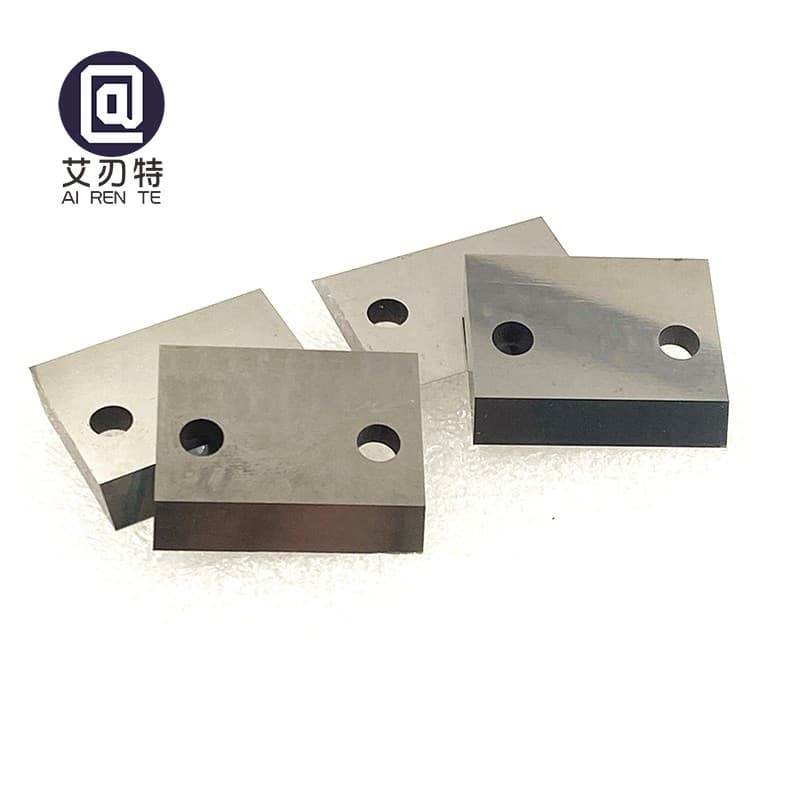
PGK-001
Fixed Granulator Knife
Fixed Granulator Knife is built for plastic granulation lines and rigid and film regrind. Available in SKD11 / D2 / HSS / 9CrSi for clean regrind, stable clearance, and practical resharpening cycles. The profiled body suits fixed or rotary stations where alignment and edge exposure matter.
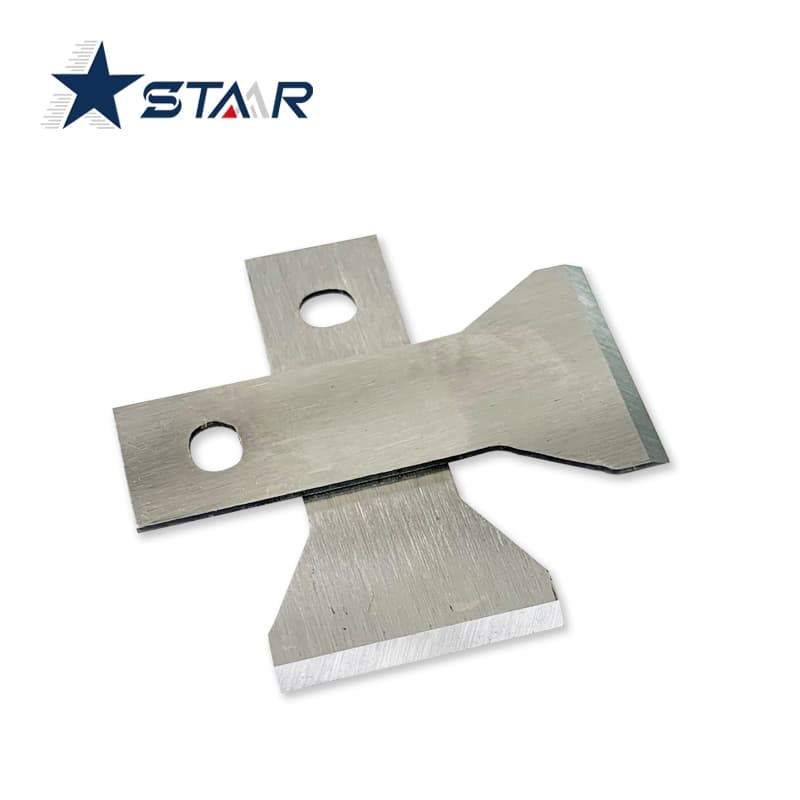
PGK-002
Granulator Insert Knife
Granulator Insert Knife is built for plastic granulation lines and rigid and film regrind. Available in SKD11 / D2 / HSS / 9CrSi for clean regrind, stable clearance, and practical resharpening cycles. The insert-style format fits compact cutter seats and short replacement positions.
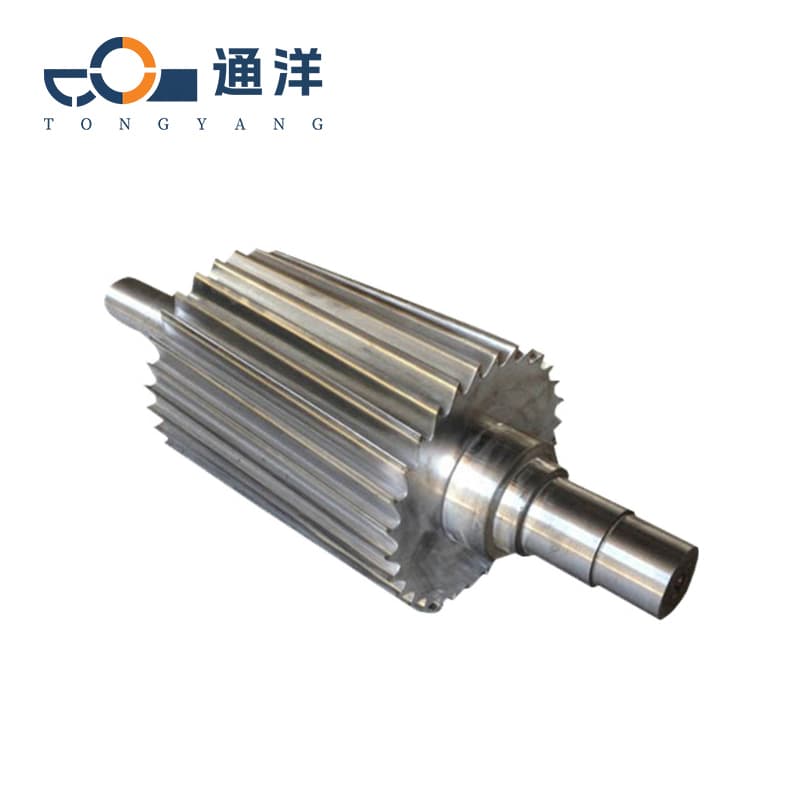
GBK-001
Granulator Bed Knife
Granulator Bed Knife is built for granulator bed knife replacement and pet bottle and rigid plastic grinding. Available in SKD11 / D2 / HSS / tungsten carbide for stable rotor clearance and consistent granulation quality. The insert-style format fits compact cutter seats and short replacement positions.
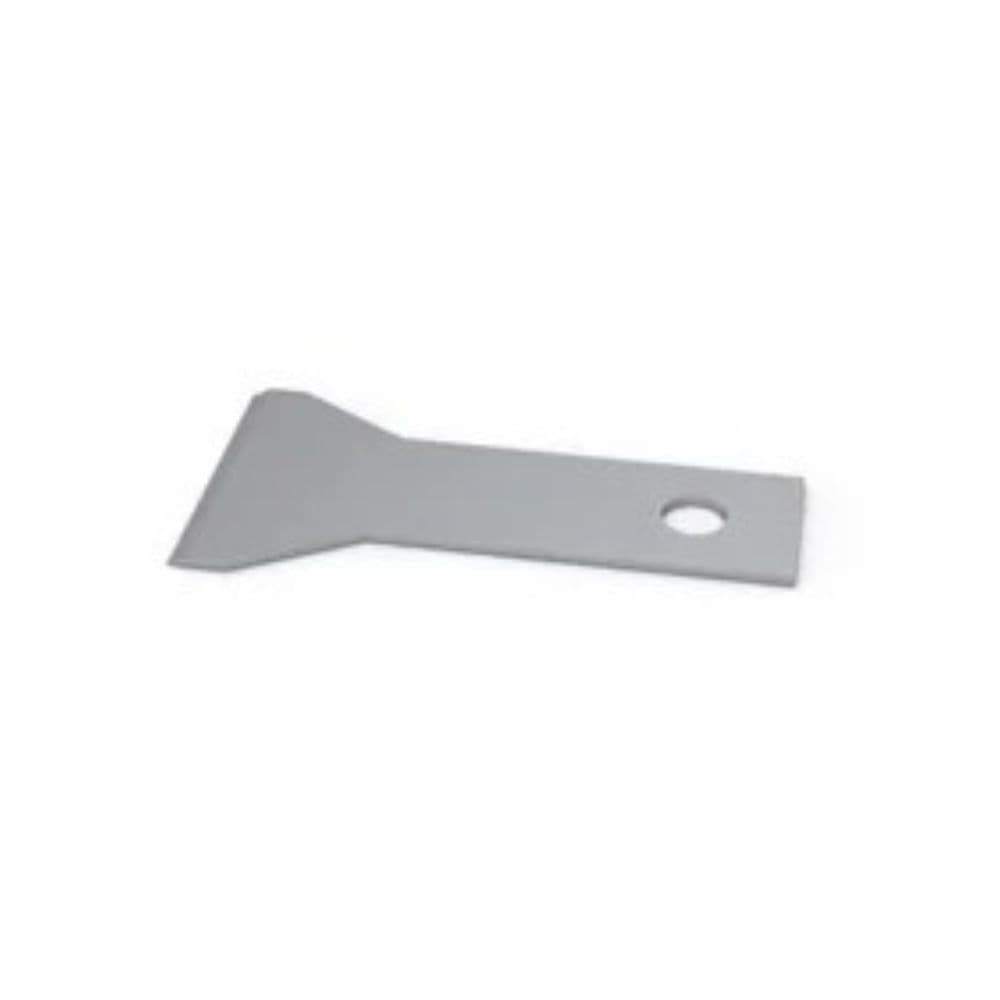
GBK-002
Stationary Granulator Bed Knife
Stationary Granulator Bed Knife is built for granulator bed knife replacement and pet bottle and rigid plastic grinding. Available in Alloy Steel for stable rotor clearance and consistent granulation quality. The straight edge format suits long bolt-on knife bars and clamp-mounted holders.
Related knife categories
Related articles
Granulator Knife Gap Checklist: Reduce Dust, Fines, and Noise
A practical rotor-to-bed-knife inspection flow for recyclers seeing dusty regrind, noisy cutting, or repeated knife damage after a blade change.
Read articleBlade Maintenance Tips for Longer Life
Inspection intervals, alignment checks, and cleaning—for granulators, crushers, and shredders.
Read articleFAQ for sprue and runner granulator knives
Do I need to mention the bed knife if I only want new rotor knives?+
What if my line now handles warmer or thicker sprues than before?+
Can you quote from old parts and chamber photos without a full drawing?+
Which internal pages should I compare before sending the inquiry?+
Primary sources used on this page
These notes stay close to official machine-builder guidance so the RFQ logic follows the way real granulators are specified and maintained.
Rapid Granulator
200 Series Granulators
Rapid positions the 200 Series for in-line recycling of defective products and large sprues.
View sourceRapid Granulator
600 Open-Hearted Granulators
Rapid links clean scissors-cutting action and a constant cutting circle to uniform granules with minimal dust.
View sourceConair
6 Series Viper Granulators
Conair describes quality regrind from robot-fed sprues, runners, and small parts using replaceable knives and hardened cutting chambers.
View sourceWITTMANN
Granulators Overview and G-Max XL
WITTMANN frames closed-loop sprue and runner recycling around stage fit, gap control, and clean scissor cutting on the G-Max family.
View sourceNeed sprue and runner granulator knives for an injection molding line?
Send the granulator model, resin family, runner size, old-part photos, and the symptom you are trying to remove. We can review exact replacement versus cutting-pair refresh before production.