
Single-Shaft Shredder Knife Indexing: Buyer RFQ Guide
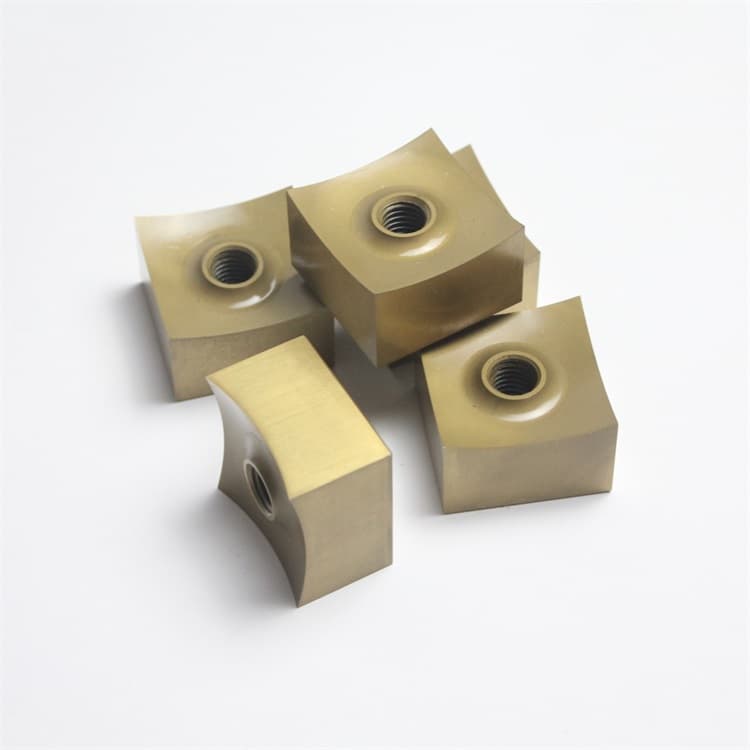
If a single-shaft shredder knife set suddenly starts drawing more amps, leaving more oversize pieces, or wearing one row of cutters much faster than the rest, the first RFQ question is not “Which grade is hardest?” The first question is whether the rotor cutter, the fixed counter side, the holder or pocket, and the screen still match the actual feed and the actual duty in the line.
That buyer conclusion comes up again and again in official single-shaft shredder documentation. The cutting result is described through the interaction of rotor knives, counter knives or anvils, holder geometry, and screen selection. For a purchasing team, that means an inquiry should start with machine stage, chamber condition, and installed-part photos, not with outside dimensions alone.
If you only need coarse pre-shredding before a downstream crusher or granulator, the buying priority is different from a machine that must already hold a controlled output size. In the first case, stable intake and durable indexing behavior often matter most. In the second case, counter-knife position, cutting gap condition, and screen choice become part of the quality promise. That is why this guide puts the machine-stage fit and RFQ criteria in the opening paragraphs instead of burying them later.
Buyer conclusion: indexing saves money only when the chamber still supports the cutter properly
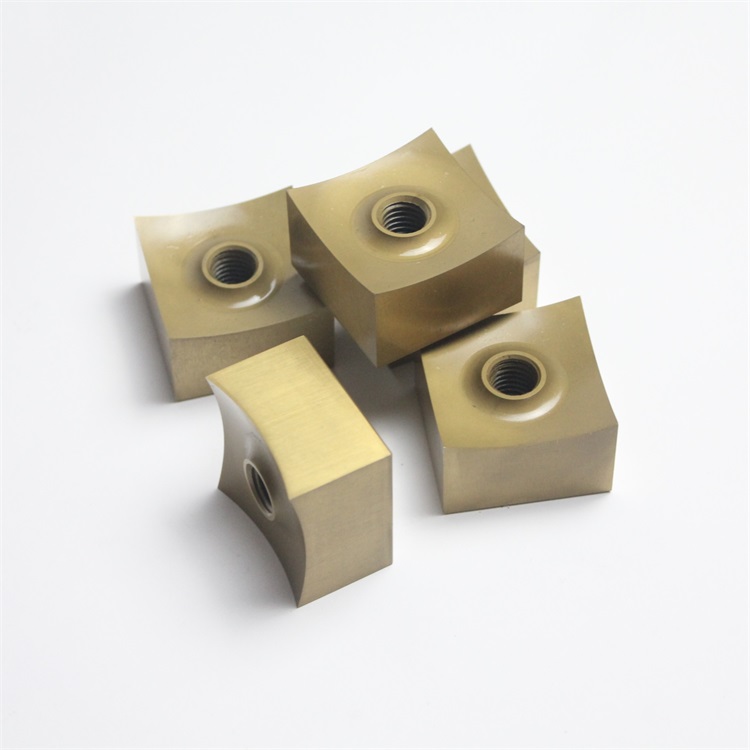
Official machine literature consistently treats the cutting chamber as a system. Square or reversible cutters are valuable because they can be turned to a fresh edge, and some machine designs also use replaceable holders, reversible anvils, or adjustable counter knives to maintain cutting tolerance. But the commercial value of indexing disappears when the pocket seat is battered, the holder face has lost support, the counter side is no longer parallel, or the screen is no longer suitable for the required output.
That is why a serious shredder-knife quote should ask for more than knife length, width, thickness, and hole count. If the holder and counter side are ignored, a new cutter can fit the drawing and still fail the job. When buyers tell us that a line now runs hotter, bridges more often, or produces more fines after maintenance, we treat that as a chamber-fit question first and a steel-choice question second.
The same logic matters when the feed has changed. A line that once handled cleaner film, pipe trim, or production scrap may now be seeing lumps, mixed rigid plastics, pallet fragments, woven bags, or contamination. The installed part number may be unchanged, but the duty cycle is not. In that situation, “same geometry again” is not automatically the safest purchase.
What the official machine documentation actually points buyers toward
After reviewing official machine pages, catalogs, and datasheets for single-shaft shredders, the common pattern is clear. The shredding result is tied to the coordination of rotor, cutting blades, counter knives, holders or machined pockets, feed system, and screen. Those documents also repeatedly show that the machine can be configured for very different duties by changing rotor style, cutter style, counter-knife position, and screen setup. That means the buyer should describe the job, not just the part.
The same sources also point to a maintenance reality that matters in purchasing. Many single-shaft designs are built so cutters can be turned when one edge is worn, some holders can be replaced individually, some counter knives or anvils can be adjusted or reversed, and maintenance access around knives and screens is treated as a core machine feature. In practical buying terms, that means a quotation should tell the supplier whether the request is for cutter replacement only, for cutter-plus-holder review, or for a broader chamber refresh that also includes the fixed edge and screen.
That is the practical reason this page does not treat “single-shaft shredder knife” as a one-line commodity. A cutter that matches the bolt pattern can still be the wrong commercial choice if the shredder has moved from coarse pre-shredding to tighter size control, if one holder has been damaged by tramp material, or if the target output now matters more to the downstream process than it did when the machine was first commissioned.
Machine-stage fit: pre-shredding, primary reduction, or final sizing
Single-shaft shredders do not all do the same commercial job. Some are true pre-shredders. Their purpose is to open bulky feed, stabilize downstream loading, and reduce the risk of bridging before a finer crusher or granulator takes over. Other single-shaft machines must already deliver a controlled particle window through an installed screen. Those two jobs create different knife-buying priorities even if the machine family looks similar from the outside.
For pre-shredding duty, the practical priority is often robust feed behavior, stable grabbing, low sensitivity to contamination, and predictable indexing across the cutter rows. For size-control duty, the fixed counter side and screen become much more important because throughput, fines level, and downstream consistency are being judged directly from the shredder output. Official product documentation repeatedly links output quality to rotor, counter-knife, and screen combinations, so buyers should do the same.
If your shredder feeds a granulator, review this article together with our granulator knife-gap checklist and our HDPE pipe regrind solution. If the machine sits ahead of wood recovery or biomass preparation, compare it with our wood pallet and biomass chip-quality solution. The buying logic is simple: the next machine stage decides whether you are purchasing for throughput, output size, lower fines, or easier maintenance.

RFQ checklist: what to send before asking for price only
The fastest low-risk shredder RFQs combine part geometry with operating context. Send these items in the first email or form submission:
- Machine brand and model, plus serial number if available.
- Machine duty in one line: pre-shredding, primary reduction, or output-size control through a screen.
- Feed stream description: film, rigid plastic, pipe, lumps, woven bags, wood scrap, rubbery scrap, or mixed material.
- One clear front photo of the knife, one side-profile photo, and one installed photo in the holder.
- Pocket or holder-seat photos that show wear, battering, or distortion.
- Counter-knife or bed-knife photos and whether it is adjustable or reversible.
- Current symptom: bridging, low throughput, more fines, hot running, one-sided wear, chipped corners, broken tips, or frequent reversing.
- Screen size or target output size if the shredder is expected to control particle size.
- Whether you want exact replacement, geometry review from an old sample, holder review, or a trial batch.
Buyers often send only a knife length, width, thickness, and hole count. That can be enough for a rough budget number, but it is not enough for a low-risk production quote. If the feed changed, one holder is loose, the counter side is already consumed, or the installed screen no longer matches the requested particle window, the same line can still underperform after new knives arrive.
If you do not have a drawing, say so directly and work from old-part photos plus installed-seat photos. That is normal in aftermarket shredder work. A good RFQ is not the one with the prettiest dimensions table; it is the one that gives enough chamber context to prevent a repeat failure.
Indexing discipline: when rotating square cutters helps and when it hides a chamber problem
Indexable cutters are economically strong when the wear pattern is predictable and the chamber remains stable from row to row. In that situation, turning the cutter to a fresh edge is exactly what the machine concept is designed for. But indexing is less useful when one pocket is loose, one row takes more impact than the others, the feed is no longer centered, or the counter side has drifted out of position. Then indexing may hide the underlying problem for a short time while throughput and output quality continue to drift.
That is why we ask buyers to label which positions fail first. If only one row chips, if the middle rows polish while the end rows break corners, or if the machine reverses too often on the same feed, the wear location tells more than a hardness request on its own. These are not side notes. They help separate impact problems, contamination problems, gap-control problems, and holder-support problems before steel is cut.
Holder support, fixed-edge condition, and screen choice belong in the same discussion
Official single-shaft shredder documentation does not isolate the rotor knife from the rest of the chamber, and buyers should not isolate it either. Replaceable holders, machined pockets, reversible fixed edges, and adjustable counter knives all exist for a reason: the cut is made by the cutter and fixed side together. If one of those support surfaces is no longer correct, the knife alone cannot restore the original machine behavior.
The screen belongs in that same discussion whenever output size matters commercially. Some official catalogs say directly that final output is determined by the installed screen size or screen design, and some also note that material may still need further processing to reach the true final particle target. That matters for RFQs. If your customer complaint is oversize flakes, too many fines, or unstable feed into a downstream granulator, the inquiry should name the installed screen or the target output window from the start.
For rigid-plastic lines, compare this logic with our HDPE and PP rigid-plastic application guide. For woven material or bag scrap, compare our PP woven-bag and raffia guide. The practical point is consistent across categories: cutter geometry, fixed-edge condition, and downstream expectation should be quoted together.
Expert practical-selection notes for buyers and dealers
For dealers, service teams, and plant buyers, the safest quoting method is to separate the job into three levels. Level one is direct cutter replacement because the chamber is healthy and the wear pattern is normal. Level two adds holder, pocket, clamp, spacer, or fixed-edge review because support wear is already visible. Level three includes screen and downstream-stage review because output quality is part of the commercial requirement. This structure usually produces clearer quotations and avoids emergency re-orders after the first shipment.
Use the real machine position in the RFQ: rotor cutter, fixed counter knife, anvil, holder plate, spacer, clamp, or screen. Say whether you need a few pieces for validation or a full set for a shutdown. If you are working from an old sample, mark which dimension may already be worn away. Those simple notes let a knife manufacturer decide whether the sample is sufficient or whether the machine seat needs more evidence before production.
When contamination is likely, say so early. Official machine documents often distinguish standard knife arrangements from configurations intended for abrasive or contaminated input. Buyers do not need to over-specify the steel in the first email, but they do need to be honest about sand, metal, glass, dirt, mixed scrap, or tramp material. Honest feed disclosure is one of the cheapest forms of risk control in an aftermarket knife project.
When you are not sure where to start, shortlist the nearest geometry in our single-shaft shredder knife category, compare it with the broader general shredder knives category, and send installed-part photos through the RFQ form. If the line later feeds a crusher or granulator, compare this article with our granulator gap article so the fixed-edge discussion continues into the next stage instead of stopping at the shredder.
FAQ
Do I need to photograph the holder if I already know the knife size?
Yes. Official shredder documentation repeatedly connects cutter performance to holder geometry, machined pockets, and counter-knife condition. Holder photos reduce the risk of quoting a knife that fits on paper but does not solve the chamber problem.
Should I send screen information for a knife quotation?
If output size or fines matter, definitely. Official machine catalogs tie screen design directly to output-size behavior, so screen data belongs in the RFQ whenever the shredder is more than a coarse pre-shredder.
What if I only need a few trial cutters?
Say that clearly. A trial batch is common for aftermarket shredder work, especially when the buyer is checking geometry from a worn sample or changing feed mix.
Do I have to mention the fixed counter knife or anvil if I only want rotor cutters?
Yes. The cut is created by the moving and fixed sides together. If the fixed edge is worn, out of position, or already consumed on one side, a rotor-only quote can miss the real cause of low throughput or unstable output.
Which internal pages should I compare with this article?
Compare our HDPE pipe solution, wood pallet and biomass solution, single-shaft shredder knives, general shredder knives, and contact page.
Primary sources
This article is an original buyer-side synthesis written from official machine documentation. The labels below are intentionally neutral; they identify the type of source first and keep attribution in the URL.