
Pelletizer Knife RFQ Guide: What Buyers Should Send Before Ordering Replacement Cutters
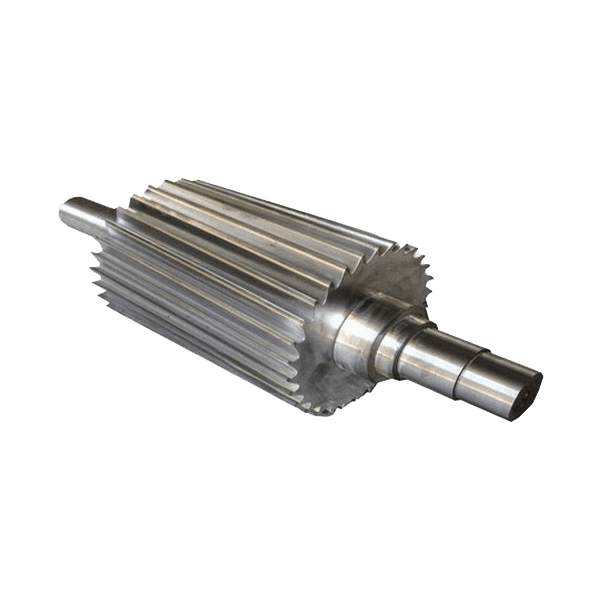
If your pelletizer blades are wearing out faster, your pellets are getting tails or dust, or startup scrap has become too expensive to ignore, the first RFQ question is not “Which steel is hardest?” The first RFQ question is which pelletizing stage is actually failing, and whether the buyer is quoting a knife-only replacement or a cutting-system problem.
That distinction matters because official pelletizer documentation repeatedly describes pellet quality through the interaction of die head, die plate, cutting gap, holder accuracy, and the knife or cutter set. Buyers who skip that context often get a part that fits the machine but does not remove the commercial defect.
If you are ordering for a PP or PE compounding line, a recycling repelletizing line, or a masterbatch program, it helps to state the machine stage, startup behavior, and polymer duty in the first message. That is why this guide puts buyer conclusion, machine-stage fit, and RFQ criteria in the opening paragraphs instead of hiding them later.
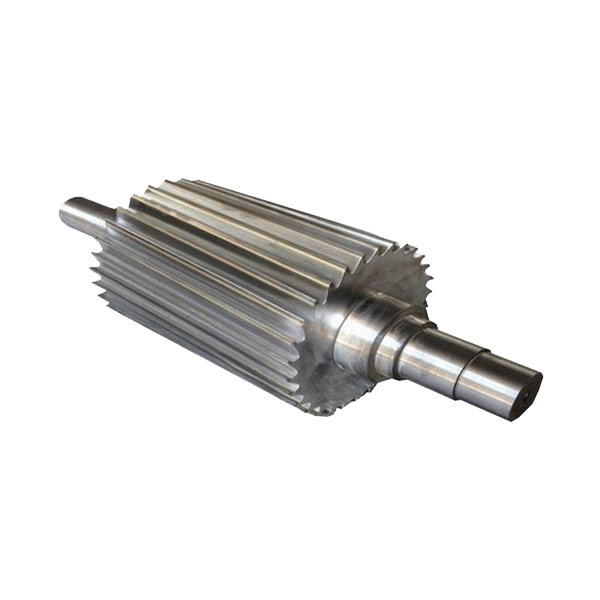
Buyer conclusion: pelletizer knives should be quoted by stage, not by blade geometry alone
MAAG’s M-USG documentation frames outstanding pellet quality around the die head, strand conformity, cutting-gap accuracy, and a solid knife holder. Coperion’s UG underwater pelletizer page links long knife and die-plate life to optimized heating and wear-resistant alloys. That means the buyer should identify whether the line is strand, die-face, or underwater pelletizing before asking for price.
This is not just technical purity. It is a procurement shortcut. When the supplier knows the stage, polymer family, and failure symptom, the RFQ can be routed toward direct blade replacement, cutting-pair refresh, or broader pelletizing-stage review. When the supplier only sees outside dimensions, the quote may still be possible, but the risk of a repeat complaint stays much higher.
That is why we recommend reading this article together with our pelletizer wear solution page, our new PP and PE compounding pelletizer application guide, and the contact page before sending the RFQ.
Machine-stage fit: strand, die-face, and underwater pelletizing create different RFQ checklists
In strand pelletizing, the buyer usually needs to clarify the relationship between the cutting rotor and the stationary bed knife. Coperion’s pelletizing brochure says strands are cut into regular cylindrical pellets between the stationary bed knife and the cutting rotor, and it highlights cutting-gap durability and pellet-length regulation. MAAG’s T200 strand pelletizer sheet adds scissor-like cutting action, eccentric rotor-to-bed-knife adjustment, and a carbide bed knife with four usable edges. Those details are procurement signals: the RFQ should say whether you are replacing the moving cutter only, the bed knife as well, or the whole cutting pair.
Die-face and underwater pelletizing shift the RFQ toward die-head condition, knife-holder precision, startup handling, and heating stability. MAAG’s SG-C die-head sheet describes uniform melt distribution, low pressure drop, and die plates with wear protection for compounding and recycling lines. MAAG’s BAOLI S page positions strand pelletizing around high pellet quality, high machine availability, and wear-resistant cutting tools. Those are not marketing adjectives to ignore. They define what the buyer should ask the supplier to confirm.
If your line switches between products, fillers, recycle ratios, or throughput windows, mention that immediately. A pelletizer knife that performed well on one duty can underperform badly on another even when the machine model is unchanged.
What buyers often miss when they ask only for replacement pelletizer knives
Buyers often focus on the blade because it is the visible wear part. That is normal. But official pelletizer documentation repeatedly points to adjacent conditions that affect the result just as strongly: die-plate heating, melt distribution, cutting-gap accuracy, bed-knife condition, and startup control. If the quote does not name those conditions, the supplier may send the correct geometry and still fail to solve the line problem.
This shows up in commercial language more than in engineering language. Plants say pellets are too long, too dusty, too hairy, or too inconsistent during startup. Maintenance teams say the cutter sounds rough, the line takes longer to stabilize, or the knife life suddenly dropped after a recipe change. Those are RFQ signals. They tell the supplier where to look.
For recycled PP or PE lines, the issue may be contamination or a changing recycle ratio. For masterbatch or filled compounds, the issue may be abrasive wear or heat sensitivity. For underwater pelletizing, the issue may be more closely linked to die-head and cutting-head behavior than to the knife grade itself. That is why a good RFQ starts with what changed in the line, not only with what part number is needed.
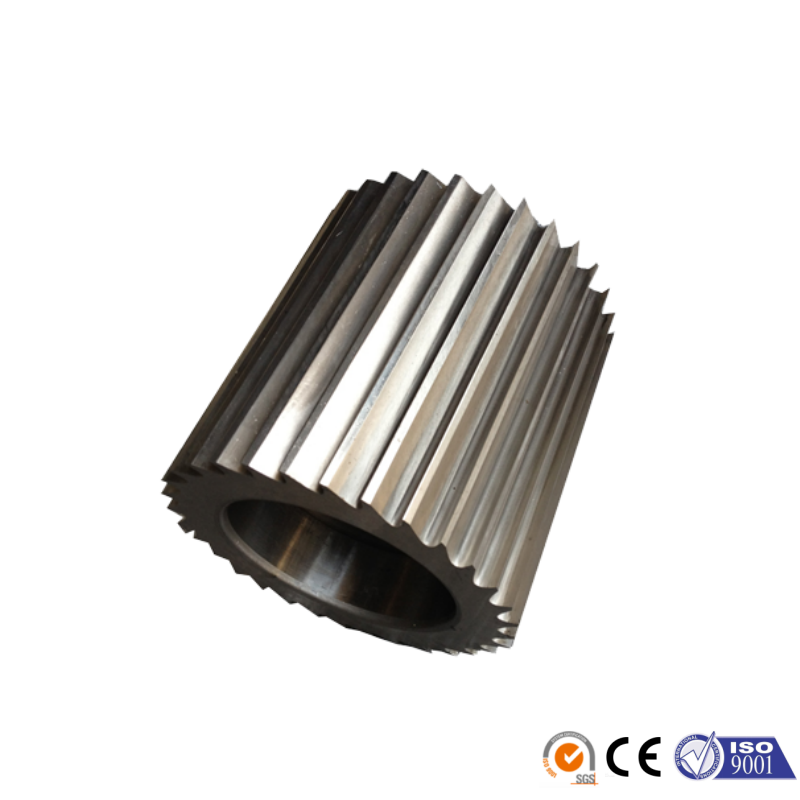
RFQ checklist: what to send before asking for price only
The fastest low-risk pelletizer RFQs combine part geometry with machine-stage context. Send these items in the first message where possible:
- Machine brand and model, plus whether the line is strand, die-face, or underwater pelletizing.
- Polymer family and duty: PP, PE, masterbatch, recycled feed, filled compound, abrasive formulation, or another special case.
- Current defect: long tails, pellet-length variation, dust, startup scrap, noisy cutting, fast wear, or unstable startup.
- Knife dimensions, mounting style, knife count, and photos of the installed cutter if possible.
- Bed-knife or die-plate information, or at least whether those parts are also suspected.
- Throughput and whether the failure appears at startup, after several hours, or only after a recipe or speed change.
- Whether you want direct replacement, a trial batch, or a review of the cutting pair and contact condition together.
That list is short enough for purchasing, maintenance, or a dealer to assemble quickly, but it is rich enough to prevent the most common RFQ mistake: quoting a knife as a commodity when the line is actually describing a stage-fit problem.
If you only have an old sample, say so directly. That is common in aftermarket pelletizer work. The supplier can still review the part, but should know whether the sample came from a line that was performing well or from a line that was already producing bad pellets.
Why startup scrap belongs in the RFQ, not as an afterthought
Startup scrap is one of the most expensive signals buyers ignore because the line can still reach nameplate output once it stabilizes. Yet official pelletizer documentation repeatedly treats startup as part of the machine design. The practical takeaway is simple: if the startup window got longer or more wasteful, tell the supplier in the first message. That may matter more than the knife dimensions themselves.
Some buyers treat startup scrap as an operator issue. Sometimes it is. But when the same startup routine used to work and now does not, the RFQ should include that change. It may reflect die-plate condition, cutting-head setup, or wear-state changes that a blade-only replacement will not fully solve.
Expert practical-selection notes for buyers and dealers
For plant buyers, the safest RFQ structure has three levels. Level one is direct knife replacement because the line is healthy and the request is purely spare-part driven. Level two is knife plus contact-surface review because the bed knife, die plate, or holder condition may now be influencing pellet quality. Level three is broader stage review because the complaint includes startup scrap, process instability, or changing duty.
For dealers and service teams, say whether the request is urgent shutdown coverage, normal preventive spares, or a trial lot to validate geometry or material strategy. Those are different commercial situations, and the supplier should know which one applies before recommending a cutter family.
When you are not sure where to start, shortlist the nearest part on our pelletizer blades category, compare it with the pelletizing and compounding solution, and send the details through the RFQ form. If the line also uses film densifying upstream, compare our PE film recycling guide too.
FAQ
Do I need to mention the die plate if I only want new knives?
Yes, especially if pellet quality changed or startup scrap increased. Official pelletizer documentation repeatedly links the cutting result to die-head, die-plate, and cutter conditions together.
Can you quote from a worn sample without a full drawing?
Yes. A worn sample, installed photos, the polymer family, and the production symptom are often enough to begin technical review.
What if we only need a small trial batch first?
Say that directly. Trial-batch quoting is common when buyers are validating geometry, machine-stage fit, or a different wear strategy.
Which internal pages should I compare with this article?
Compare our pelletizer wear solution, PP/PE pelletizer application guide, pelletizer blades, and contact page.
Primary sources
This article is an original buyer-side synthesis built from official pelletizer and die-head documentation. The labels below stay neutral; the attribution remains in the URL.