
Textile Shredder Knife RFQ Guide: What Buyers Should Send Before Ordering Cutters
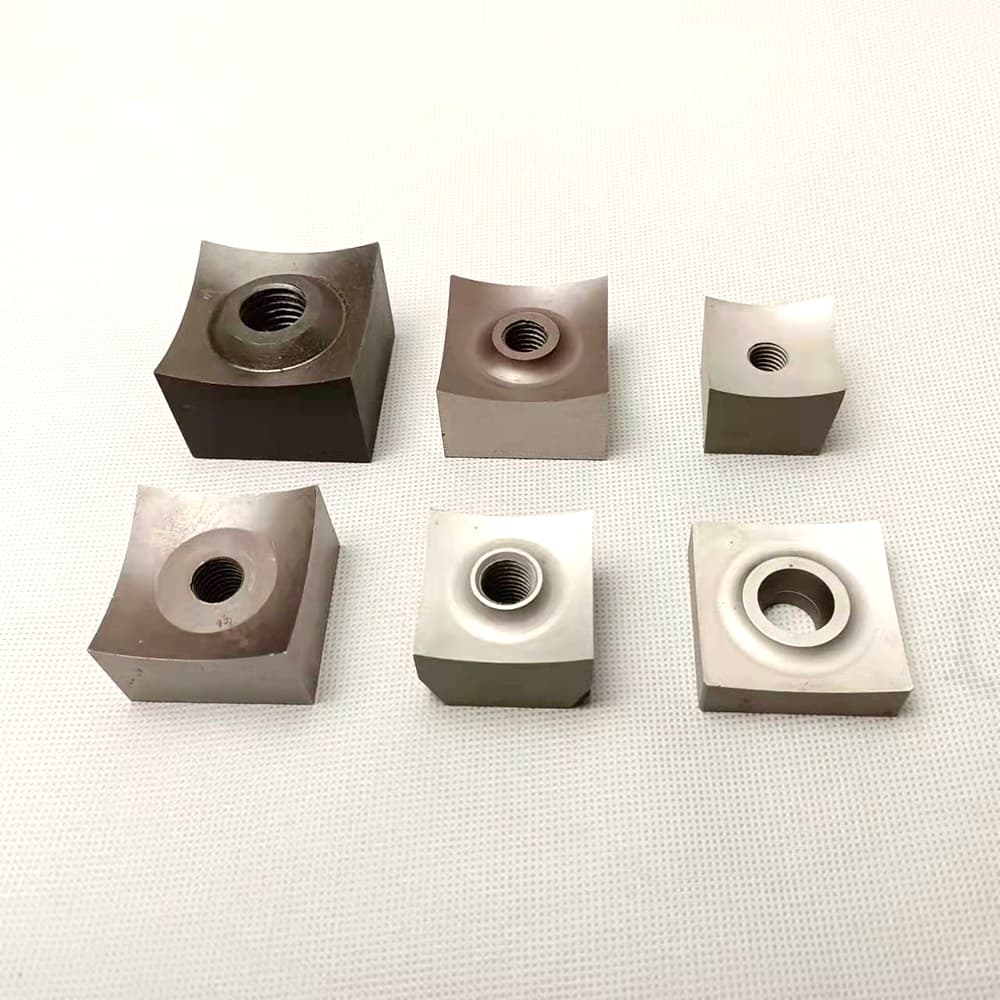
If a textile or carpet recycling line is wrapping around the rotor, dragging cloth instead of cutting it, plugging screens, or sending unstable strips into the next opener or sizing stage, the first RFQ question is not which steel is hardest. The first question is which machine stage is failing, what material form is being fed, and whether the order is a direct replacement or a stage-fit review.
That matters because official and primary sources describe textile recycling as a process, not a one-part purchase. The European Commission textile strategy gives the wider circularity and waste-management context. ANDRITZ frames textile recycling around preparation and fiber recovery. SSI calls baled carpet one of the toughest materials to shred. The buyer conclusion is simple: name the stage and material before asking a supplier to quote cutters.
Use this article together with the new textile knife-wrapping solution, the new textile application guide, and the RFQ form when photos and line details are ready.
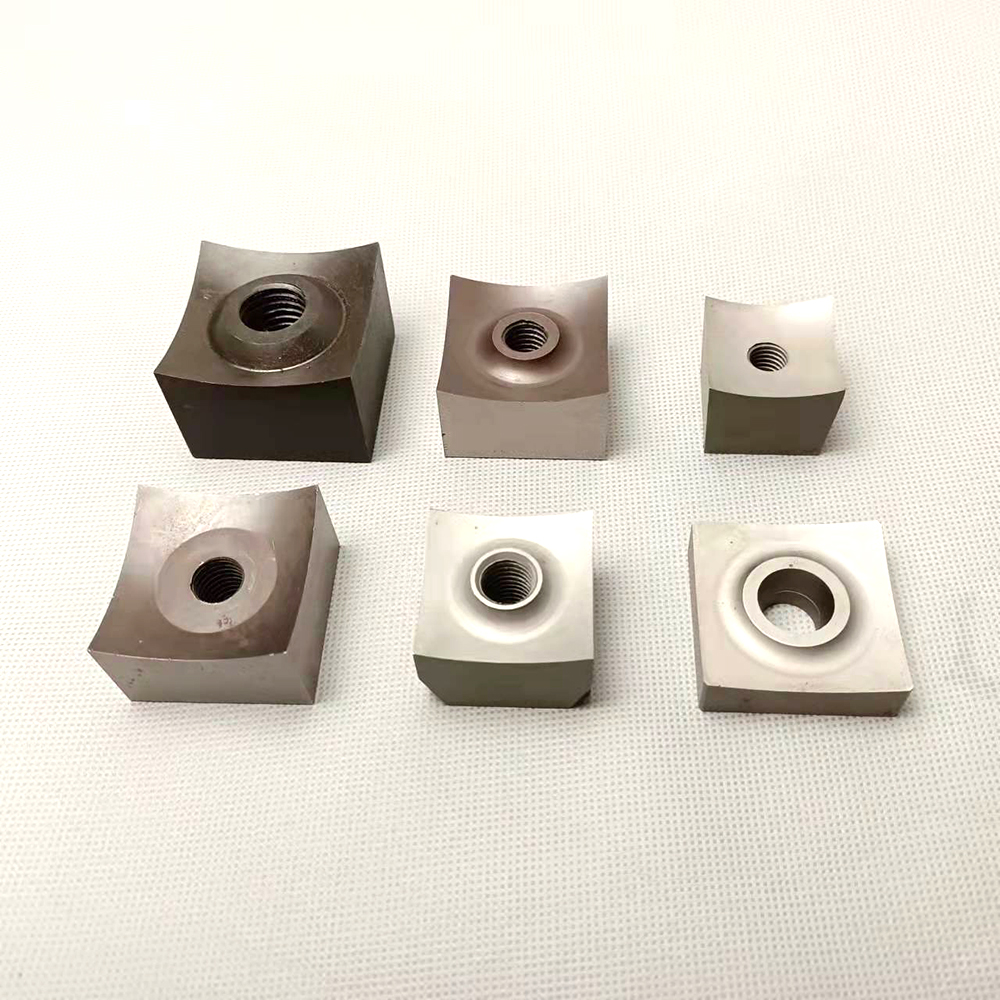
Buyer conclusion: textile knife RFQs should start with stage, feed form, and target output
Buyers often start with a narrow request: textile shredder knives, carpet recycling cutters, fiber recycling blades, or replacement knives for a single-shaft shredder. Those phrases are useful, but they do not describe the duty. Clean cutting-room trim, post-consumer garments, damp mixed rags, nonwoven edge waste, carpet tile, broadloom carpet, and plastic-rich backing behave differently in a chamber.
The correct RFQ should say what the line is trying to produce. Is the stage opening bales for sorting? Is it making controlled strips before fiber opening? Is it sizing carpet before separation? Is it preparing a polymer-rich fraction for granulation? A knife quote written around those questions is more useful than a quote based only on length, width, thickness, and hole count.
Machine-stage fit: bale opening, carpet shredding, and granulator feed are different buying problems
Primary opening asks the cutter to bite flexible material before it folds, ropes, or wraps. Carpet shredding asks the cutter system to handle layered feed, backing, and possible dirt or hard inclusions. Screen-controlled shredding asks the cutter, counterknife, screen, and feed pressure to work together. Downstream granulation only belongs in the quote when the material fraction is suitable for a granulator knife and bed-knife pair.
The Shred-Tech ST-480 page is useful buyer evidence because it lists textiles and carpet as industrial shredder applications and discusses knives, shafts, knife reversal on overload, conveyors, and serviceability. The RFQ lesson is practical: describe how the line feeds, what the overload or wrapping symptom looks like, and whether the buyer needs direct replacement or a broader cutter-system review.
What buyers miss when they send dimensions only
Dimensions matter, but textile failures often come from context. A worn knife copied perfectly from a sample may still wrap if the feed changed from clean trim to post-consumer garments. It may still chip if zippers, clips, and metal pieces entered the stream. It may still drag material if the counterknife is worn or the anvil clearance has moved. It may still make poor output if the screen target is wrong for the actual feed.
Republic Machine's carpet shredder literature names reversible cutters, replaceable tool holders, reversible counterknives, screens for sizing, and adjustable anvil clearance. Those details show why a buyer should not hide the fixed side of the chamber. If the symptom is wrapping, ropes, screen plugging, or unstable shred size, include photos of the counterknife, anvil, holder, and screen along with the movable cutter.
RFQ checklist: what to send before asking for price only
The fastest low-risk textile and carpet knife RFQs combine geometry with operating context. Send these items in the first message whenever possible:
- Machine brand, model, shaft count, rotor type, and exact stage position.
- Feed form: garment waste, textile trim, nonwoven offcut, carpet tile, carpet roll, fiber bale, mixed rags, synthetic fiber, natural fiber, or backing-rich fraction.
- Contamination notes: zippers, buttons, clips, metal pieces, sand, rubber backing, adhesive, moisture, or mixed film.
- Target output: bale opening, coarse strips, screen-sized shred, fiber-opener feed, backing separation, granulator feed, or controlled regrind.
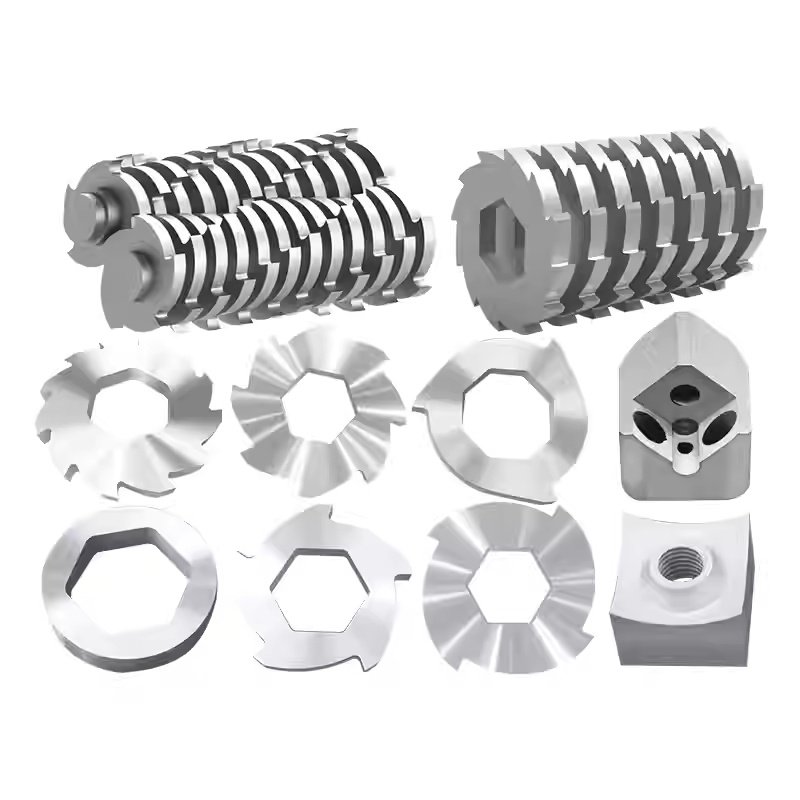
- One face photo, one side-profile photo, one dimension photo, and one installed-holder photo of the cutter.
- Counterknife, anvil, screen, holder-seat, and feed-ram photos when those parts affect bite and clearance.
- Current symptom: wrapping, ropes, dragging, high current, screen plugging, chipped corners, uneven wear, poor downstream feeding, or excessive fines.
- Whether the request is direct replacement, a trial lot, emergency shutdown stock, or a stage-fit review.
If no drawing exists, say so directly. Worn parts and installed photos are normal in aftermarket textile recycling. What matters is pairing the sample with enough stage context to prevent the next order from repeating the last failure.
Why feed changes matter more than buyers often admit
A plant that once processed clean factory trim may later receive post-consumer garments with fasteners. A carpet recycler may move from lighter residential carpet to carpet tile or backing-heavy feed. A nonwoven line may add damp or compressed bales. In each case, the old knife may still fit the holder while the cutting duty changes enough to alter wrapping, edge damage, current draw, and screen behavior.
Tell the supplier if the problem started after a feed change. That single sentence can change whether the supplier treats the job as a direct replacement, a geometry review, a counterknife-clearance question, or a broader stage review. Hiding the feed change makes the quote look cleaner but makes the production decision weaker.
Stage boundaries: where the complaint really belongs
When operations says the fiber opener is overloaded, purchasing may assume the opener is the problem. Sometimes the upstream shredder is sending strips that are too long or too inconsistent. When the shredder draws high current, the problem may be feed ram pressure, wrapped material, or fixed-side clearance rather than only steel grade. When the output contains too many fines, the issue may be an aggressive downstream stage rather than a better primary cutter.
The RFQ should name the next-stage complaint because it tells the blade supplier whether to quote the visible wear part alone or to review the cutting pair and stage handoff. That is how a quote becomes a purchasing tool instead of a dimension-matching exercise.
Practical selection notes for buyers, dealers, and service teams
For end users, split the request into three levels. Level one is direct replacement because the stage is healthy and the need is spare-part driven. Level two is cutter-plus-counterknife review because wrapping, dragging, or screen plugging suggests the cut is no longer a clean shear. Level three is line-fit review because the feed mix or target output changed. This structure keeps the quote honest and avoids blaming every symptom on steel hardness.
For dealers, collect one installed photo, one old-part photo with scale, one feed description, and one symptom before asking for price. For import buyers, say whether the order is a small trial lot, a shutdown spare set, or a planned annual replacement. Those commercial details help the supplier decide how much fit review is needed before production.
When you are not sure where to start, compare single-shaft shredder knives, double-shaft shredder knives, general shredder knives, and granulator bed knives. Representative parts include recycling single-shaft shredder knives, multi-material shredder knives, and film granulator insert knives.
FAQ
Should I separate carpet from ordinary textile waste?
Yes. Carpet can contain layered backing, dirt, filler, adhesive, or rubber, and primary sources treat baled carpet as a tough shredding duty. Name it separately in the RFQ.
Do I need to send counterknife or anvil details?
Yes, especially when the symptom is wrapping, dragging, screen plugging, or unstable output. The fixed side and clearance can change the cutting result.
Can Leader Blades quote from worn parts and photos?
Yes. Send worn samples or photos with scale, installed-seat photos, machine stage, feed form, target output, and current symptom.
Which internal pages should I compare?
Compare the textile solution page, textile application guide, single-shaft shredder RFQ guide, and contact page.
Primary sources
This article is an original buyer-side synthesis built from official textile policy and primary shredder or recycling-equipment references.