
Veneer Peeling Knife RFQ Guide: What Buyers Should Confirm Before Ordering
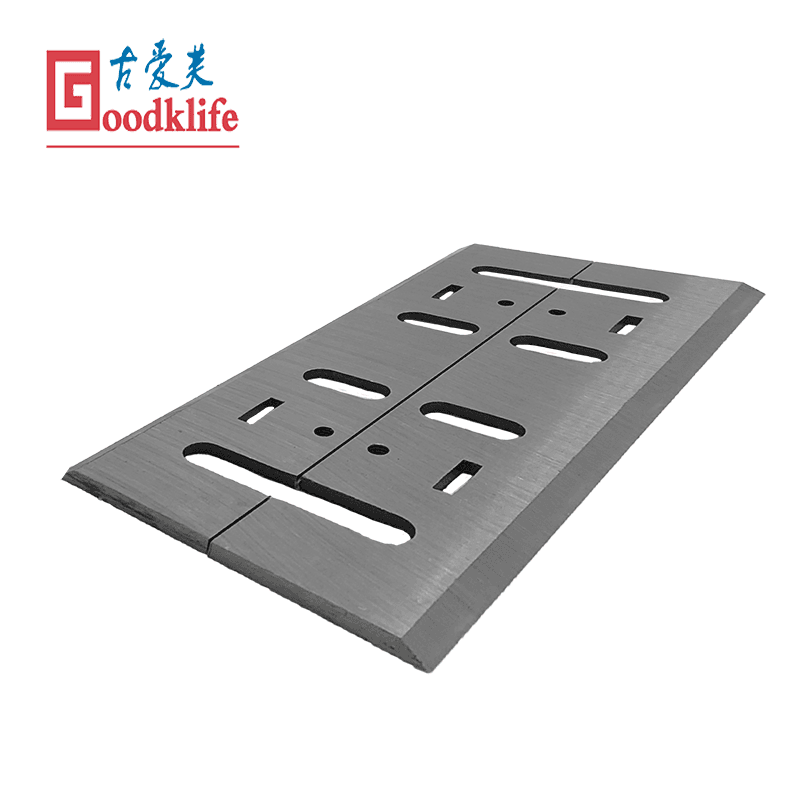
If a plywood or LVL line asks for veneer peeling knives because veneer thickness has started to drift, veneer surface looks rougher, line recovery has fallen, or shutdown touch-up work keeps growing, the first RFQ question is usually not "Which steel grade lasts the longest?" The first RFQ question is whether the buyer is describing a knife-only replacement or a knife-plus-pressure-bar and setup problem.
That distinction matters because primary sources on veneer peeling do not describe quality as a blade-only result. They describe quality through peeling geometry, pressure-bar or nose-bar relationship, gap consistency, edge condition, and line setup. Buyers who ignore that context often receive a knife that matches dimensions and still fails to remove the commercial defect.
If the line is feeding plywood face veneer, LVL material, birch, plantation species, or another quality-sensitive product, that quality target belongs in the first message. This guide puts buyer conclusion, machine-stage fit, and RFQ criteria in the opening paragraphs because that is what lowers shutdown risk fastest.
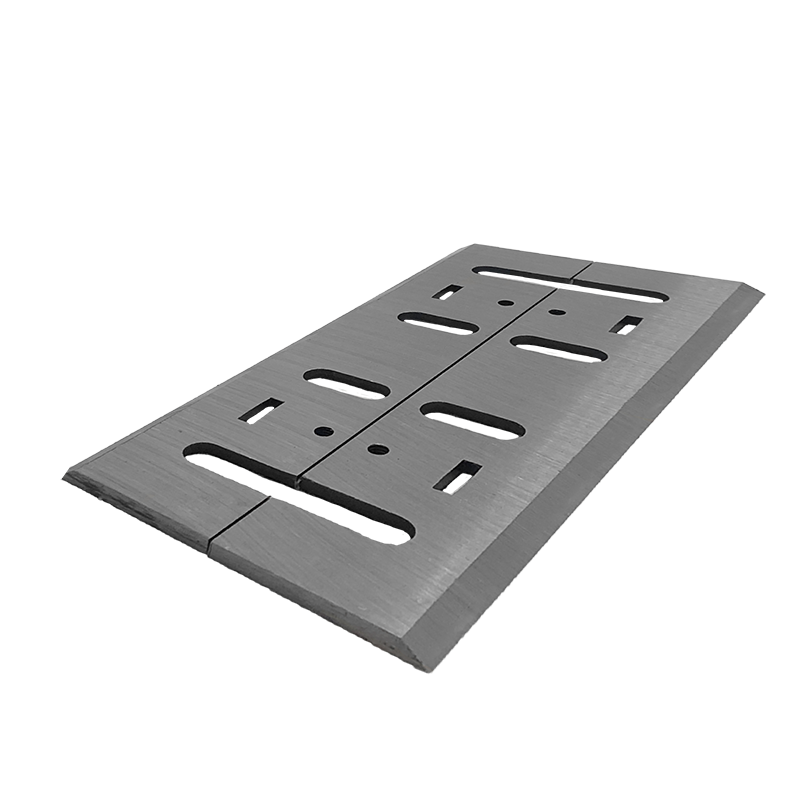
Buyer conclusion: veneer knives should be quoted as part of the peeling interface, not as flat bars alone
TKM's varying-thickness guidance points directly to wrong knife and pressure-bar setup, a cutting gap that is not straight and parallel, edge chippings during operation, and poor grinding condition as practical causes of thickness variation. Raute's Veneer Lathe R5 page describes high peeling quality through accurate knife carriage feed, double spindles, and a fixed nose bar. Together, those sources make the commercial lesson clear: a serious RFQ must include the fixed-side condition and the real quality symptom.
This is not extra paperwork. It is a shortcut. If the supplier knows whether the problem is thickness variation, rough surface, lower yield, edge damage, or unstable quality after regrinding, the review can move toward direct replacement, replacement plus setup review, or a broader maintenance discussion. If the supplier only sees a length-width-thickness sketch, the quote may still be possible, but the risk of a repeat complaint stays much higher.
That is why we recommend reading this article together with our plywood and LVL veneer peeling application guide, our straight-knife surface-finish solution page, and the contact page before sending the RFQ.
Machine-stage fit: quality targets change the right RFQ even when the knife geometry looks similar
Raute's Veneer Peeling Line R5 page links line value to veneer quality, clipping, recovery, and dry-veneer quality. Raute's yield article frames productivity, veneer recovery, and improved quality as profitability issues. In buyer terms, that means a mill peeling birch face veneer, plantation species, or LVL feedstock may need very different review discipline even if the knife size on paper seems similar.
If the complaint is rough veneer for core stock, the replacement path may differ from a line chasing stable thickness for higher-grade sheets. If the line recently changed species, block quality, maintenance routine, or production target, the RFQ should say that immediately. A knife that was commercially correct for the last campaign may not be the safest choice for the next one.
This is where many buyers lose time. They send the same part number or the same old sample while the line has already changed its quality expectation. The supplier then receives geometry without duty. That is not enough for a low-risk shutdown order.
Why pressure-bar and gap information belong in the RFQ from the first message
Primary sources are unusually direct on this point. TKM says the cutting gap between knife and pressure bar must be checked across the total length and adjusted if it is not straight and parallel. That turns pressure-bar evidence into commercial RFQ data, not optional maintenance trivia.
For buyers, the practical takeaway is simple. If veneer thickness started varying, if surface quality changed, or if the line needs more hand touch-up than before, do not describe the job as a knife-only replacement. The pressure-bar side belongs in the request, even if the immediate purchase is only the knife. Otherwise the next set can fit perfectly and still enter the same unstable peeling interface.
This is especially important when the buyer is working from a worn knife sample. The sample may still be usable for geometry review, but it does not explain by itself whether the line problem came from edge wear, a damaged pressure-bar side, a non-parallel gap, or poor grinding straightness.
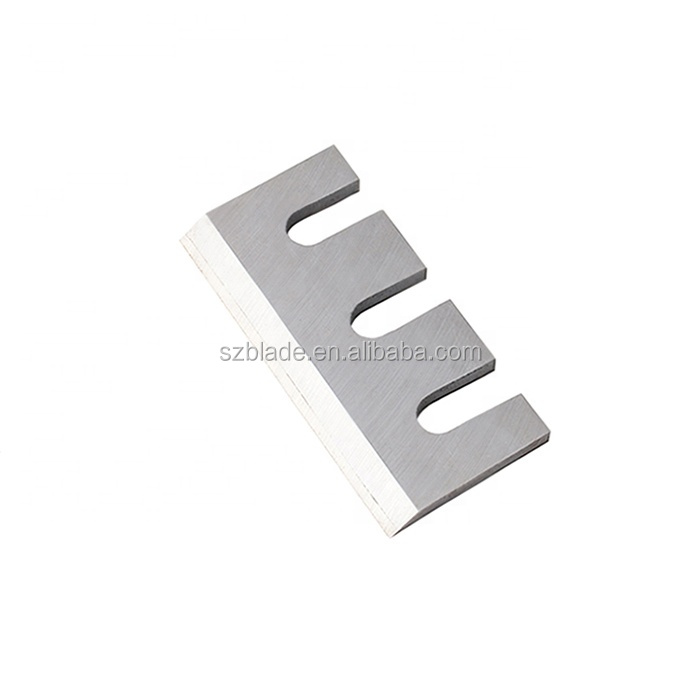
Worn-sample logic: what a supplier still needs to know when no full drawing exists
Many veneer-knife RFQs arrive without a complete drawing package. That is normal in aftermarket work. What matters is not whether the buyer has a perfect engineering file, but whether the buyer can provide enough field evidence to prevent a repeat problem. A measured knife photo, edge profile photo, installed seat photo, and pressure-bar photo are often more useful than a vague request for "same as before".
Buyers should also say whether the sample comes from a healthy production period or from a period when the line was already producing poor veneer. That simple note helps the supplier decide whether the sample supports direct replacement or only supports a geometry starting point that still needs broader setup review.
If the line has already seen field grinding or emergency touch-up, say that too. TKM explicitly mentions that reworking the affected area while the knife remains in the machine often leaves the cutting edge not fully straight. That makes a big difference when the next RFQ is being prepared from the same knife.
RFQ checklist: what to send before asking for price only
The fastest low-risk veneer-knife RFQs combine part geometry with line-stage evidence. Send these items where possible in the first message:
- Machine brand, model, and knife reference if available.
- Product target and species: plywood face veneer, LVL feedstock, birch, plantation wood, or another defined duty.
- One measured knife photo and one side-profile photo of the edge.
- One installed knife-seat photo and one pressure-bar or nose-bar photo.
- Current symptom: varying thickness, rough veneer surface, lower yield, edge chipping, repeated touch-up, or unstable startup.
- Whether the request is for direct replacement, a trial lot, or a knife-plus-setup review.
That is short enough for a shutdown order but detailed enough to lower risk. If you only send length, width, and thickness, the supplier may still quote the part, but the most common sources of recurring defects stay invisible.
Expert practical-selection notes for mills, dealers, and sharpeners
For mills, the safest RFQ structure has three levels. Level one is direct replacement because veneer quality was stable and the line just needs the next knife set. Level two is replacement plus pressure-bar and gap review because thickness or surface complaints already appeared. Level three is a broader maintenance review because grinding quality, line target, species, or yield expectations changed and the old replacement logic no longer fits.
For dealers and sharpening partners, say whether the request is urgent shutdown coverage, routine spare stock, or geometry confirmation from a worn sample. Those are different commercial situations, and the supplier should know which one applies before recommending a knife family or production route.
When you are not sure where to start, shortlist the nearest geometry from our straight-knife category, compare the veneer peeling knife, carbide veneer peeling knife, and veneer peeling straight knife, then send the evidence through the RFQ form.
FAQ
Do I need to mention the pressure bar if I only want new veneer knives?
Yes. Primary sources tie thickness variation directly to knife and pressure-bar setup, so the fixed side belongs in the RFQ from the beginning.
What photos help the fastest?
Send a measured knife photo, a side-profile photo of the edge, an installed knife-seat photo, and a pressure-bar or nose-bar photo.
Can a supplier work from worn knives without a full drawing?
Usually yes. Good photos, key dimensions, machine identity, and the actual veneer defect are often enough to begin review.
Which complaint should I describe first in the RFQ?
Start with the symptom that matters commercially: varying thickness, rough surface, lower yield, edge chipping, repeated touch-up, or unstable startup.
Primary sources
This article is an original buyer-side synthesis built from official peeling-line and knife-maker material. The labels below stay neutral; attribution is carried by the source URL.