
Cable Recycling Knife RFQ Guide: What Buyers Should Send Before Ordering Granulator or Shredder Knives
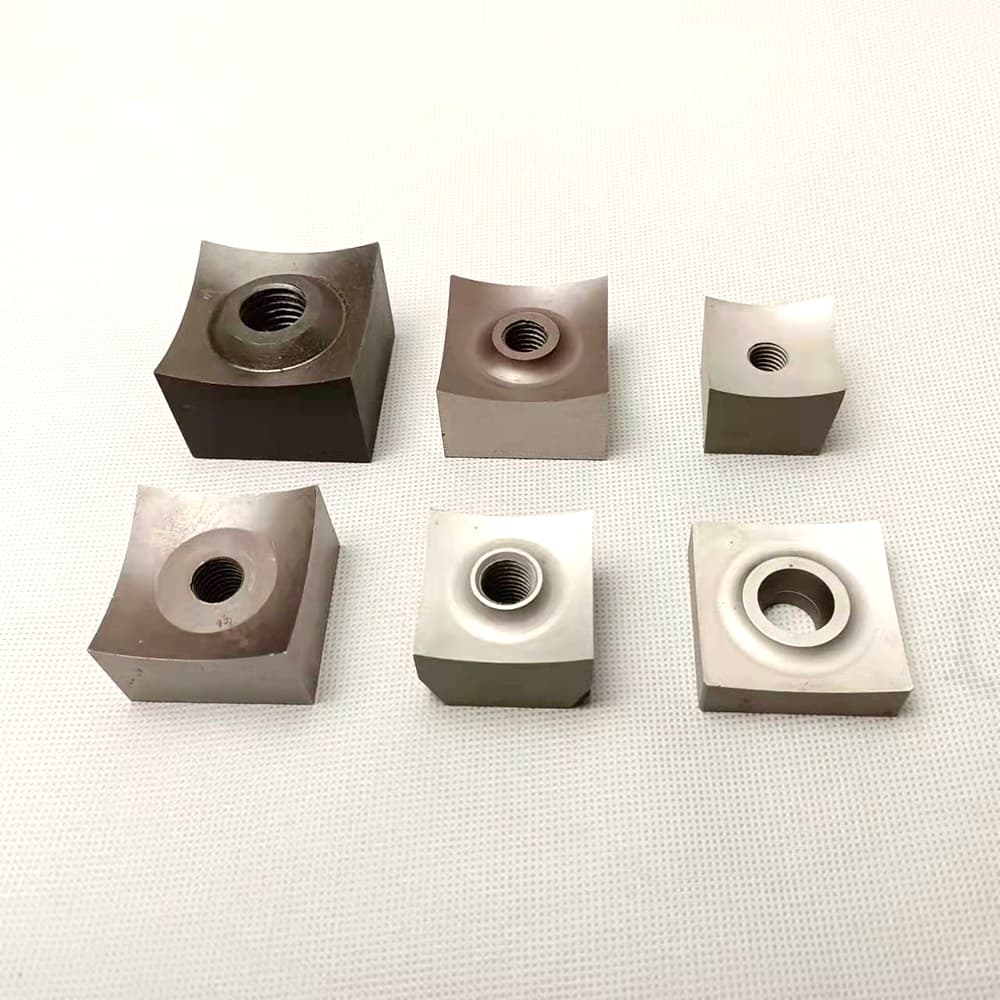
If a cable-recycling line starts losing more copper into the plastic fraction, sending more material into middling, or making the granulator run hotter and dirtier than before, the first RFQ question is not "Which steel is hardest?" The first RFQ question is which stage is actually failing and whether the buyer is quoting a direct replacement or a wider stage-fit problem.
That distinction matters because the official cable-recycling sources describe the process as a chain. MTB Recycling presents cable processing as shredding, granulation, and separation. Guidetti describes an integrated cable line with a blade mill granulator, zig-zag separator, refining turbine, and dry densimetric table. Stokkermill describes pre-grinding, magnetic ferrous removal, turbo granulation, and densimetric separation. Those are stage signals, not just machine-marketing details. For buyers, they define what belongs in the RFQ.
That is why this article puts the buyer conclusion, machine-stage fit, and RFQ checklist in the first paragraphs. If the line is losing money through copper carryover, unstable purity, or excess recirculation, the supplier needs the line context before the supplier can safely recommend the knife family.
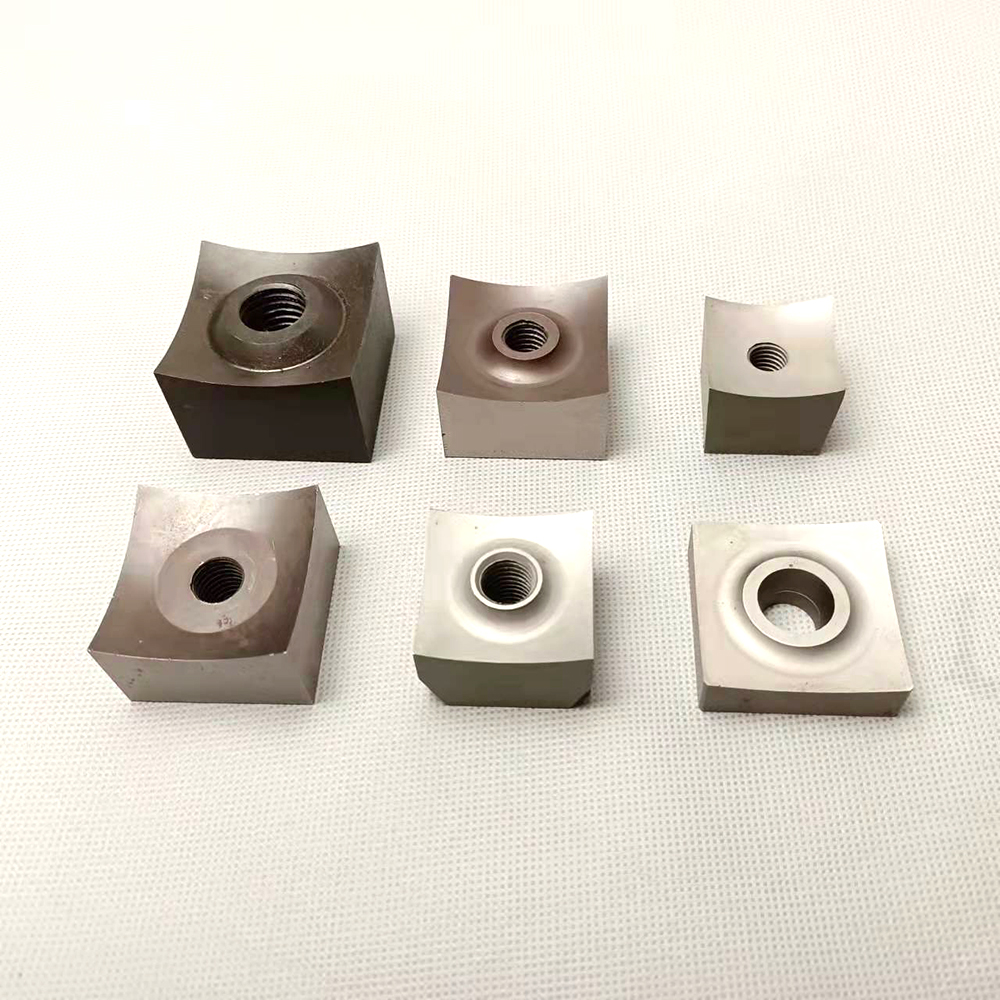
Buyer conclusion: quote cable knives by stage and by recovery target
Buyers often start with a narrow request: "We need cable granulator knives," "We need the same bed knife again," or "We need a shredder cutter for mixed cable." Those requests are commercially normal, but they hide the more important question. Is the plant trying to stabilize coarse pre-shred, produce cleaner granule for densimetric separation, reduce middling, lower copper loss in the plastic fraction, or prevent the granulator from running hot? Each target changes what the supplier should ask next.
Eldan's cable sorting page states that even small losses of copper matter because they reduce material value and increase rework. That is a buyer-side lesson. The RFQ should say whether the complaint is purity, recovery, heat, fines, maintenance time, or edge damage. If the supplier sees only a worn sample and a dimension table, the supplier can still issue a budget quote, but the chance of repeating the last line problem remains much higher.
Compare this article with our cable recycling solution page, our cable recycling application guide, and the contact page before you send the inquiry. Those internal routes help keep the knife quote tied to the actual recovery target.
Machine-stage fit: pre-shredding, granulation, and separation create different RFQ checklists
The rough-chopping or pre-shred stage is about feed form, bite, and stable first reduction. Eldan REDOMA says rough choppers can be fed with cable pieces, coils, and bundles and that screens with different hole sizes are available for flexible production. That means the RFQ should state whether the complaint is coil feeding, bundles, inconsistent coarse cut, or the way the feed now reaches the granulator.
The granulator stage is different. Eldan describes its REDOMA granulators as being used to downsize cable to granule size and says the knives are pre-adjusted in a jig outside the machine for quick knife change. Stokkermill says its turbo refiner lets buyers process small-diameter cables, including telephone and data cables, without changing the screen. Guidetti treats granulation as one part of an integrated line with air and densimetric separation. So the RFQ should clearly say whether the problem is rough chopping, granulation quality, or the way the cut material enters separation.
Separation creates the last stage-specific checklist. Eldan describes a metal fraction, an insulation fraction, and a middling fraction that is fed back for re-granulation. Stokkermill describes densimetric separation of copper or aluminum from the plastic fraction. If the buyer complains about purity, middling, or copper loss, the supplier needs the cutting-stage details and the separation complaint together.
What buyers usually miss when they quote cable knives by dimensions only
The most common mistake is to assume the problem lives only in the knife metal. Sometimes it does. Often it does not. A line that now runs more fine wire, more aluminum cable, more data cable, or more harness material may still use the same nominal knife geometry, but the duty has changed. The previous part number may still fit, yet the commercial job is no longer the same.
Another common mistake is to quote the granulator stage while ignoring the bed knife, screen, or recirculation logic. If the granulator is hot, the plastic fraction is dirty, or the line is sending too much material back into middling, the RFQ should say whether the cut is inconsistent, whether the bed knife is worn, whether the screen target changed, and whether the cable mix changed. That is how the supplier knows whether to recommend direct replacement or broader review.
Buyers also understate cable type. MTB lists copper and aluminum cables, THT, ACSR, and automotive harnesses. Those are not the same duty. If the buyer does not name the real cable mix, the supplier is being asked to infer the line risk from dimensions alone.
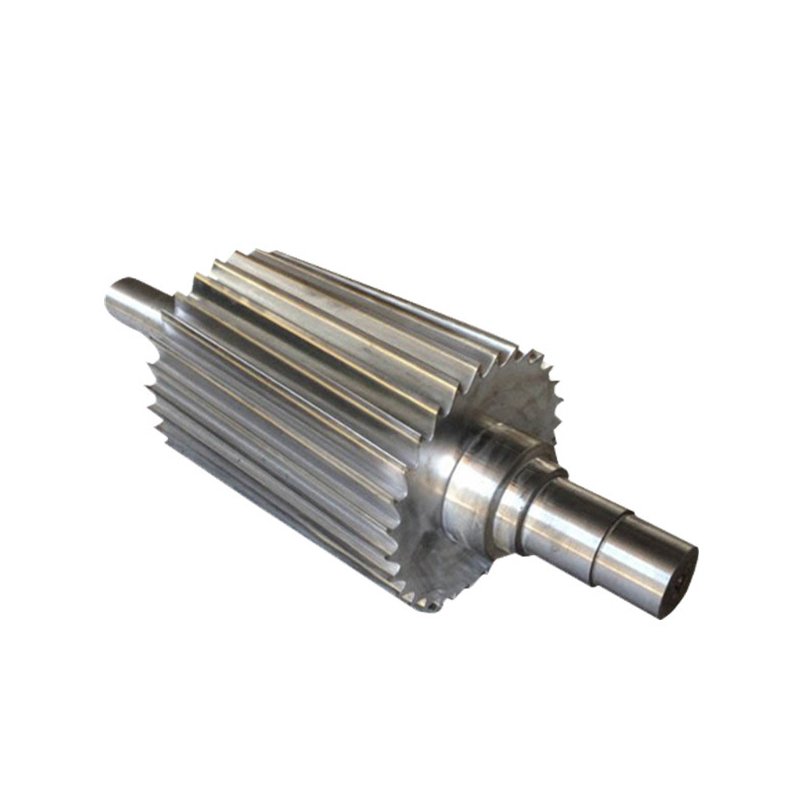
RFQ checklist: what to send before asking for price only
The fastest low-risk cable-knife RFQs combine fit information with operating context. Send these items in the first message whenever possible:
- Machine brand and model, plus the exact stage under review.
- The cable mix in one line: rigid copper cable, flexible cable, aluminum cable, data cable, fine wire, ACSR, harnesses, or mixed e-scrap cable.
- The business target: chopped cable, lower middling, cleaner copper or aluminum fraction, lower copper loss in plastic, or lower heat and fines.
- The current symptom: copper carryover, unstable purity, whiskers, hot running, more fines, more recirculation, or shorter knife life.
- One face photo, one side-profile photo, one installed photo, and where relevant one bed-knife, holder, or screen photo.
- Whether the order is a direct replacement, a trial lot, or a wider stage-fit review.
If you only have worn samples, say so directly. That is normal in aftermarket cable work. But also say whether those samples came from a line that was still producing acceptable purity or from a line that had already drifted into copper loss and rework.
How the complaint changes the RFQ by stage
If the complaint is unstable first reduction, bundle feeding, or the way coils enter the line, the RFQ should focus on the pre-shred stage. That is where feed form, bite, and stage duty matter most. If the complaint is cut quality, heat, whiskers, or attached copper, the RFQ should focus on the granulator plus bed-knife and screen relationship. If the complaint is purity, copper in plastic, or too much middling, the RFQ should include the separator complaint because the buyer is now describing a recovery problem, not just a knife problem.
This is also why the same line can need different quotations at different times. One month the plant needs emergency shutdown spares. Another month it needs a trial batch because fine-wire content increased. Another month it needs broader review because the output target changed from simple cable chop to cleaner granulate. A useful RFQ states which case applies.
Photo, sample, and dimension guide: what actually helps the supplier
The most useful photo set is simple. Send one front photo with a ruler, one side profile that shows edge and thickness, one installed view in the chamber or holder, and one adjacent-stage photo when the complaint affects purity or recirculation. That photo set tells the supplier much more than a single isolated knife image without scale.
Dimension notes should focus on the dimensions least likely to be worn away: overall length, width, thickness, center distances, hole diameters, and any step, slot, or relief that remains visible. If one edge is heavily worn, mark that in the email so the supplier knows which values may no longer reflect the original geometry.
Expert practical-selection notes for buyers and dealers
The safest quoting method has three levels. Level one is direct replacement because the stage is healthy and recurring spares are the priority. Level two is cutting-pair review because bed-knife, screen, or granulation behavior now affects purity and recovery. Level three is line-fit review because the cable mix or output target changed and the current knife package no longer matches the job.
Dealers and service teams should also say whether the order is urgent downtime coverage, planned shutdown stock, or a trial lot to validate geometry. Those are different business cases. A quote that is clear about the business case is normally faster and safer than one that is technically precise but commercially vague.
When you are not sure where to start, shortlist the nearest parts from our single-shaft shredder knives, industrial shredder cutters, granulator knives, and bed knives, then send the details through the RFQ form.
FAQ
What is the first RFQ question for cable-recycling knives?
Identify the stage, the cable type, the output target, and the current failure symptom before asking for steel grade or price.
Do I need to mention copper loss or middling recirculation?
Yes. Those details tell the supplier whether the plant is asking for direct replacement or for broader stage-fit review tied to recovery and purity.
Can I start with worn samples and installed photos only?
Yes. That is common in aftermarket cable recycling, especially where drawings are incomplete or the line has changed over time.
Which internal pages should I compare next?
Compare our cable solution page, the application guide, the granulator knives category, the bed-knives category, and the contact page.
Primary sources
This article is an original buyer-side synthesis built from official cable-recycling machine pages. The labels below stay neutral and keep the attribution in the URL.