
Các vấn đề điển hình của dây chuyền màng PE đằng sau yêu cầu báo giá (RFQ)
- •Màng bị quấn, nhòe hoặc quá nhiệt trong giai đoạn giảm kích thước hoặc làm đặc đầu tiên
- •Dao máy tạo hạt nhanh chóng bị cùn và hạt nhựa tái chế trở nên tơi xốp, nhiều bụi hoặc không đồng nhất
- •Dây chuyền vẫn có thể vận hành, nhưng chất lượng hạt giảm sút do bộ dao cắt, dao tĩnh hoặc bộ đầm nén không còn khớp với nhau
- •Người mua chỉ có mẫu đã mòn hoặc mã tham chiếu của nhà sản xuất thiết bị gốc (OEM) và cần một phương án thay thế thiết thực một cách nhanh chóng
Tại sao các dây chuyền tái chế màng PE cần các loại dao phù hợp với từng giai đoạn
Tái chế màng PE khác với nghiền nhựa cứng vì vật liệu di chuyển, kéo giãn, nóng lên và bị quấn. Một dây chuyền màng không chỉ hỏng do lưỡi dao bị cùn. Nó thường hỏng do hình học của dao, tình trạng lưỡi cắt và giai đoạn máy không còn phù hợp với nguyên liệu đầu vào thực tế: phế liệu công nghiệp, màng đã rửa, màng sau tiêu dùng bẩn hoặc phế liệu in ấn hỗn hợp.
Đó là lý do tại sao những người mua nghiêm túc tìm kiếmdao máy băm màng PE,dao máy nén cắt, haydao máy tạo hạt màngthay vì chỉ dùng các thuật ngữ dao công nghiệp chung chung. Họ không mua một loại lưỡi dao vạn năng. Họ đang cố gắng ổn định một chuỗi các giai đoạn máy móc mà tất cả đều phản ứng khác nhau với nhiệt độ, tạp chất và khe hở dao.
Trên các dây chuyền màng, một con dao “vừa vặn” nhưng tạo ra nhiều lực cản hơn, nhiều nhiệt hơn hoặc nhiều bụi hơn có thể âm thầm làm giảm lưu lượng và độ đồng nhất của hạt nhựa rất lâu trước khi dây chuyền dừng hẳn. Đó là lý do thương mại thực sự để xây dựng một trang yêu cầu báo giá (RFQ) dành riêng cho ứng dụng dao tái chế màng.
Vị trí của dao trên các dây chuyền rửa và tái chế màng PE
Một dây chuyền tái chế màng PE điển hình có thể bao gồm một vài giai đoạn cắt. Không phải nhà máy nào cũng có cùng bố trí, nhưng hầu hết người mua đều đang xử lý ít nhất một trong các vị trí sau:
- Dao máy băm trục đơnđể cắt sơ bộ các kiện, cuộn hoặc nguyên liệu màng cồng kềnh trước khi rửa hoặc nén.
- Dao máy nén cắt hoặc máy tạo hạtdùng để nén màng mỏng và kiểm soát nhiệt độ cũng như độ ổn định của nguyên liệu đầu vào trước khi ép đùn.
- Dao máy tạo hạtdùng cho công đoạn cắt thứ cấp, giảm kích thước màng đã rửa hoặc thu hồi phần rìa thừa.
- Dao tĩnh hoặc dao cố địnhđóng vai trò là điểm tham chiếu cố định thực sự kiểm soát khe hở cắt thực tế.
- Lưỡi dao máy tạo viêndùng cho giai đoạn cắt cuối cùng khi dây chuyền đang thực hiện tạo viên hoặc đầu ra hỗn hợp.
Kế hoạch thay thế phù hợp phụ thuộc vào vị trí xảy ra lỗi hiện tại. Một người mua yêu cầu “dao tái chế màng” có thể thực sự chỉ cần hỗ trợ ở một giai đoạn, nhưng các triệu chứng thường lan rộng xuống hạ nguồn nếu bộ dao ở thượng nguồn đã không phù hợp.
Cách loại nguyên liệu màng ảnh hưởng đến công việc của dao
Phần rìa sạch có đặc tính rất khác so với màng sau tiêu dùng bẩn. Màng LDPE và LLDPE đã rửa vẫn có thể tạo ra nhiệt và các vấn đề về quấn trục, nhưng màng in, màng nông nghiệp hoặc màng có lẫn tạp chất gây áp lực lớn hơn lên độ bền, độ ổn định của lưỡi cắt và khoảng thời gian bảo trì.
Trong thực tế, người mua nên phân loại yêu cầu báo giá (RFQ) theo tình trạng nguyên liệu đầu vào:
- Màng nhựa công nghiệpthường chú trọng đến chất lượng mép cắt ổn định, ít bụi và khả năng mài lại có tính lặp lại.
- Màng nhựa sau tiêu dùng đã qua rửavẫn cần sự cân bằng về độ mài mòn vì độ ẩm, nhãn mác và tạp chất còn sót lại có thể làm thay đổi hiệu suất của dây chuyền.
- Màng nhựa bẩn hoặc hỗn hợpcó thể cần độ cứng bảo thủ hơn và kế hoạch thay thế có tính đến các yếu tố như va đập, lực kéo và thói quen mài dao của người vận hành.
Đối với các dòng sản phẩm tương tự nhất, hãy so sánhdao băm trục đơn,dao máy nén cắt,dao máy tạo hạt, vàlưỡi dao máy tạo viên.
Các kiểu mài mòn và hư hỏng phổ biến trên dây chuyền màng
Các dây chuyền màng thường cho thấy các triệu chứng nhẹ hơn nhưng tốn kém hơn so với các dây chuyền nhựa cứng. Thay vì chỉ bị sứt mẻ nghiêm trọng, nhà máy có thể thấy các vết nhiệt, hiện tượng cắt dính, cấp liệu không ổn định, nhựa tái sinh tơi xốp hơn hoặc thay đổi viên nhựa sau vài ca làm việc. Những triệu chứng này là các dấu hiệu cảnh báo thương mại vì dây chuyền có thể vẫn hoạt động trong khi chất lượng sản phẩm và sản lượng bị suy giảm.
- Quấn và kéothường cho thấy dao đang bị cọ xát hoặc kéo thay vì cắt sạch.
- Hiện tượng bôi bẩn hoặc quá nhiệtcó thể chỉ ra tình trạng lưỡi cắt, sự không khớp giữa các giai đoạn hoặc hình học của dao máy đầm nén không còn phù hợp với nguyên liệu đầu vào.
- Hiện tượng nhanh cùncó thể do nhiễm bẩn, nhiệt độ, quy trình mài không đạt chuẩn hoặc sự cân bằng không phù hợp giữa độ mài mòn và độ bền.
- Vật liệu tái chế dạng bụi hoặc tơi xốpthường có nghĩa là vết cắt đang dần mất kiểm soát, đặc biệt là khi dao tĩnh đã bị mòn.
- Sự không đồng nhất của hạt nhựacó thể bắt nguồn từ các công đoạn trước đó, ngay cả khi người mua chỉ nhận thấy vấn đề tại máy tạo hạt.
Cách cân nhắc về thép, chiến lược lưỡi cắt và thay thế theo cặp
Không có loại thép tốt nhất duy nhất cho mọi dây chuyền màng PE. Người mua thường so sánh các lựa chọn như D2, SKD11, HSS, các loại có gắn hợp kim hoặc các sản phẩm thay thế theo tiêu chuẩn OEM. Câu hỏi đúng đắn hơn là kiểu mài mòn nào thực sự đang gây hại cho dây chuyền hiện tại: quá nhiệt, mòn tròn quá mức, sứt mẻ sớm hoặc cắt không ổn định sau khi mài lại.
Trên các dây chuyền sản xuất màng, chiến lược về mép cắt cũng quan trọng như cấp độ vật liệu. Một loại vật liệu có khả năng chống mài mòn cao hơn có thể không giúp ích gì nếu nhà máy thực sự gặp vấn đề về khe hở, độ căn chỉnh hoặc bộ phận ghép đôi. Điều này đặc biệt đúng khi dao rotor được thay thế nhưng dao tĩnh (bed knife), dao stator hoặc bộ phận khớp nối của máy nén vẫn còn bị mòn.
Để so sánh các loại thép, hãy bắt đầu vớihướng dẫn lựa chọn lưỡi daocủa chúng tôi. Để lập kế hoạch bảo trì, hãy kết hợp nó vớibài viết về bảo trìcủa chúng tôi và đưa các triệu chứng thực tế vào yêu cầu báo giá (RFQ) thay vì chỉ yêu cầu loại vật liệu cứng nhất hiện có.
Những thông tin cần gửi để nhận báo giá nhanh cho dao tái chế màng PE
Các yêu cầu báo giá (RFQ) dao cắt màng PE nhanh nhất là những yêu cầu kết hợp dữ liệu kỹ thuật với bối cảnh quy trình. Ngay cả khi không có bản vẽ OEM hoàn hảo, hình ảnh rõ nét và mô tả dây chuyền cụ thể thường giúp đẩy nhanh quá trình xem xét.
- Thương hiệu và model máy, nếu biết
- Giai đoạn máy: máy băm (shredder), máy nén cắt (cutter compactor), máy tạo hạt (granulator), dao tĩnh (bed knife), dao stator hoặc máy tạo hạt nhựa (pelletizer)
- Loại nguyên liệu đầu vào: biên sạch, màng đã rửa, màng sau tiêu dùng, màng in, bao dệt, hoặc nhựa mềm hỗn hợp
- Triệu chứng hiện tại: quấn trục, bết dính, sinh nhiệt, tuổi thọ ngắn, bụi, hạt nhựa không ổn định, hoặc hạt không đồng nhất
- Kích thước dao, sơ đồ lỗ và ảnh chụp bề mặt tiếp xúc đế dao
- Ảnh chụp dao cũ từ phía trước, bên cạnh và các vị trí tiếp xúc với giá đỡ
- Số lượng yêu cầu, kỳ vọng về chu kỳ mài và quốc gia đích
Nếu nhóm của bạn đang tìm nguồn cung ứng cho khu vực Đông Nam Á, các yêu cầu báo giá (RFQ) xuất khẩu sẽ dễ dàng hơn khi bạn nêu rõ công việc này dành cho đơn vị tái chế, đại lý máy móc, nhà thầu dịch vụ hay thương nhân kinh doanh phụ tùng. Hãy sử dụngtrang liên hệhoặc biểu mẫu yêu cầu bên dưới và đề cập rằng công việc này dành cho dây chuyền tái chế màng PE.
Các chi tiết tiêu biểu cho dây chuyền này
Hãy dùng hình dạng gần nhất làm tham chiếu RFQ rồi gửi kích thước hoặc ảnh dao cũ.
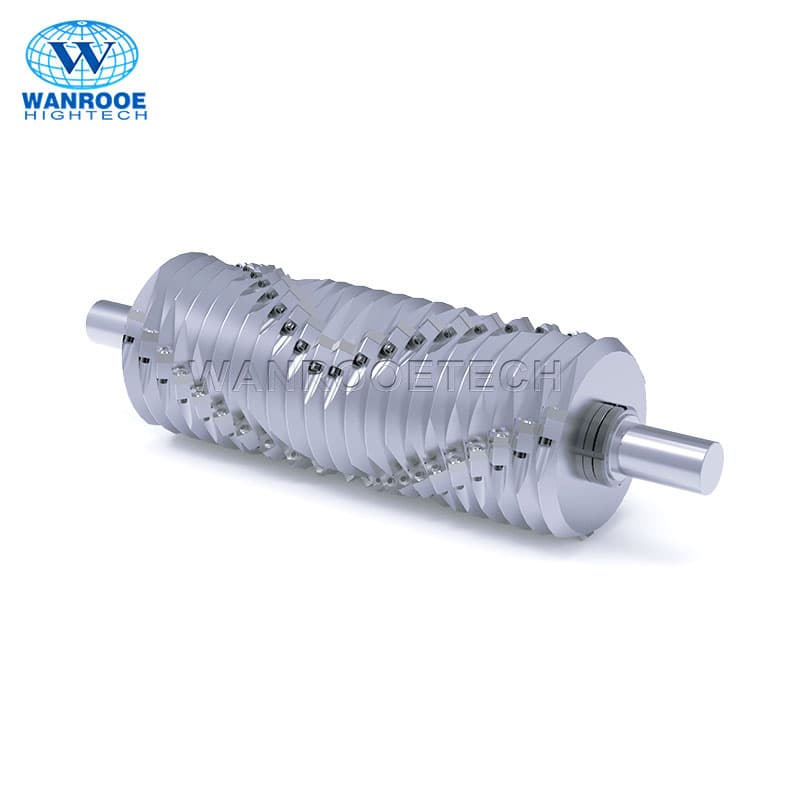
SSK-002
Dao shredder một trục
Dao shredder một trục cho nhu cầu dao shredder một trục. Vật liệu thường dùng: D2 / SKD11 / carbide-tipped alloy steel. Ứng dụng phổ biến: Máy shredder một trục / Băm màng và bao dệt / Tiền băm cao su và lốp.
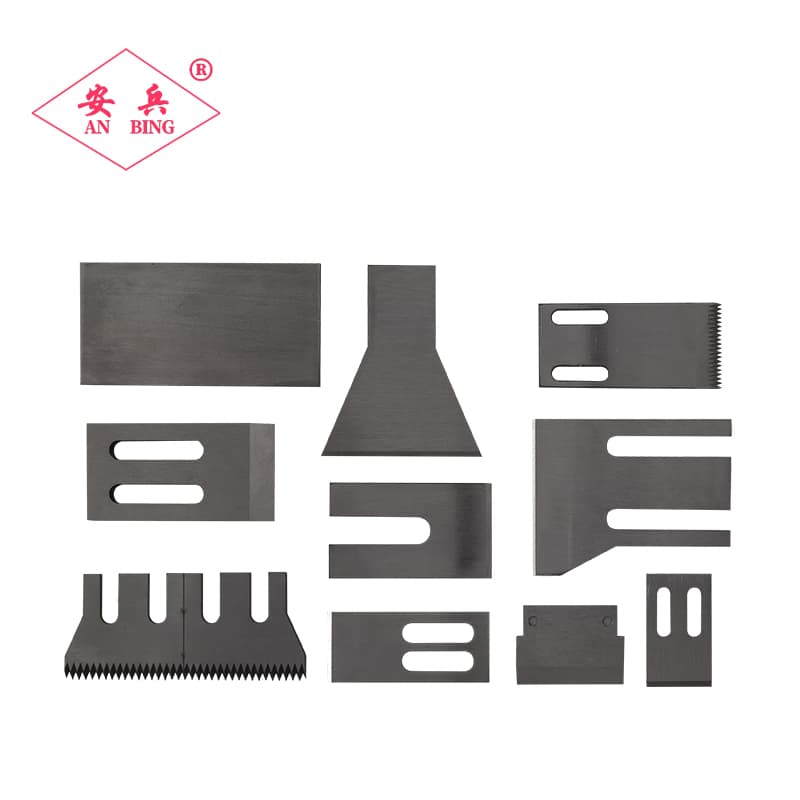
PGK-004
Dao cắt granulator
Dao granulator nhựa cho nhu cầu dao granulator nhựa. Vật liệu thường dùng: SKD11. Ứng dụng phổ biến: Dây chuyền tạo hạt nhựa / Cắt màng và bao dệt / Thu hồi mép cắt.
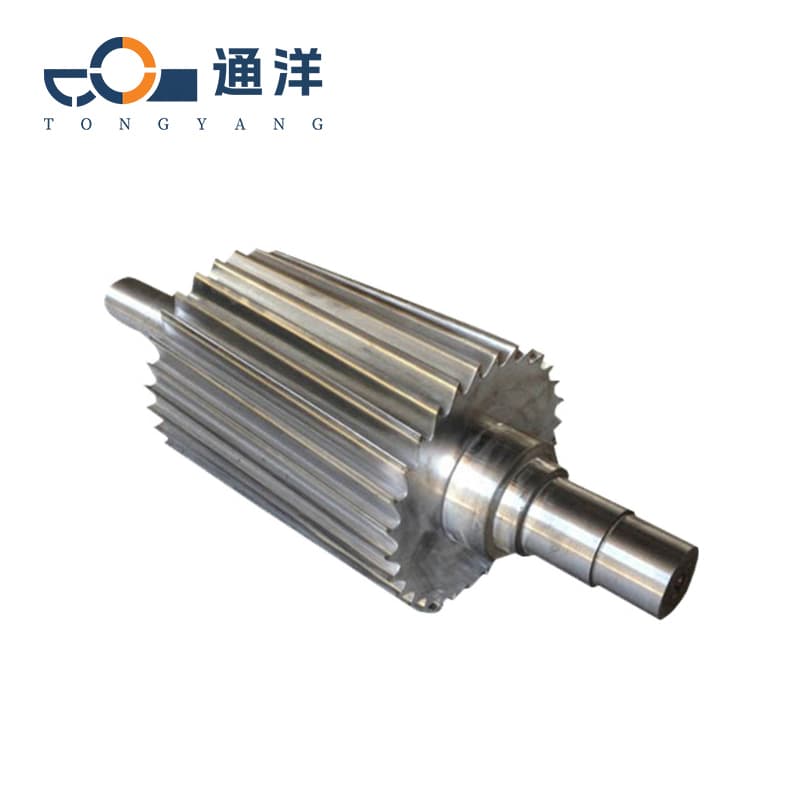
GBK-001
Dao cố định granulator
Dao bed granulator cho nhu cầu dao bed granulator. Vật liệu thường dùng: SKD11 / D2 / HSS / tungsten carbide. Ứng dụng phổ biến: Thay dao bed / Nghiền PET và nhựa cứng / Tạo hạt màng và bao dệt.
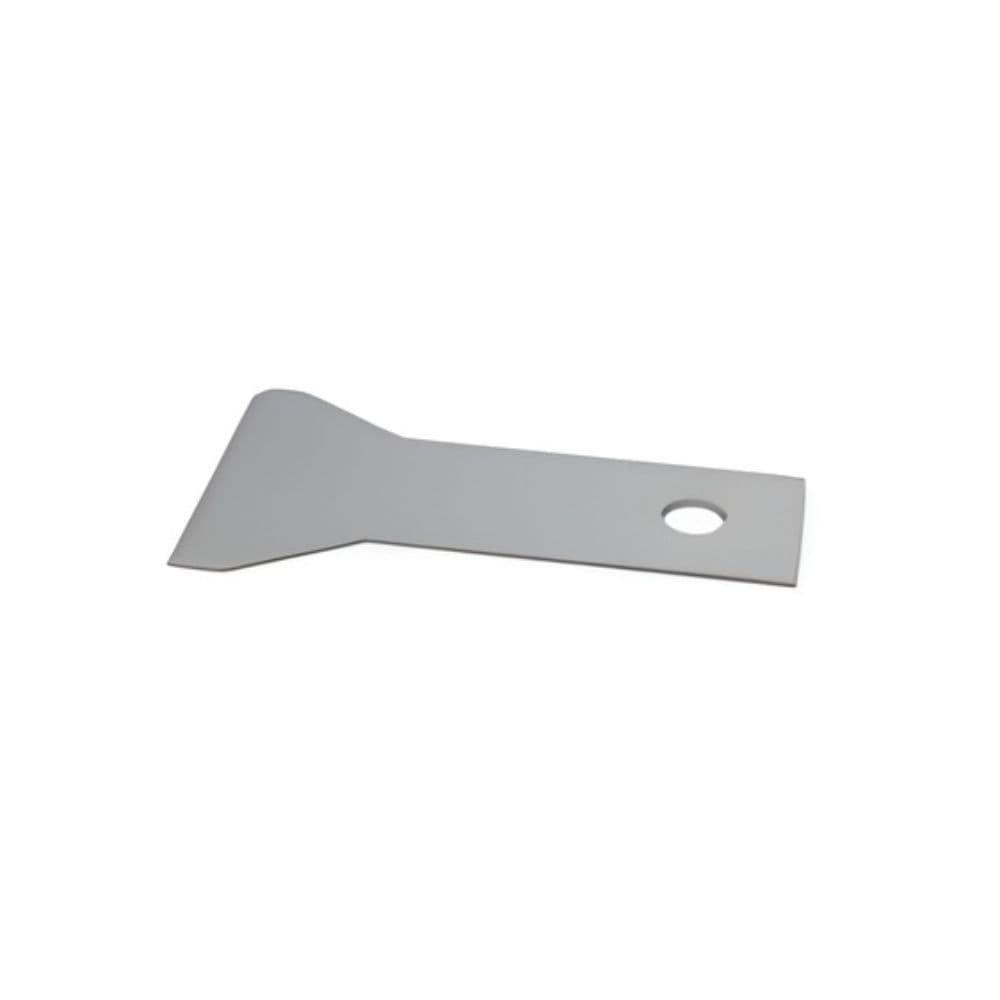
CCK-006
Dao cutter compactor (EREMA)
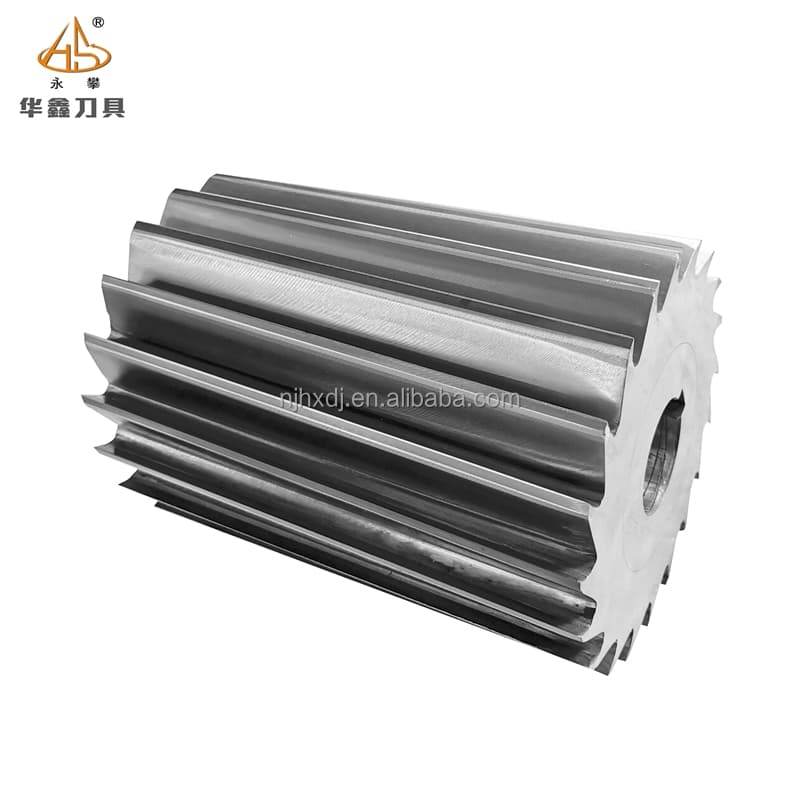
Dao cutter compactor cho nhu cầu dao cutter compactor / agglomerator. Vật liệu thường dùng: D2 / SKD11 / HSS / alloy steel. Ứng dụng phổ biến: Dây chuyền cutter compactor cho màng / Nén đặc và kết tụ nhựa / Nén trước khi tạo hạt.
PPB-008
Dao pelletizer dạng sợi hoặc mặt khuôn
Dao pelletizer cho nhu cầu dao pelletizer. Vật liệu thường dùng: D2 / SKD11 / M2 / HSS. Ứng dụng phổ biến: Cắt hạt dạng sợi / Cắt hạt mặt khuôn / Sản xuất hạt nhựa tái chế.
Nhóm dao liên quan
Bài viết liên quan
Câu hỏi thường gặp về dao tái chế màng PE
Loại dao nào thường được sử dụng trên dây chuyền tái chế màng PE?+
Tại sao dao cắt màng PE lại bị hỏng khác với dao cắt nhựa cứng?+
Chúng tôi có cần thay thế dao tĩnh hoặc các bộ phận ăn khớp cùng với dao rotor không?+
Các bạn có thể báo giá dao tái chế màng nhựa từ mẫu cũ hoặc hình ảnh không?+
Các loại dao máy nén ép và dao cắt tạo hạt tương thích với EREMA có sẵn không?+
Các bạn có hỗ trợ đơn hàng xuất khẩu cho các đơn vị tái chế màng nhựa tại Đông Nam Á không?+
Bạn cần dao tái chế màng PE phù hợp với giai đoạn dây chuyền thực tế của mình?
Hãy gửi ảnh chụp dao hiện tại, giai đoạn máy, tình trạng nguyên liệu đầu vào và triệu chứng chính mà bạn đang gặp phải. Chúng tôi có thể xem xét các vị trí dao băm (shredder), máy nén (compactor), máy tạo hạt (granulator), dao tĩnh (bed knife) hoặc dao cắt hạt (pelletizer) và đề xuất phương án thay thế phù hợp nhất.