Single-Shaft Shredder Knife Indexing and RFQ Checklist

If a single-shaft shredder is suddenly drawing more amps, producing uneven particles, or eating through one row of cutters, the first commercial question is not “Which steel is hardest?” It is whether the rotor knife, the counter knife, the holder geometry, and the indexing pattern still match the real feed stream. WEIMA states that optimum coordination of rotor, knives, and counter knives is decisive for the shredding result.
Buyer conclusion: indexable cutters only save money when the pocket and counter side still fit
Many buyers correctly focus on turnable or indexable shredder cutters because indexing reduces downtime and extends usable knife life. But the savings disappear if the pocket seat is worn, the clamp face is damaged, or the counter knife is no longer positioned to maintain the intended gap. A supplier who quotes a replacement cutter without asking for pocket photos is usually pricing the symptom rather than the chamber condition.
This matters even more when the feed has changed. A line that once handled clean film bales may now run thicker rigid scrap, startup lumps, or wood-plastic mix. The part number may not have changed, but the wear pattern has. Before you ask for a harder grade, check whether the rotor geometry, cutter size, and counter knife arrangement still belong to the actual duty cycle.
What official machine-maker sources say about shredder geometry
WEIMA’s WLK 13 page says the interaction between the cutting knife and the counter knife has a significant influence on throughput and shredding result, and it describes manually adjustable as well as reversible counter knives to maintain a proper cutting gap. That is a direct RFQ lesson: a knife buyer should record not just the cutter size but also whether the counter knife is adjustable, reversible, or already consumed on one edge.
Vecoplan’s VIZ page says the rotor solution uses bolted tool-holder plates with variably executable cutting-tip sizes and that cutting geometry plus screen selection can be adapted in detail to input and output requirements. In other words, cutter geometry is an operating decision. If your output spec changed, or fines and throughput changed, the RFQ should mention the screen and expected particle window, not just the old cutter dimensions.
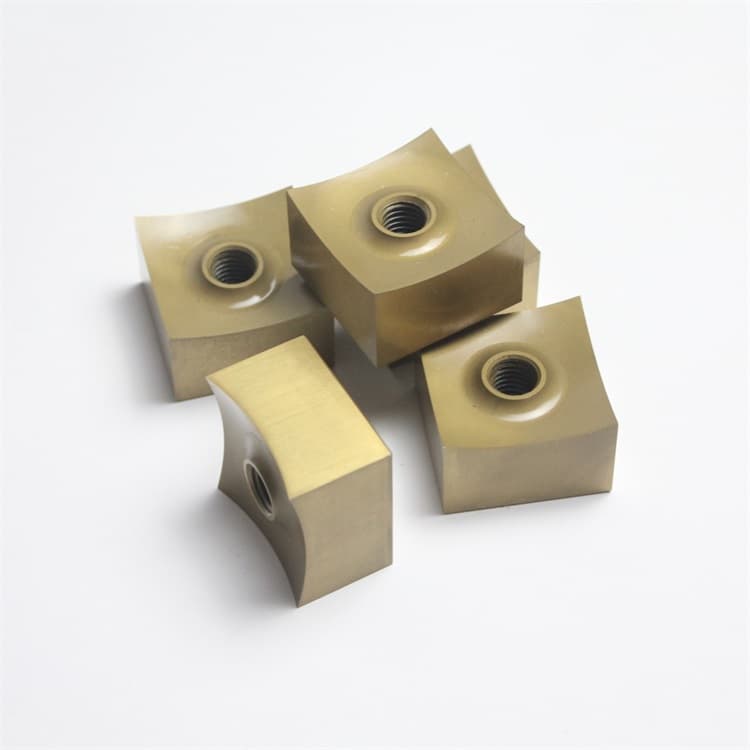
ZERMA’s ZXS datasheet describes square knives fixed in special knife holders, producing high-quality output material in large volumes. That reinforces the same aftermarket point: square knives do not function independently from the holder system, and the holder system should be photographed and reviewed whenever a buyer is trying to match a worn sample.
Machine-stage fit: pre-shredding, primary reduction, or final sizing
Single-shaft shredders are used in more than one stage. Some installations are true pre-shredders that only need stable downstream feed for a crusher or granulator. Other installations are expected to deliver a controlled output size directly through a screen. The first category prioritizes bite, anti-bridging behavior, and rotor stability. The second category cares much more about counter-knife condition, cutter indexing discipline, and screen fit because output size and fines are commercial deliverables.
If your line feeds a downstream granulator, review our granulator gap checklist and our HDPE pipe regrind solution together with this article. If the shredder sits upstream of a wood or biomass system, compare the requirements in our wood pallet and biomass solution. The point is simple: “shredder knife replacement” is not one buying job. The next machine stage defines what the cutter should accomplish.
RFQ checklist: what to send before asking for price only
The fastest shredder RFQs combine part geometry with operating context. Send these items in the first email or form submission:
- Machine brand and model, plus serial number if available.
- Feed stream description: film, rigid plastic, pipe, lumps, woven bags, wood scrap, or mixed material.
- One clear front photo of the knife, one side-profile photo, and one installed photo in the holder.
- Pocket or holder-seat photos that show wear, battering, or distortion.
- Counter-knife or bed-knife photos and whether it is adjustable or reversible.
- Current symptom: bridging, low throughput, more fines, hot running, one-sided wear, broken tips, or frequent reversing.
- Screen size or target output size if the shredder is expected to control particle size.
- Whether you want exact OEM replacement, geometry review from an old sample, or a trial batch.
Buyers often send only a knife length, width, thickness, and hole count. That can be enough for a rough quote, but it is not enough for a low-risk quote. If the feed changed, the holder is worn, or the counter side is ignored, the same line can still underperform after new knives arrive.
Indexing discipline: when rotating square cutters helps and when it hides a chamber problem
Indexable cutters are excellent when the wear pattern is predictable and the chamber stays stable. They are less useful when one pocket is loose, one row is taking extra impact, or the counter side is no longer parallel. In those cases, indexing can hide the problem for a short time while output quality continues to drift. That is why we ask buyers to label which positions fail first. The location of wear is often more useful than the hardness number in the first email.
If the cutter corners are chipping, describe the feed and mention contamination honestly. If the edges are polishing instead of chipping, say that too. If the shredder spends too much time reversing, note that behavior. These are not minor troubleshooting notes. They tell the supplier whether the job is primarily about impact, abrasion, cutting-gap stability, or holder integrity.
Expert practical-selection notes for buyers and dealers
For dealers and maintenance teams, the best practice is to separate the quote into three levels. Level one is the direct knife replacement. Level two adds counter knives, spacers, or holders when chamber wear is obvious. Level three includes hardware and screen review when the machine’s output spec matters to the next stage. This structure makes it easier to compare suppliers and avoids paying emergency freight twice.
Use the exact machine position in the RFQ: rotor cutter, fixed counter knife, holder plate, spacer, clamp, or screen. Say whether you need a few pieces for testing or a full set for shutdown. If you are working from an old sample, note what dimension may be worn away. Those simple details let a manufacturer decide whether the sample is sufficient or whether the machine seat needs more photos before production.
When you are not sure where to start, shortlist the nearest geometry in our single-shaft shredder knife category, compare with the broader general shredder knives category, and send your installed-part photos through the RFQ form. If the job is for rigid plastic or film, also review our rigid-plastic application guide and PP woven-bag guide.
FAQ
Do I need to photograph the holder if I already know the knife size?
Yes. Official machine-maker sources repeatedly tie the cutter to the holder geometry and counter-knife condition. Holder photos reduce the risk of quoting a knife that fits on paper but does not solve the chamber problem.
Should I send screen information for a knife quotation?
If output size or fines matter, definitely. Vecoplan explicitly links cutting geometry and screen selection to input and output requirements, so screen data belongs in the RFQ.
What if I only need a few trial cutters?
Say that clearly. A trial batch is common for aftermarket shredder work, especially when the buyer is checking geometry from a worn sample or changing feed mix.
Which internal pages should I compare with this article?
Compare our HDPE pipe solution, wood pallet and biomass solution, single-shaft shredder knives, and contact page.