
Wood Chipper Knife RFQ Guide: What Buyers Should Confirm Before Ordering Rotor Knife Sets
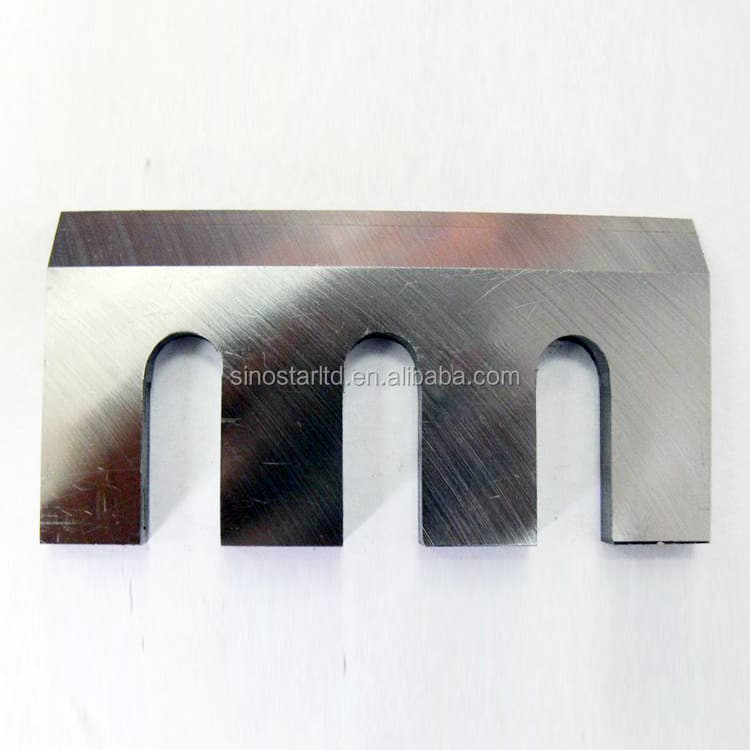
If a wood chipper knife set needs replacement, the first RFQ question is usually not "Which steel lasts the longest?" The first question is whether the installed knife pattern, hole layout, edge style, hardware package, and actual wood stream still match the machine duty.
That buyer conclusion matters because official Bandit and Morbark references treat chipper knives as machine-specific wear parts, not generic flat bars. They connect knife count, hardware, chip quality, and maintenance practice to the chipper platform itself. For purchasing teams, that means the machine family and field symptom belong in the RFQ before price discussions start.
The fastest low-risk quote requests combine the knife geometry, the wood being chipped, the current production complaint, and photos of the installed position in the first message. That is how buyers separate routine spare-part replenishment from a broader chamber review before the next shutdown.
Source-backed commercial summary
Official Bandit and Morbark material makes one thing clear: wood-chipper knives are part of a wear-parts system that includes hardware, anvils or counter surfaces, and machine-specific knife counts. Buying signals therefore include machine style, knife pattern, wood condition, and whether the line is chasing chip quality, uptime, or both.
What buyers should confirm before ordering wood chipper knives
- Machine family: drum chipper, disc chipper, brush chipper, or another wood-waste chipper
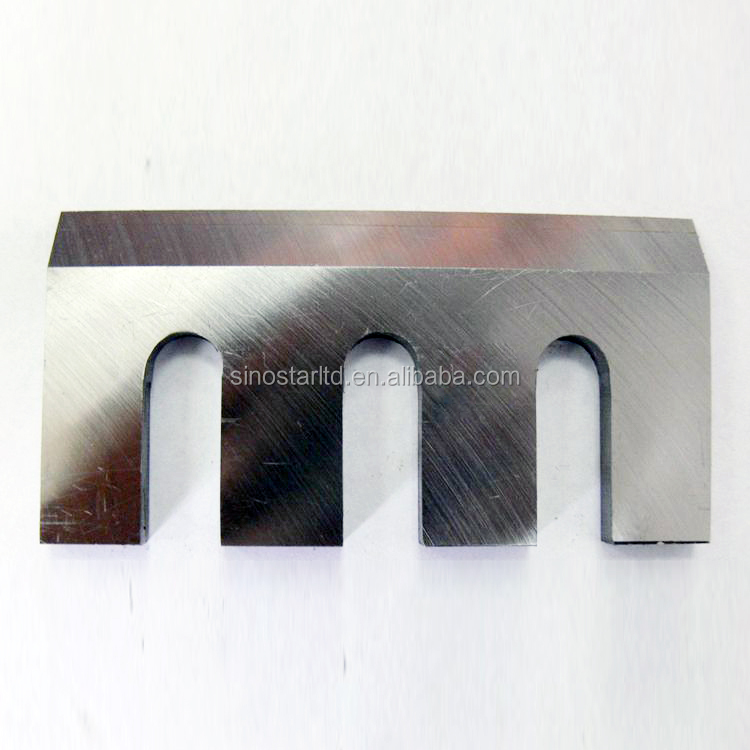
- Knife size, hole pattern, bevel arrangement, and whether the knife is reversible or fixed-orientation
- Whether the machine is running hardwood, softwood, mixed arbor waste, or contaminated wood waste
- Current complaint: poor chip quality, fast knife wear, downtime, or mounting-fit problems
- Whether the counter knife or anvil side is also being reviewed at the same time
- Whether new bolts, nuts, or hardware are needed with the knife change
Wood chipper knives are wear parts in a machine-specific cutting package
Official Bandit wear-parts catalogs and Morbark knife information both show that chipper knives are not sold as abstract steel strips. They belong to machine-specific packages with defined knife counts, hardware, and matching wear parts. Morbark also emphasizes that sharp, well-maintained knives support safer operation and reduce jams and kickbacks.
For buyers, that means the RFQ should clearly identify the machine family and the installed knife pattern. A close-looking knife from another chipper platform is not automatically the right service part.
Wood species, contamination, and machine role all affect knife duty
Chippers processing clean softwood, hardwood, arbor waste, or dirtier biomass do not place the same duty on the knife. Morbark explicitly frames its knife offering around hardwood, softwood, and mixed materials, while Bandit's machine-specific wear-part documents show how tightly the knife and anvil package are tied to the machine model.
That is why buyers should mention not only the machine but also the wood condition and whether chip consistency or uptime is the main concern. Knife life expectations can change quickly when the wood stream gets dirtier or drier.
What common chipper symptoms usually mean
Oversized chips, rising power load, more vibration, or rapid edge failure are usually signs that the knife change should be reviewed together with the counter side and hardware. Bandit's wear-parts documentation consistently pairs knives, anvils, and hardware in the same service context, which is a good reminder that the knife does not work alone.
If the buyer reports that the chipper used to run acceptably on the same wood but now needs more frequent knife service, the RFQ should include that field history rather than only the knife dimensions.
How to request a correct chipper-knife quotation
The most useful RFQs combine machine-specific fit with operating context. A knife photo alone helps, but a machine model, knife count, hole pattern, and short note on wood type make the quote much safer.
- Send photos of the knife, the installed position, and the bolt-hole pattern.
- State whether the machine is drum, disc, or brush chipper style.
- Describe the wood stream as softwood, hardwood, mixed arbor waste, or wood waste with contamination risk.
- Mention if the main problem is chip quality, uptime, or frequent edge damage.
Commercial symptoms that usually mean the knife package needs review
These are the most common commercial situations behind chipper-knife RFQs. They usually require the buyer to review the machine-specific knife package rather than one blade in isolation.
Chip quality has dropped and the machine is making larger or rougher chips
When chip quality changes, the review usually starts with knife sharpness, the counter side, and whether the installed knife pattern still matches the machine and wood stream correctly.
Knife life has fallen sharply on harder or dirtier wood
If the wood stream changed, the RFQ should say so. Hardwood, dry material, and contamination can all change the expected duty on the cutting edge and hardware package.
The machine needs a known replacement pattern and hardware-ready fit
Many chipper buyers are trying to match a known installed pattern rather than redesign the chamber. In that situation, machine-specific fit and hardware details are just as important as steel selection.
Internal routes buyers usually compare next
Start with our wood chipper knife category, then compare the wood chipper replacement knife, reversible drum chipper knife, Bandit-compatible drum chipper knife, the counter knife and anvil category, the counter-side RFQ article, the wood pallet and biomass chip-quality solution, and the contact page.
Wood chipper knives FAQ
Why should the RFQ include the machine type and not only the knife dimensions?
Because official chipper wear-parts references are strongly machine-specific. Knife count, hardware, and counter-side pairing all depend on the chipper platform.
Does the wood stream matter when ordering chipper knives?
Yes. Morbark explicitly frames knife use around hardwood, softwood, and mixed materials, and field wear can change significantly with dirtier or drier feed.
Should I review the anvil or counter side when changing chipper knives?
Usually yes. Bandit's wear-parts documentation and general chipper service logic both treat knives and the counter side as related service items.
What is the safest way to request a quotation without a drawing?
Send machine model information if known, knife photos, hole pattern, knife count, and a short note on the wood being chipped. That gives a far safer basis for review than dimensions alone.
Machine-maker references used for this category page
This category page uses official chipper wear-parts and machine references that show knives, hardware, and machine style as a linked service package.
- Tree Care Wear Parts Catalog (Bandit Industries): Bandit lists machine-specific chipper knives, anvils, and hardware together, reinforcing the model-specific nature of chipper wear parts.
- Wear Parts - Model 12XC Drum-Style Chipper (Bandit Industries): Bandit shows the anvil and knife as related service parts in a machine-specific wear-parts sheet.
- Knives (Morbark): Morbark emphasizes use across hardwood, softwood, and mixed materials and links sharp, well-maintained knives to safer operation and fewer jams.