
Mga karaniwang problema sa linya ng gulong sa likod ng RFQ
- •Ang mga pangunahing cutter ay mas mabilis na nauupod matapos baguhin ng planta ang timpla ng gulong o target na output, ngunit ang RFQ ay humihingi pa rin lamang ng lumang geometry.
- •Ang mga secondary chip ay nagdadala na ngayon ng mas maraming alambre o hindi gaanong consistent ang pagpapakain sa granulator kahit na pinalitan lamang ng planta ang isang pamilya ng cutter.
- •Ang temperatura ng granulator, mga pino (fines), o consistency ng crumb ay nagbago, ngunit hindi sigurado ang mamimili kung ang tunay na problema sa pagbili ay nagsisimula sa upstream.
- •Ang maintenance team ay may mga gamit nang sample at mga larawan ng chamber ngunit walang kumpletong drawing para sa shredder, rasper, o yugto ng granulator.
Konklusyon ng mamimili: ang mga kutsilyo para sa pag-recycle ng gulong ay dapat i-quote ayon sa yugto ng makina at target na end-product
Ang USTMAay nagpapakita na ang mga recycled na gulong ay napupunta sa iba't ibang downstream market, mula sa tire-derived fuel at civil engineering hanggang sa mga molded product at mga surface para sa sports o playground. Ang mga market na iyon ay nagbibigay ng gantimpala sa iba't ibang balanse ng throughput, kalidad ng chip, paghihiwalay ng alambre, at kalinisan ng granulate. Ibig sabihin, ang isang seryosong RFQ ay dapat magsabi kung ano ang sinusubukang ibenta ng linya, hindi lamang kung anong kutsilyo ang kasya sa makina.
Pahina ng aplikasyon para sa gulong ng UNTHAatPahina ng sistema ng pag-recycle ng gulong ng Genoxparehong nagpapakita ng pagproseso ng gulong bilang isang sistemang may mga yugto sa halip na isang beses na pagbili ng kutsilyo. Para sa mga mamimili, ang praktikal na konklusyon ay simple: ang mga cutter para sa primary shredder, secondary liberation, at granulator knives ay dapat i-quote ayon sa responsibilidad ng yugto at target na output, hindi bilang isang hindi naiibang pamilya ng mga spare part.
Pagkakaangkop sa yugto ng makina: ang primary shredding, secondary liberation, at granulation ay magkakaibang konteksto ng aplikasyon
Ang primary shredding ay karaniwang isang tungkulin ng pagbabawas na nangangailangan ng mataas na torque. Ang komersyal na tanong sa yugtong ito ay hindi lamang kung gaano katagal tumatagal ang cutter, kundi kung ang yugto ba ay nakakagawa ng tamang paglilipat para sa susunod na makina.Kaso ng T160 OTR tire ng SSIay kapaki-pakinabang dahil binabalangkas nito ang mabigat na pagbabawas ng gulong sa paligid ng pagbabawas ng laki na may mga yugto sa halip na sa isang unibersal na claim para sa cutter.
Ang secondary shredding at rasping ay mas malapit sa performance ng liberation.Pahina ng SR900 ng SSIay naglalarawan ng mga mapapalitang screen, magagamit muling anvil, at mabilis na pagpapalit ng kutsilyo sa isang yugto ng secondary tire-reduction. Para sa mga mamimili, nangangahulugan ito na dapat banggitin sa RFQ kung ang reklamo ay pagkasira ng chamber, maruming chips, mas maraming wire na nadadala, o hindi matatag na feed patungo sa paghihiwalay ng bakal at granulation.
Ang granulation ay iba naman. Kapag ang planta ay naghahangad ng mas malinis na granulate o crumb, ang kondisyon ng fixed-knife, init, fines, at consistency ng feed ang mas mahalaga. Iyon ang dahilan kung bakit ang pahinang ito ay dapat suriin kasama ng atingpahina ng solusyon sa pag-recycle ng gulongat ang aminggabay sa RFQ para sa pag-recycle ng gulong.
Kung saan nababagay ang mga pamilya ng kutsilyong ito sa mga linya ng pag-recycle ng gulong at goma
Ang mga linya ng pag-recycle ng basurang gulong ay karaniwang gumagamit ng ilang magkakaibang pamilya ng pamutol sa buong planta. Dapat tukuyin ng mga mamimili kung saang pamilya talaga nabibilang ang RFQ bago nila ihambing ang mga presyo.
- Mga kutsilyo para sa double-shaft shredderay karaniwang nauugnay sa magaspang na pagbabawas ng gulong, pagpapakain ng malalaking materyales, at matibay na tungkulin sa unang yugto.
- Mga pamutol para sa pangkalahatang industrial shredderay madalas na lumilitaw sa pangalawang yugto ng pagbabawas ng laki o paghihiwalay kung saan nagiging mas mahalaga ang mas malinis na output at kondisyon ng mga bahaging sumusuporta.
- Mga kutsilyo para sa rubber granulatormahalaga kapag ang planta ay naglalayon ng mas malinis na granulate, kontroladong laki ng chip, o crumb-rubber feed para sa downstream separation at finishing.
Para sa pinakamalapit na mga ruta ng produkto, ihambing ang amingmga kutsilyo ng double-shaft shredder,mga kutsilyo para sa general shredder, atmga kutsilyo para sa granulatorna mga kategorya, pagkatapos ay buksan ang mga kinatawang piyesa gaya ngkutsilyo para sa tire recycling double-shaft shredder,kutsilyo para sa tire shredder, atinsert knife para sa rubber granulator.
Komersyal na target muna: ang TDF/TDA, chips, mulch, granulate, at crumb ay hindi nangangailangan ng parehong estratehiya sa kutsilyo
Ang isang linya na nagbebenta ng TDF/TDA ay maaaring mag-optimize batay sa throughput, matibay na behavior ng chamber, at predictable na gastos sa maintenance. Ang isang linya na nagbebenta ng mas malinis na chips para sa liberation, mulch, o crumb-rubber ay maaaring mas magbigay-pansin sa hugis ng output, wire carryover, at stable na downstream load. Ang komersyal na pagkakaibang iyon ay dapat isama sa loob ng RFQ.
UNTHAay tahasang nag-uugnay sa pag-recycle ng gulong sa TDF/TDA, chips, mulch, granulate, at powder.Genoxay tahasang nag-uugnay sa staged reduction sa pag-aalis ng bakal at mas malinis na output ng goma. Ang dalawang opisyal na pananaw na iyon ay tumutulong sa mga mamimili na magpasya kung ang tamang layunin sa pagbili ay mas mababang gastos sa cutter bawat tonelada, mas mahusay na liberation, mas malinis na granulate, o mas mahusay na paglilipat sa susunod na makina.
Kung ang reklamo sa negosyo ay nasa wire carryover, init ng crumb, o katatagan ng granulator, dapat itong sabihin nang direkta sa RFQ sa halip na ipakita ang trabaho bilang simpleng pagpapalit ng kutsilyo. Ang quote sa antas ng makina na walang target na end-product ay madalas na masyadong makitid upang maging kapaki-pakinabang sa komersyo.
Mga praktikal na tala sa pagpili para sa mga mamimili, service team, at mga regional parts dealer
Ang pinakaligtas na istruktura ng pag-quote ay ang paghiwalayin ang trabaho sa direktang pagpapalit, pagsusuri sa cutter-plus-support, o mas malawak na pagsusuri sa stage. Ang direktang pagpapalit ay angkop kapag ang chamber ay nasa maayos na kondisyon at ang planta ay nangangailangan lamang ng mga shutdown spare. Ang pagsusuri sa cutter-plus-support ay angkop sa mga kaso kung saan ang mga holder, anvil, o fixed position ay maaaring nakakaapekto na sa output. Ang pagsusuri sa stage ay angkop kapag ang reklamo ay kinabibilangan ng maruming chips, hindi matatag na liberation, o mas mainit na pagtakbo sa downstream.
Para sa mga dealer at maintenance team, nakakatulong na sabihin kung ang request ay para sa urgent shutdown coverage, trial batch, o repeat spare program. Ang pagbabalangkas na iyon ay nagpapahintulot sa supplier na magpasya kung kailangan ng customer ang pinakamalapit na umiiral na geometry, pagsusuri sa worn-sample, o mas malinaw na diskusyon sa chamber-fit bago putulin ang bakal.
Kung ang iyong linya ay nagpapatakbo rin ng mixed industrial rubber sa halip na end-of-life tires lamang, banggitin ito nang maaga. Ang mixed rubber, mga pagbabago sa tire mix, o paglipat patungo sa mas malinis na granulate ay maaaring magpabago sa pinakaligtas na estratehiya sa knife-life kahit na manatiling pareho ang modelo ng makina.
Ano ang ipapadala para sa mabilis na quotation ng kutsilyo para sa waste-tire at rubber
Ang pinakamabilis na mga RFQ ay pinagsasama ang data ng fit sa konteksto ng linya. Ipadala ang mga item na ito sa unang email hangga't maaari:
- Brand ng makina, modelo, at serial number kung alam
- Eksaktong stage: primary shredder, secondary shredder, rasper, o granulator
- Feed mix: mga gulong ng pampasaherong sasakyan, gulong ng trak, mga bahagi ng OTR, pinaghalong mga gulong, o pang-industriyang goma
- Kasalukuyang komersyal na target: TDF/TDA, mga chips, mulch, granulate, o crumb
- Mga naka-install na larawan ng mga kutsilyo, holder, anvil, pocket, o mga fixed na kutsilyo
- Kasalukuyang sintomas: maikling buhay, mga bingot na kanto, mas maraming wire carryover, mas mainit na pagtakbo, maruming chips, o hindi matatag na feed ng granulator
- Kung gusto mo ng direktang kapalit, isang trial lot, o isang mas malawak na teknikal na pagsusuri
Kung mayroon ka lamang mga gamit na sample, sabihin ito nang direkta. Normal iyon sa aftermarket na pag-recycle ng gulong. Ang mga magagandang larawan, paglalarawan ng yugto, at ang kasalukuyang reklamo sa downstream ay madalas na sapat na upang simulan ang pagsusuri. Kapag handa ka na, ipadala ang package sa pamamagitan ngpahina ng pakikipag-ugnayan.
Mga representatibong piyesa para sa linyang ito
Gamitin ang pinakamalapit na geometry bilang RFQ reference at pagkatapos ay magpadala ng sukat o larawan ng lumang blade.
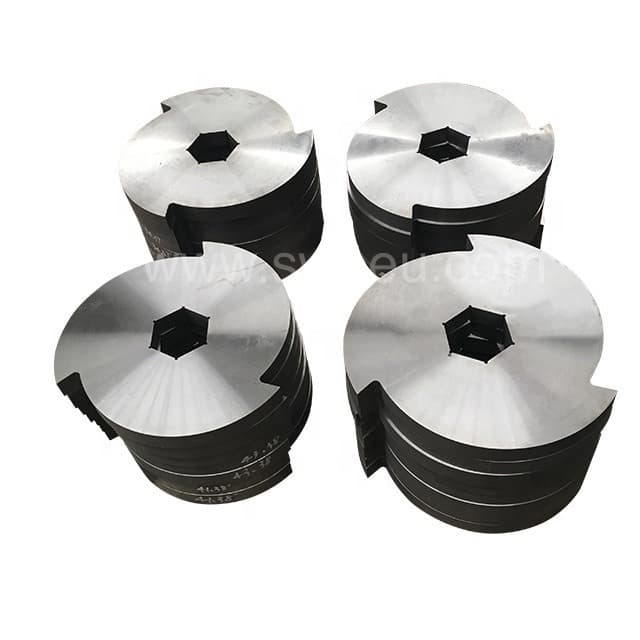
DSK-001
Rotor knife ng double-shaft
Kutsilyo ng double-shaft shredder para sa karaniwang gawain ng mga kutsilyo ng double-shaft shredder. Karaniwang materyal: SKD11 / D2 / Cr12MoV. Madalas na gamit: Mga double-shaft shredder / Pagpapaliit ng malalaking basurang plastik / Paunang pagproseso ng goma at gulong.
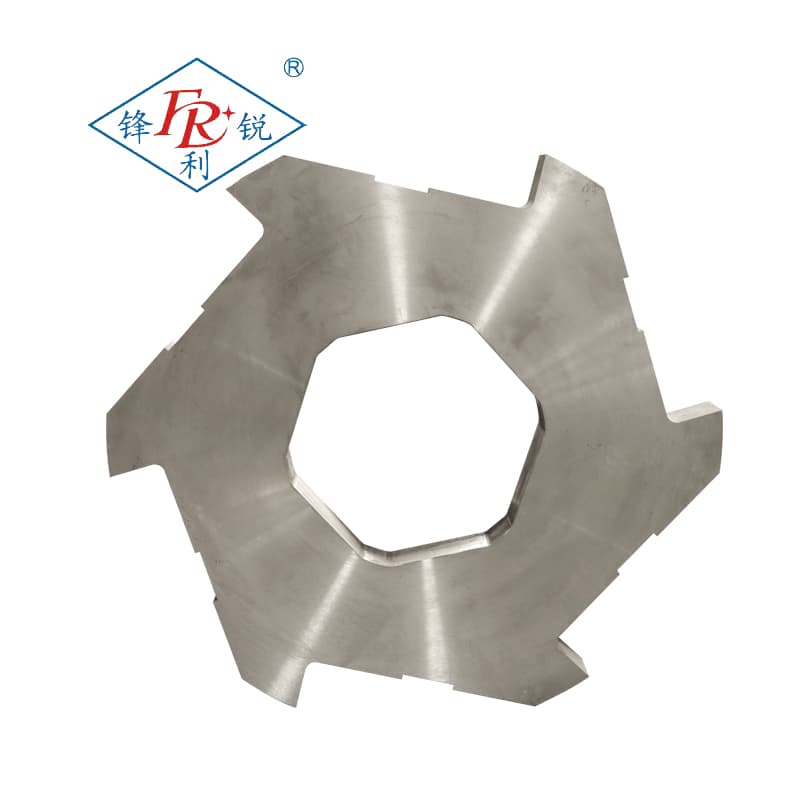
DSK-009
Kutsilyo ng double-shaft shredder
Kutsilyo ng double-shaft shredder para sa karaniwang gawain ng mga kutsilyo ng double-shaft shredder. Karaniwang materyal: D2 / alloy steel / H13 / SKD11. Madalas na gamit: Mga double-shaft shredder / Pagpapaliit ng malalaking basurang plastik / Paunang pagproseso ng goma at gulong.
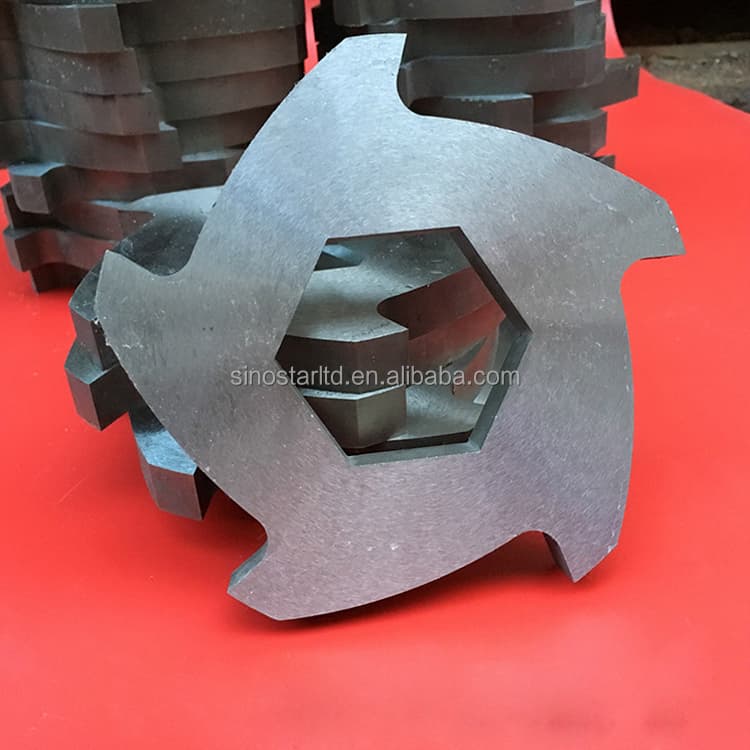
GSK-002
Kutsilyo ng shredder para sa gulong at goma
Pangkalahatang kutsilyo ng shredder para sa karaniwang gawain ng mga pangkalahatang kutsilyo ng shredder. Karaniwang materyal: SKD11 / Cr12MoV / 9CrSi. Madalas na gamit: Mga pangkalahatang linya ng recycle / Paggutay ng plastik at goma / Pagpapaliit ng halo-halong scrap.
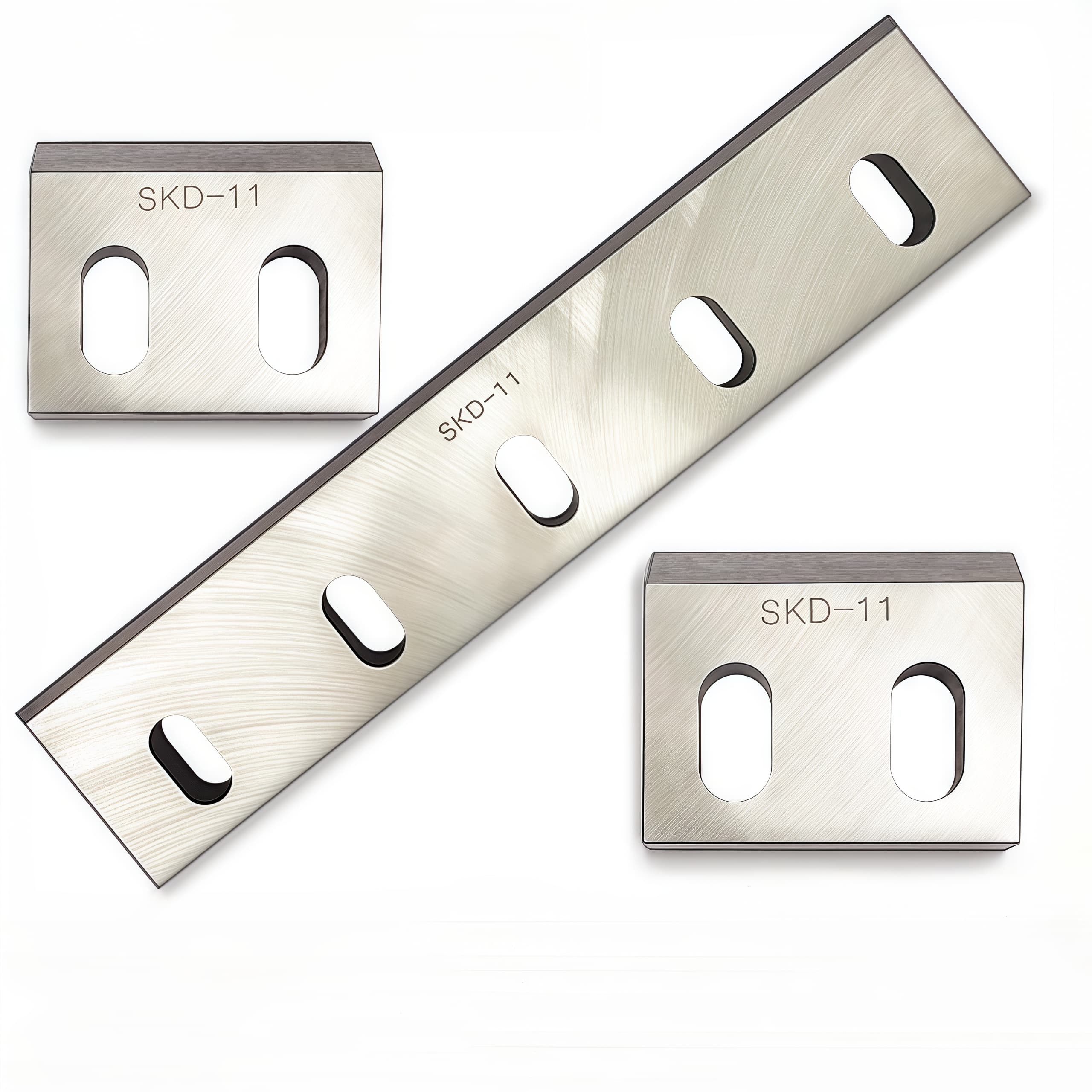
PGK-006
Kutsilyo sa pagputol ng granulator
Kutsilyo ng plastic granulator para sa karaniwang gawain ng mga kutsilyo ng plastic granulator. Karaniwang materyal: SKD11 / D2 / HSS / 9CrSi. Madalas na gamit: Mga linya ng granulation ng plastik / Pagputol ng film at woven bag / Pagbawi ng edge trim.
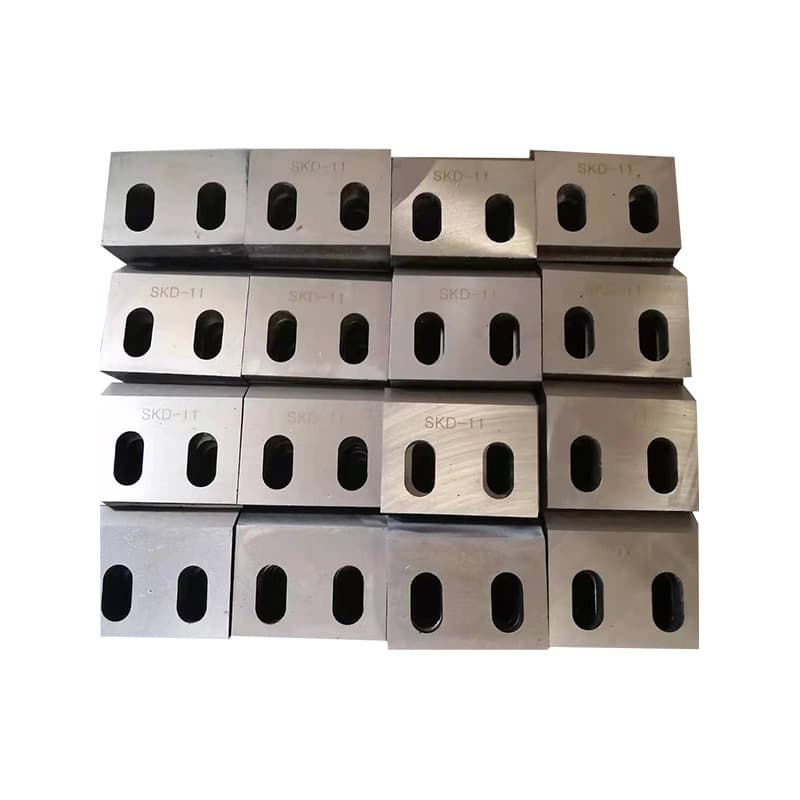
PGK-008
Kutsilyo sa pagputol ng granulator (SKD11)
Kutsilyo ng plastic granulator para sa karaniwang gawain ng mga kutsilyo ng plastic granulator. Karaniwang materyal: SKD11 / D2 / HSS / 9CrSi. Madalas na gamit: Mga linya ng granulation ng plastik / Pagputol ng film at woven bag / Pagbawi ng edge trim.
Mga kaugnay na kategorya
Mga kaugnay na artikulo
Gabay sa RFQ para sa Tire Recycling Knife: Ano ang Dapat Ipadala ng mga Mamimili Bago Mag-order ng mga Shredder o Granulator Cutter
Isang gabay para sa mga mamimili na suportado ng source para sa mga tire recycler na nag-o-order ng mga primary shredder cutter, secondary shredder knife, o rubber granulator blade para sa mga linya ng TDF, chip, mulch, granulate, o crumb.
Basahin ang artikuloSingle-shaft shredder knife indexing: RFQ guide para sa buyers
Original na gabay para sa buyers batay sa official machine documentation: kailan talaga nakakatulong ang indexing, kailan mas mahalaga ang kondisyon ng chamber, at ano ang dapat ipadala bago humingi ng quote.
Basahin ang artikuloFAQ tungkol sa mga kutsilyo para sa pag-recycle ng mga basurang gulong at goma
Aling pamilya ng kutsilyo ang dapat nating unahin sa isang linya ng pag-recycle ng gulong?+
Kailangan ba nating banggitin ang downstream product sa RFQ?+
Maaari ba kayong magbigay ng quote base sa mga gamit na piyesa at mga larawan ng chamber?+
Bakit dapat banggitin ang yugto ng granulator kung ang kasalukuyang problema ay mukhang problema sa shredder?+
Aling mga internal page ang dapat nating ikumpara bago ipadala ang RFQ?+
Pangunahing tagagawa ng makina at mga source sa industriya sa likod ng gabay na ito
Ang gabay na ito ay isinulat mula sa opisyal na dokumentasyon ng tire-recycling, shredder, at downstream-processing. Ang set ng source sa ibaba ay ginamit upang balangkasin ang pagkakabagay sa yugto ng makina, mga target para sa end-product, at istruktura ng RFQ.
USTMA
Pangkalahatang-ideya ng tire recycling
Iminamapa ng USTMA ang mga recycled na gulong sa maraming downstream market, na kapaki-pakinabang para sa pag-target ng output sa panig ng mamimili at pagbalangkas ng RFQ.
View sourceUNTHA
Pahina ng aplikasyon para sa mga rubber tire
Ikinokonekta ng UNTHA ang staged tire processing sa mga output gaya ng TDF/TDA, chips, mulch, granulate, at powder, na tumutulong sa mga mamimili na matukoy ang stage fit.
View sourceGenox
Sistema sa pag-recycle ng gulong
Inilalarawan ng Genox ang staged system mula sa rough shredding hanggang sa steel separation at granulation, na direktang sumusuporta sa pagpili ng application-stage.
View sourceSSI
Uni-Shear SR900
Binibigyang-diin ng SSI ang secondary tire reduction gamit ang mga replaceable screen, reusable anvil, at mabilis na pagpapalit ng kutsilyo, na kapaki-pakinabang para sa pagpaplano ng RFQ.
View sourceSSI
T160 Tri-Shear para sa mga gulong ng OTR
Ang mga frame ng SSI ay nagsasagawa ng napakabigat na pagbabawas ng gulong bilang staged size reduction, na nagbibigay-diin sa pangangailangang tukuyin kung ang RFQ ay nabibilang sa first-stage duty o sa mas huling yugto ng liberation.
View sourceKailangan bang suriin ang mga waste-tire o rubber knife laban sa iyong aktwal na yugto ng linya?
Ipadala ang tire mix, yugto ng makina, target na output, mga larawan ng nakakabit na piyesa, at ang kasalukuyang reklamo sa downstream. Maaari naming suriin ang direktang kapalit o mas malawak na isyu sa pagkakabagay ng yugto bago ang produksyon.