
Mga karaniwang problema sa linya ng gulong sa likod ng RFQ
- •Ang laki ng chip ay lumalaki, nananatiling nakakabit ang bakal, o ang downstream granulator ay nagsisimulang lumikha ng mas maraming init at pino
- •Matutukoy ng mga maintenance team ang lumang kutsilyo, ngunit hindi ang tunay na yugto ng makina, isyu sa stack-tolerance, o problema sa fit ng linya
- •Kailangan ng planta ng mga pamalit na cutter nang mabilis, gayunpaman ang pagbili ng "parehong kutsilyo muli" ay nagdulot na ng paulit-ulit na downtime
- •Gusto ng mamimili ng isang spare set na sumasaklaw sa lohika ng shredder, rasper, at granulator nang magkasama bago ang susunod na shutdown
Konklusyon ng mamimili: ang mga kutsilyo para sa gulong ay dapat i-quote ayon sa yugto ng makina at target na output
Ang pinakaligtas na komersyal na panimulang punto sa isang linya ng pag-recycle ng gulong ay ang pag-quote ng mga kutsilyo ayon sayugto ng makina,target na output, atsintomas ng linya, hindi lamang sa pamamagitan ng panlabas na mga dimensyon. AngUSTMA Scrap Tire Handbookay tumatalakay sa naprosesong materyales ng gulong ayon sa laki ng shred, nominal na laki ng chip, at ruta ng paggamit. Sa praktikal na aplikasyon, nangangahulugan ito na ang isang mamimili na nagtatanong para sa "mga kutsilyo ng shredder ng gulong" ay maaaring bumibili para sa magaspang na pagpapaliit ng buong gulong, pag-size ng chip para sa TDF o TDA, paghihiwalay ng alambre bago ang mas pinong pagbabawas, o paghahanda ng feed para sa crumb rubber. Ang mga iyon ay magkakaibang trabaho, kahit na ang lahat ng ito ay nagaganap sa parehong linya.
Iyon ang dahilan kung bakit inirerekomenda naming i-quote ang aplikasyong ito bilang isang konektadong pakete ngmga kutsilyo ng double-shaft shredder,mga kutsilyo para sa general shredder, atmga pamilya ng granulator-knife, pagkatapos ay paliitin ang RFQ sa aktwal na yugto. Kung ang reklamo ay may kasamang malalaking chips, mahinang paghihiwalay ng bakal, mainit na granulation, o mabilis na pagbaba ng buhay ng gamit pagkatapos ng pagbabago sa recipe, ang mamimili ay hindi na lamang nag-oorder ng simpleng spare part. Ang mamimili ay nag-oorder ng stage fit.
Machine-stage fit: ang pagpapaliit ng buong gulong, chip control, paghihiwalay ng alambre, at granulation ay magkakaibang trabaho ng kutsilyo
Ang mga opisyal na sanggunian sa pagproseso ng gulong ay patuloy na naglalarawan sa linya bilang isang pagkakasunod-sunod sa halip na isang generic na cutting chamber.CM Shreddersay nagpapakita ng mga TDF at aggregate system sa pamamagitan ng pinag-ugnay na pag-shred, pag-screen, at pag-chip.Multi Purpose Rasper ng ELDANay nakaposisyon bilang isang dedikadong heavy-duty stage para sa pagbabawas ng gulong at steel-cord, habang angELDAN's HDG240ay humahawak sa susunod na tungkulin ng granulation. Dapat gamitin ng mga mamimili ang parehong lohika sa pagkuha (procurement): sabihin kung ang order ay para sa primary downsizing, secondary chip control, steel liberation, o granulation.
Ang stage language na ito ay mahalaga dahil ang failure mode ay nagbabago depende sa stage. Ang mga unang stage ay nagmamalasakit sa bite, torque stability, stack tolerance, at resistensya sa marumi o pinaghalong feed. Ang mga mid-stage ay mas nagmamalasakit sa chip uniformity, steel liberation, at kung paano tinatanggap ng susunod na makina ang materyal. Ang mga huling stage ay nagmamalasakit sa controlled reduction, screen interaction, fines, init, at malinis na maintenance access. Kung ang RFQ ay hindi tumutukoy sa stage, ang linya ay maaaring makatanggap ng kutsilyo na tama ang sukat ngunit hindi pa rin tumutugma sa layunin ng negosyo.
Primary shredding stage: ang mamimili ay bumibili ng stable bite, hindi lang matigas na talim
Sa mga unang stage ng pagbabawas, ang komersyal na tanong ay karaniwang kung ang mga kutsilyo ay patuloy na humahawak sa buong gulong nang consistent, nagpapanatili ng throughput, at nagpapakain sa linya para sa susunod na hakbang nang may katanggap-tanggap na torque at hugis ng chip.CM statesna ang mga tire system nito ay binuo sa paligid ng patented knife technology at close knife-to-knife tolerances na partikular sa pagproseso ng gulong. Iyan ay isang pahiwatig sa procurement. Ang isang seryosong RFQ para sa stage na ito ay dapat magbanggit ng stack condition, spacer wear, hindi pantay na pagkasira sa buong cutter pack, kasalukuyang motor load, at kung ang bite ay naging inconsistent na.
ELDAN's Super Chopper documentationay nagbibigay-diin din sa adjustable knife clearance para sa optimized cutting. Ibig sabihin nito, hindi dapat limitahan ng mga mamimili ang usapan sa steel grade lamang. Kung ang linya ay humihila nang mas mahirap, nagkakaroon ng bridging, o nag-iiwan ng mga chip na hindi maganda ang hugis, ang quotation ay dapat sumaklaw sa clearance condition, knife support, at kung ang request ay isang eksaktong kapalit o isang geometry review mula sa mga gamit nang sample.
Para sa pinakamalapit na panimulang punto ng aftermarket, ihambing ang amingtire-recycling double-shaft shredder knife,rubber double-shaft shredder cutter, at ang mas malawak nasolusyon para sa pagkasira at downtime ng shredder. Ang mga panloob na rutang iyon ay tumutulong sa mga mamimili na magpasya kung sila ay bibili ng mga paulit-ulit na piyesa, isang trial batch, o isang pagsusuri sa stack-tolerance bago ang shutdown.
Yugto ng pag-size ng chip at paghihiwalay ng wire: mahalaga ang merkado ng output gaya ng pagkakabagay sa makina
Kapag ang linya ay lumampas na sa magaspang na pagpapaliit, ang mamimili ay bumibili para sa isang merkado ng produkto. AngUSTMA handbookay nag-uugnay sa halaga ng naprosesong gulong sa laki at huling paggamitan nito. Kung ang planta ay nagbebenta ng tire-derived fuel, aggregate, o feed para sa pagproseso ng crumb-rubber, ang hugis ng chip at kondisyon ng wire ay nagiging mga komersyal na isyu, hindi lamang mga obserbasyon sa maintenance. Iyon ang dahilan kung bakit dapat sabihin sa isang RFQ kung ang linya ay naghahabol ng mas masikip na laki ng chip, mas malinis na paghihiwalay ng bakal, o mas mahusay na paglilipat sa isang rasper o granulator.
Rasper sheet ng ELDANay nagpoposisyon sa makina bilang isang inisyal o sekundaryong yugto ng pagbabawas para sa mga gulong at steel cord. Iyan ay isang matibay na gabay para sa mamimili. Kung ang kasalukuyang reklamo ay masyadong maraming bakal na nakadikit pa rin sa chip, masyadong maraming hindi regular na oversize, o hindi matatag na feed sa susunod na makina, ang yugto ay dapat i-quote bilang problema sa pagpapalaya ng wire o pagkontrol sa chip, hindi lamang bilang isa pang pagbili ng kutsilyo para sa tire shredder.
Ang pinakakapaki-pakinabang na panloob na paghahambing sa yugtong ito ay ang amingpahina ng solusyon para sa kalidad ng tire chip, ang bagongartikulo tungkol sa RFQ ng kutsilyo para sa tire shredder, at ang mga pahina ng kategorya para samga kutsilyo ng double-shaft shredderatmga kutsilyo para sa general shredder. Ang mga pahinang iyon ay nagpapanatili sa RFQ na nakatali sa parehong angkop na yugto at angkop na paggamit.
Yugto ng granulation: kapag ang mga pino, init, at hindi matatag na output ay nagpapakita na ang huling yugto ay hindi na tumutugma sa linya
Kadalasan ay sinisisi ng mga planta ang huling yugto lamang matapos nilang makita ang mainit na pagtakbo, mas maraming alikabok, mas maraming pino, o variable na granulate. Ngunit ipinapakita ng opisyal na dokumentasyon ng makina na ang pagganap ng granulation ay kabilang sa sistema ng pagputol at lohika ng screen, hindi lamang sa mga claim ng tigas.Pahina ng VFG granulator ng CMnag-uugnay sa yugto patungo sa advanced na disenyo ng kutsilyo, pagpili ng screen, at access sa pagsasaayos.ELDAN's HDG240nagtatanghal ng heavy-duty granulation bilang kontroladong pagbabawas para sa mahihirap na daloy ng materyal.
Iyan ang dahilan kung bakit dapat ilarawan ng mamimili ang sintomas sa wika ng operasyon: mainit na chamber, sobrang pino, maalikabok na mumo, hindi matatag na throughput, o pangangailangan para sa mas madalas na pagpapalit ng kutsilyo. Ang mga sintomas na iyon ay dapat nasa unang email ng RFQ dahil ipinapakita nito kung ang isyu ay isang direktang kapalit, isang pagsusuri sa yugto ng granulator, o isang problema sa line-fit na namana mula sa kondisyon ng chip sa upstream.
Para sa mga downstream na piyesa, ihambing ang aminginsert knife para sa rubber granulator,rubber SKD11 granulator knife, at ang mas malawak nagabay sa pagpapanatili. Ang mga mamimili na itinuturing ang granulator bilang hiwalay sa yugto ng shredder ay madalas na inuulit ang parehong depekto sa isang bagong batch ng mga cutter.
Mga praktikal na tala sa pagpili para sa mga mamimili, dealer, at mga maintenance team
Ang pinaka-maaasahang istruktura ng pag-quote sa kategoryang ito ay may tatlong antas. Ang unang antas aydirektang kapalitdahil ang yugto ay nasa maayos na kondisyon at ang planta ay nangangailangan lamang ng mga paulit-ulit na piyesa. Ang ikalawang antas ayrepaso ng stagedahil ang laki ng chip, pagkakalantad ng bakal, load ng motor, o dalas ng pagpapanatili ay nagbago na at ang kasalukuyang package ng kutsilyo ay maaaring hindi na tumutugma sa tungkulin. Ang ikatlong antas ayrepaso ng linyadahil binago ng planta ang target na merkado nito, feed mix, o mga kinakailangan sa downstream na yugto. Ang pagbabalangkas na ito ay ginagawang mas malinaw ang RFQ at nakakatipid ng oras para sa parehong panig ng mamimili at supplier.
Dapat ding sabihin ng mga dealer at kumpanya ng serbisyo kung ang order ay para sa emergency downtime coverage, nakaiskedyul na shutdown stock, o isang validation batch bago ang isang buong reorder. Ang mga iyon ay magkakaibang sitwasyong komersyal. Dapat malaman ng isang supplier kung ang trabaho ay upang kopyahin nang eksakto ang isang lumang set, magrekomenda ng pagsasaayos ng pamilya ng cutter, o suriin ang pagkakabagay ng machine-stage mula sa simula.
Kung magsisimula ka lamang mula sa mga lumang piyesa, ihambing ang pinakamalapit na mga hugis sa pamamagitan ng amingkatalogo ng produkto, pagkatapos ay i-link ang inquiry sa pahina ng aplikasyong ito, ang bagongpahina ng solusyon, at angcontact form. Ang layunin ay hindi ang gumawa ng mahabang ulat ng inhinyeriya. Ang layunin ay gawing sapat ang pagiging tiyak ng RFQ upang mabawasan ng susunod na set ng kutsilyo ang komersyal na panganib.
Ano ang ipapadala para sa mabilis na quotation ng kutsilyo para sa pag-recycle ng gulong
Ang pinakamabilis at mababang-panganib na mga RFQ ay pinagsasama ang data ng sukat (fit data) at konteksto ng yugto. Nakakatulong ang sample ng gamit na kutsilyo, ngunit ipinapakita ng mga opisyal na sanggunian sa pagproseso ng gulong na ang target na output at posisyon sa yugto ay dapat nasa iisang mensahe.
- Brand at modelo ng makina, kasama ang eksaktong pangalan ng yugto kung alam
- Target na output: rough downsizing, TDF o TDA sizing, wire liberation, o paghahanda ng crumb-rubber
- Kondisyon ng feed: buong gulong, gulong ng trak, gulong ng pampasaherong sasakyan, pinaghalong gulong, kondisyon ng bead-wire, o feed na hindi karaniwang marumi
- Kasalukuyang sintomas: malalaking chips, mahinang pagkapit (poor bite), hindi pantay na pagkapudpod, nakalantad na wire, mainit na granulation, mas maraming pino (fines), o mas maikling buhay ng gamit
- Isang larawan ng mukha ng kutsilyo, isang larawan ng side-profile, isang larawan habang nakakabit, at isang view ng susunod na yugto kung ang kalidad ng downstream ay bahagi ng reklamo
- Laki ng screen kung naaangkop, kasama kung ang order ay direktang kapalit, trial batch, o pagsusuri ng yugto
Bago ipadala ang RFQ, ihambing ang gabay na ito saartikulo tungkol sa RFQ ng kutsilyo para sa tire shredder, angsolusyon sa kalidad ng tire chip, at angpahina ng pakikipag-ugnayan. Ang mga internal link na ito ay nakakatulong sa mamimili na mapanatili ang pagiging angkop ng makina, layunin ng mamimili, at pagtutukoy ng end-use sa iisang usapan.
Mga representatibong piyesa para sa linyang ito
Gamitin ang pinakamalapit na geometry bilang RFQ reference at pagkatapos ay magpadala ng sukat o larawan ng lumang blade.
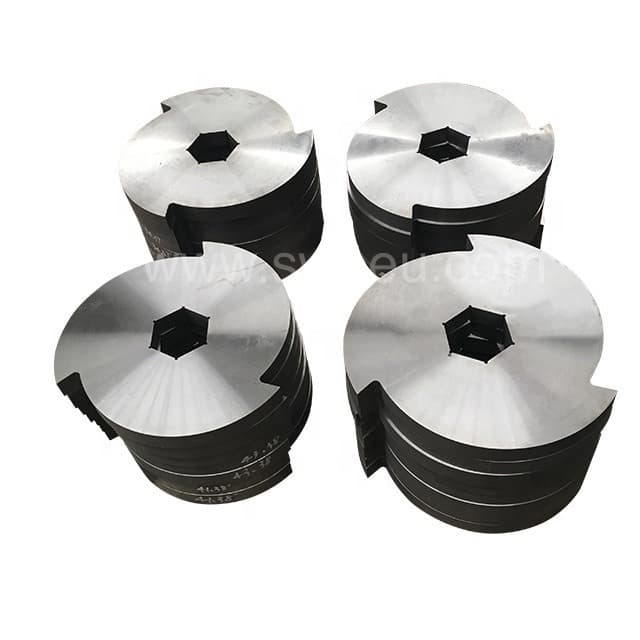
DSK-001
Rotor knife ng double-shaft
Kutsilyo ng double-shaft shredder para sa karaniwang gawain ng mga kutsilyo ng double-shaft shredder. Karaniwang materyal: SKD11 / D2 / Cr12MoV. Madalas na gamit: Mga double-shaft shredder / Pagpapaliit ng malalaking basurang plastik / Paunang pagproseso ng goma at gulong.
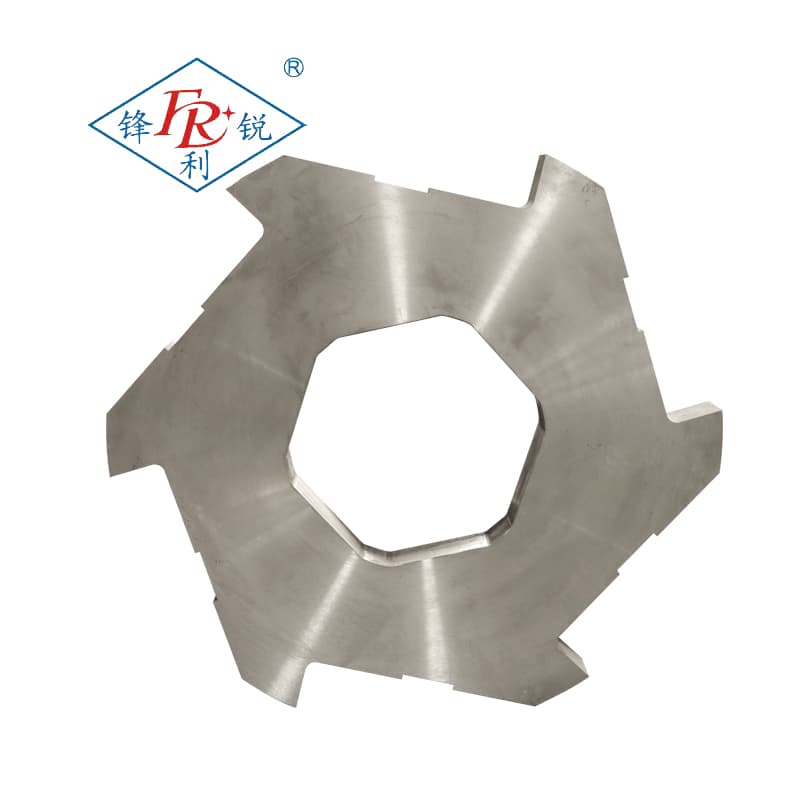
DSK-009
Kutsilyo ng double-shaft shredder
Kutsilyo ng double-shaft shredder para sa karaniwang gawain ng mga kutsilyo ng double-shaft shredder. Karaniwang materyal: D2 / alloy steel / H13 / SKD11. Madalas na gamit: Mga double-shaft shredder / Pagpapaliit ng malalaking basurang plastik / Paunang pagproseso ng goma at gulong.
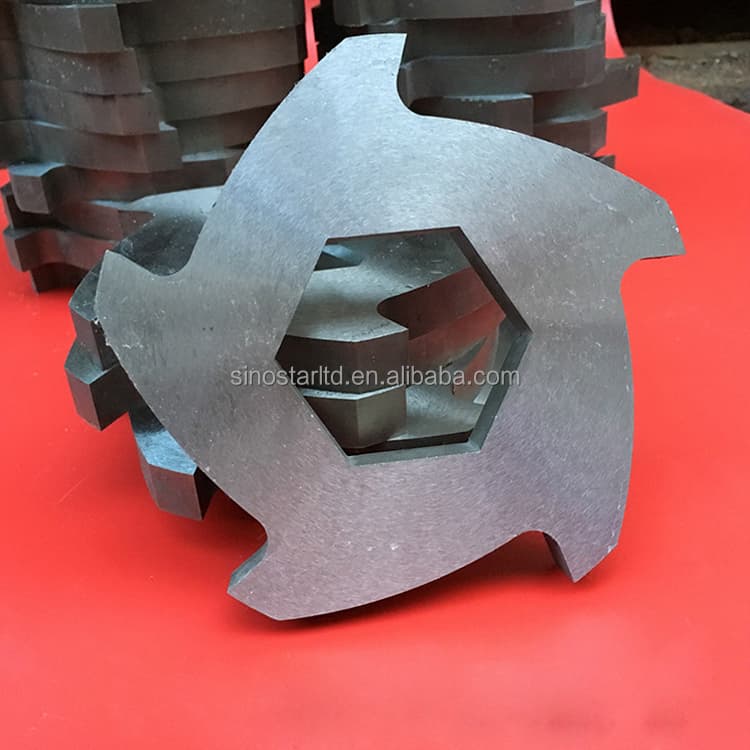
GSK-002
Kutsilyo ng shredder para sa gulong at goma
Pangkalahatang kutsilyo ng shredder para sa karaniwang gawain ng mga pangkalahatang kutsilyo ng shredder. Karaniwang materyal: SKD11 / Cr12MoV / 9CrSi. Madalas na gamit: Mga pangkalahatang linya ng recycle / Paggutay ng plastik at goma / Pagpapaliit ng halo-halong scrap.
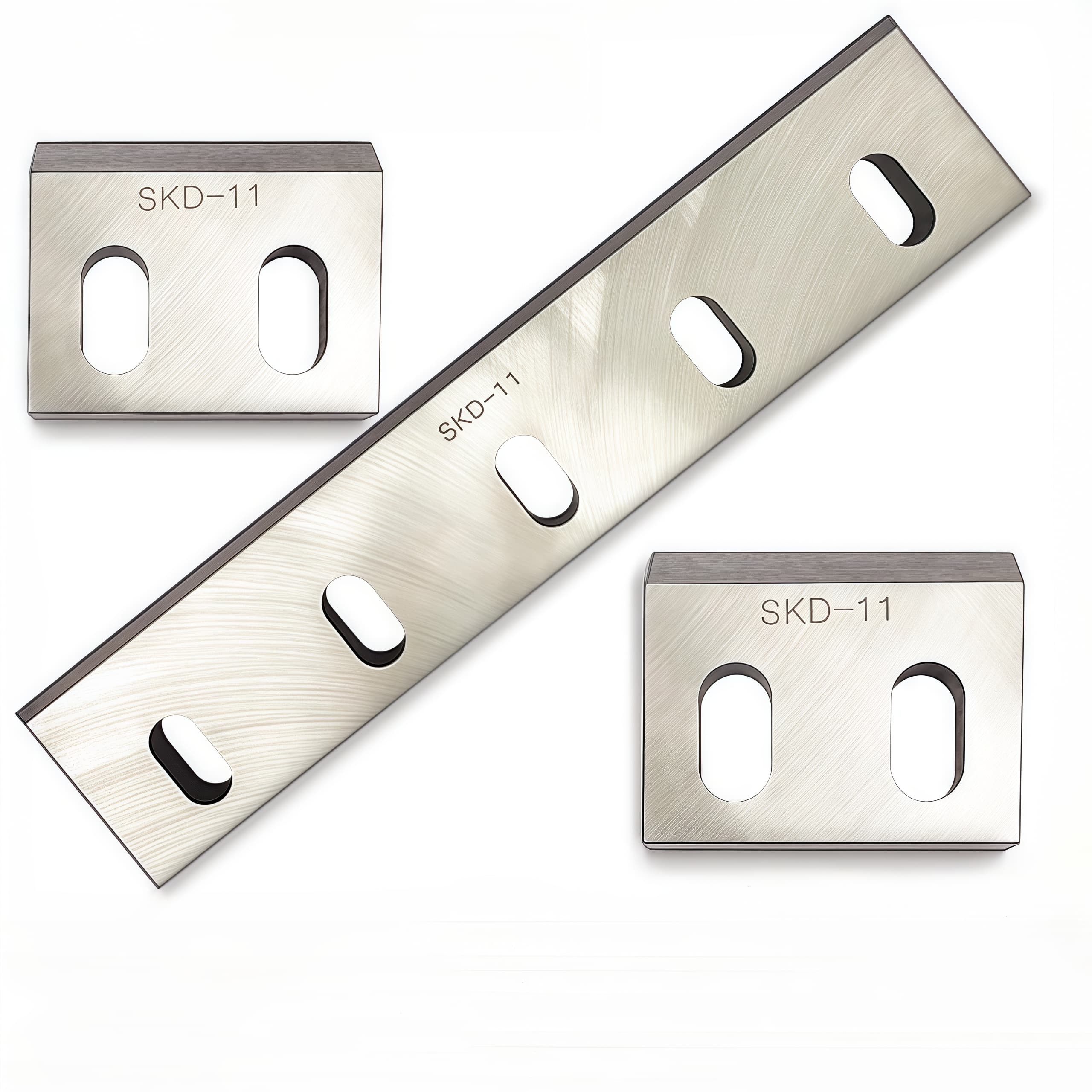
PGK-006
Kutsilyo sa pagputol ng granulator
Kutsilyo ng plastic granulator para sa karaniwang gawain ng mga kutsilyo ng plastic granulator. Karaniwang materyal: SKD11 / D2 / HSS / 9CrSi. Madalas na gamit: Mga linya ng granulation ng plastik / Pagputol ng film at woven bag / Pagbawi ng edge trim.
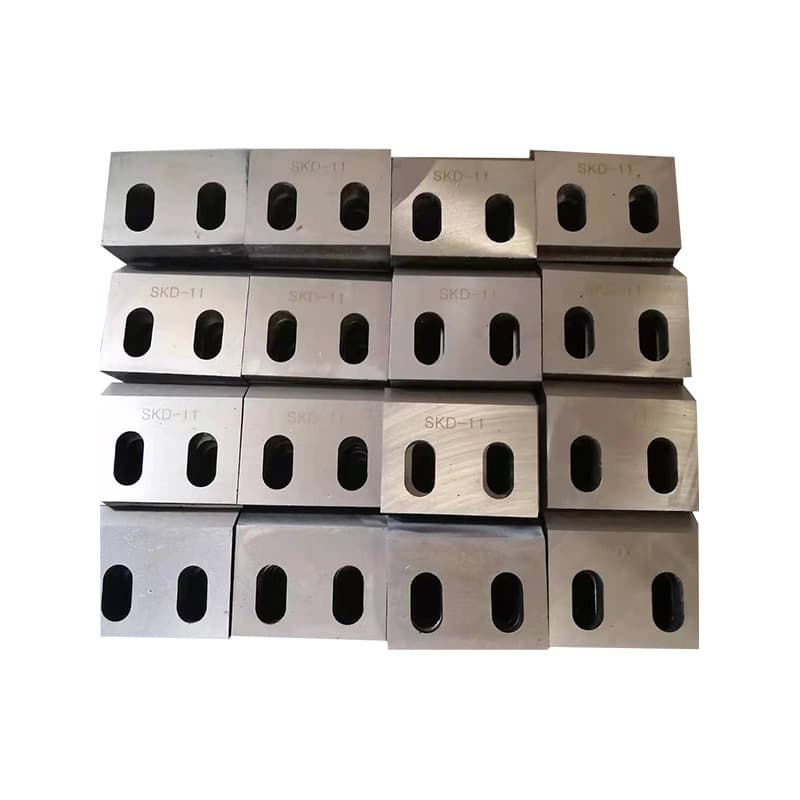
PGK-008
Kutsilyo sa pagputol ng granulator (SKD11)
Kutsilyo ng plastic granulator para sa karaniwang gawain ng mga kutsilyo ng plastic granulator. Karaniwang materyal: SKD11 / D2 / HSS / 9CrSi. Madalas na gamit: Mga linya ng granulation ng plastik / Pagputol ng film at woven bag / Pagbawi ng edge trim.
Mga kaugnay na kategorya
Mga kaugnay na artikulo
Gabay sa RFQ para sa Tire Shredder Knife: Ano ang Dapat Ipadala ng mga Mamimili Bago Mag-order ng mga Pamalit na Cutter
Isang gabay para sa mamimili na may suportang source para sa mga tire shredder knife, rasper-stage cutter, at downstream granulator knife: fit sa stage ng makina, mga target na output, at ang mga detalye ng RFQ na pumipigil sa paulit-ulit na pagkasira.
Basahin ang artikuloMaintenance tips para tumagal ang blade
Inspection, alignment at cleaning—granulators, crushers at shredders.
Basahin ang artikuloFAQ para sa mga kutsilyo ng tire recycling shredder at granulator
Dapat bang tukuyin ng RFQ ang eksaktong yugto ng makina?+
Kailangan bang banggitin ng mga mamimili ang target na laki ng chip o merkado ng output?+
Paano kung ang planta ay may mga pudpod na kutsilyo at mga larawan mula sa telepono lamang?+
Bakit maaaring bumaba ang itatagal ng kutsilyo kahit hindi nagbago ang grado ng bakal?+
Aling mga internal na pahina ang dapat ikumpara ng mga mamimili sa susunod?+
Mga pangunahing sanggunian na ginamit para sa gabay sa aplikasyong ito
Tinutukoy ng mga opisyal na sangguniang ito ang mga yugto ng pagproseso ng gulong, pag-size ng chip, paghihiwalay ng bakal, at tungkulin ng granulation. Gamitin ang mga ito upang iayon ang RFQ sa aktwal na yugto at merkado ng output.
USTMA
Scrap Tire Handbook on Recycling Applications and Management para sa U.S. at Mexico
Opisyal na handbook na nag-uugnay sa halaga ng naprosesong gulong sa laki ng shred, nominal na laki ng chip, at ruta ng end-use.
View sourceCM Shredders
Pangkalahatang-ideya ng Kumpanya
Opisyal na pangkalahatang-ideya na nagtatala ng patented na teknolohiya ng kutsilyo at mahigpit na tolerance ng kutsilyo-sa-kutsilyo na binuo para sa pagproseso ng gulong.
View sourceCM Shredders
TDF / Crumb Rubber Feed Stock / Aggregate Systems
Opisyal na pahina ng proseso na nagpapakita kung paano pinag-uugnay ang pag-shred, pag-screen, at pag-chip para sa mga output na nagmula sa gulong.
View sourceCM Shredders
CM VFG 1200 Fine Granulator
Opisyal na pahina ng granulator na nag-uugnay sa downstream performance sa disenyo ng kutsilyo, lohika ng screen, at access sa pagsasaayos.
View sourceELDAN Recycling
Super Chopper
Opisyal na dokumentasyon para sa heavy-duty pre-chopper na nagbibigay-diin sa adjustable knife clearance para sa optimized na pagputol.
View sourceELDAN Recycling
Multi Purpose Rasper
Opisyal na sanggunian para sa rasper na nagpoposisyon sa pagbabawas ng gulong at steel-cord bilang isang dedikadong heavy-duty stage.
View sourceELDAN Recycling
HDG240 Granulator
Opisyal na granulator sheet para sa kontroladong pagbabawas sa huling yugto para sa matitigas na materyales na nagmumula sa gulong.
View sourceKailangan ba ng mga pamalit na kutsilyo para sa linya ng pag-recycle ng gulong?
Ipadala ang stage ng makina, target na output, kasalukuyang sintomas, at mga larawan ng lumang kutsilyo. Susuriin namin kung ang pinakaligtas na paraan ay direktang pagpapalit, pagsusuri sa stage, o mas malawak na diskusyon tungkol sa line-fit.